
Article

Type 1 Diabetes

Type 2 Diabetes
Prediabetes
Gestational Diabetes
Medically reviewed by Dr Sultan Linjawi, Endocrinologist & Diabetes Specialist — January 2026
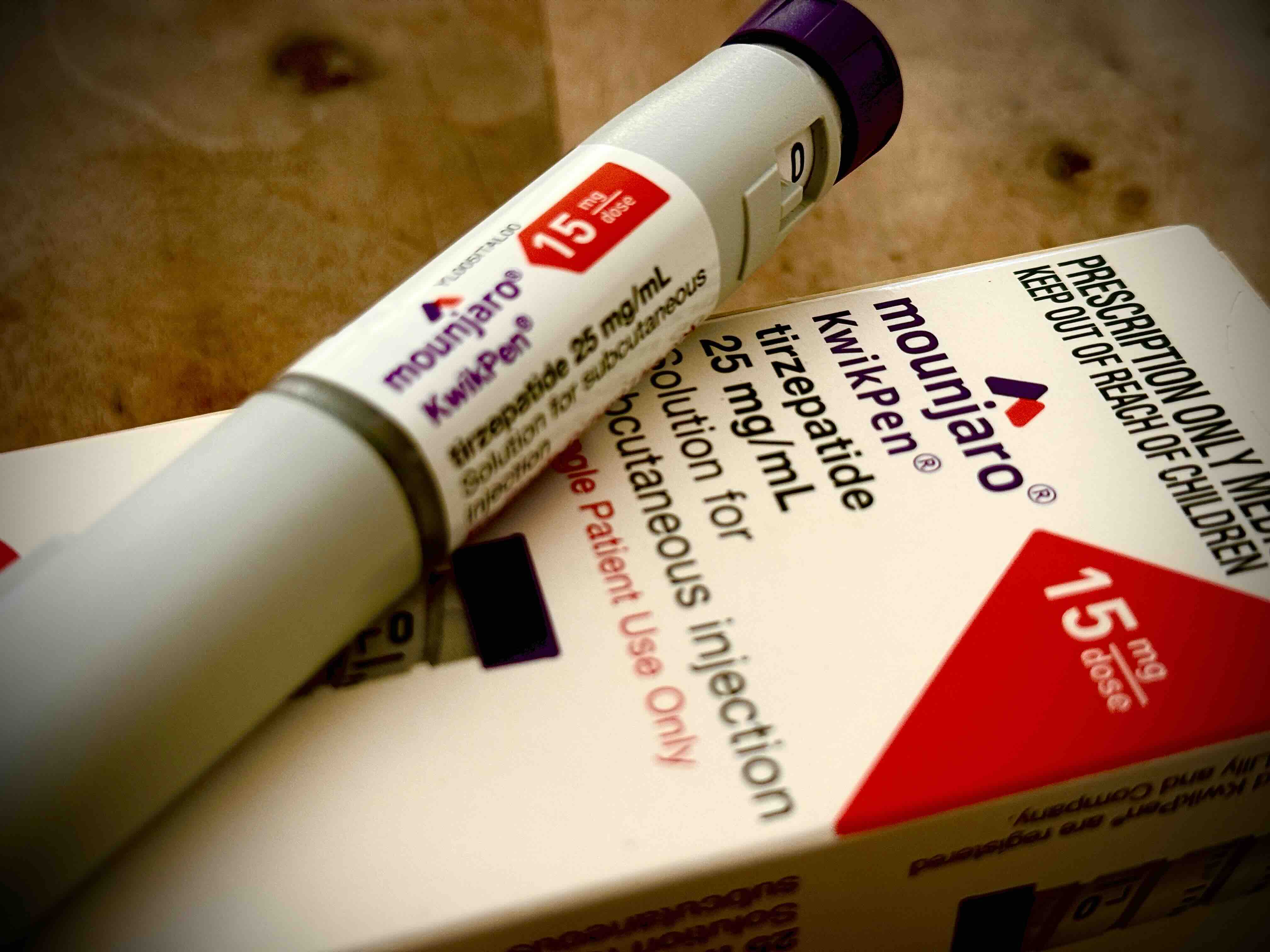
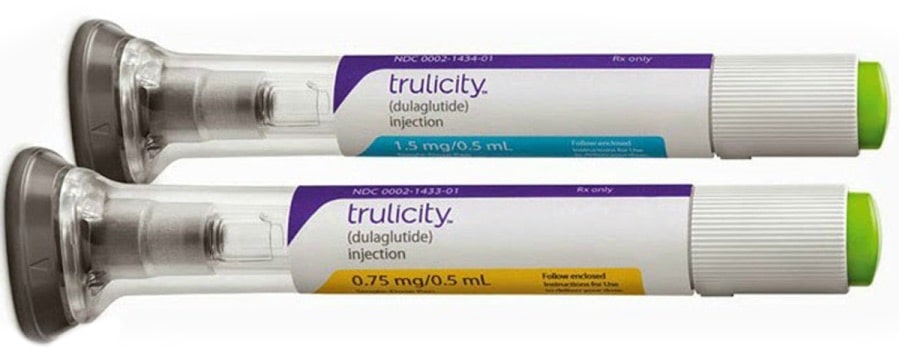
GLP-1 medications have become some of the most talked-about treatments in type 2 diabetes — and for good reason. These medicines can improve blood sugar control, support weight loss, and in some cases reduce the risk of heart attack and stroke. However, with so many names now in circulation — Ozempic, Trulicity, Mounjaro, Rybelsus, Victoza, Xultophy — it can be difficult to understand what they actually do and how they differ.
In this guide, I’ll explain GLP-1 medications in clear, practical terms: how they work, why they are prescribed, what benefits and risks matter most, and how the different options compare. This is written for people with type 2 diabetes (and those with prediabetes or insulin resistance) who want to understand their treatment options properly — without hype or confusion.
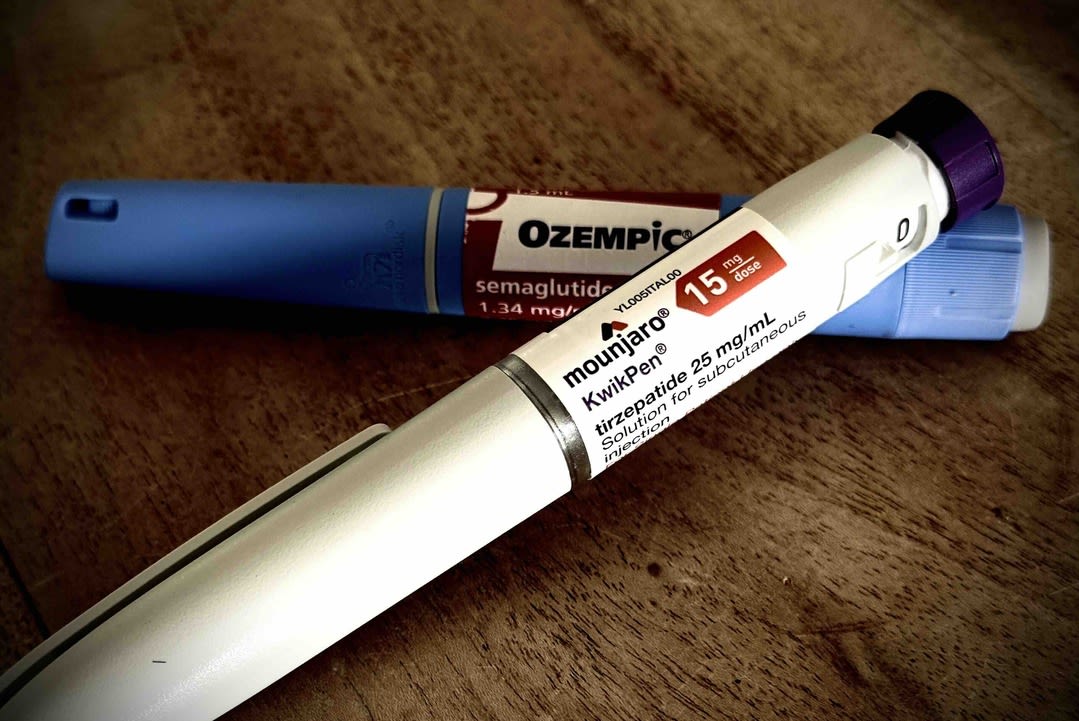
GLP-1 stands for glucagon-like peptide-1, a hormone that your body naturally releases from the gut after you eat. Its job is to help keep blood glucose levels within a healthy range.
GLP-1 medications mimic this natural hormone, but in a longer-acting and more reliable way. They work through several important mechanisms:
Because these effects depend on blood glucose levels, GLP-1 medications on their own carry a very low risk of causing low blood sugar (hypoglycaemia).
Type 2 diabetes is driven by a combination of insulin resistance, reduced insulin production over time, and excess glucose output from the liver. GLP-1 medications target several of these problems at once.
They are now commonly used when:
For many people, GLP-1 therapy can delay or reduce the need for insulin, or allow insulin doses to be kept lower and safer.
My Health Explained is designed to help you understand diabetes over time, not all at once. Most people arrive with one specific question, then build confidence as new questions come up.
This page covers one important part of that picture. You'll see links throughout to related topics that explain why things happen, what options exist, and what tends to help in real life.
If you'd like a broader overview first, start here: How is type 2 diabetes treated?.
If something here raises a question, follow the links that feel most relevant and ignore the rest for now. This resource is built to support learning at your own pace.
Want new articles and practical guides as we publish them? Subscribe to the newsletter.
These sections cover the main areas people with diabetes commonly ask about.
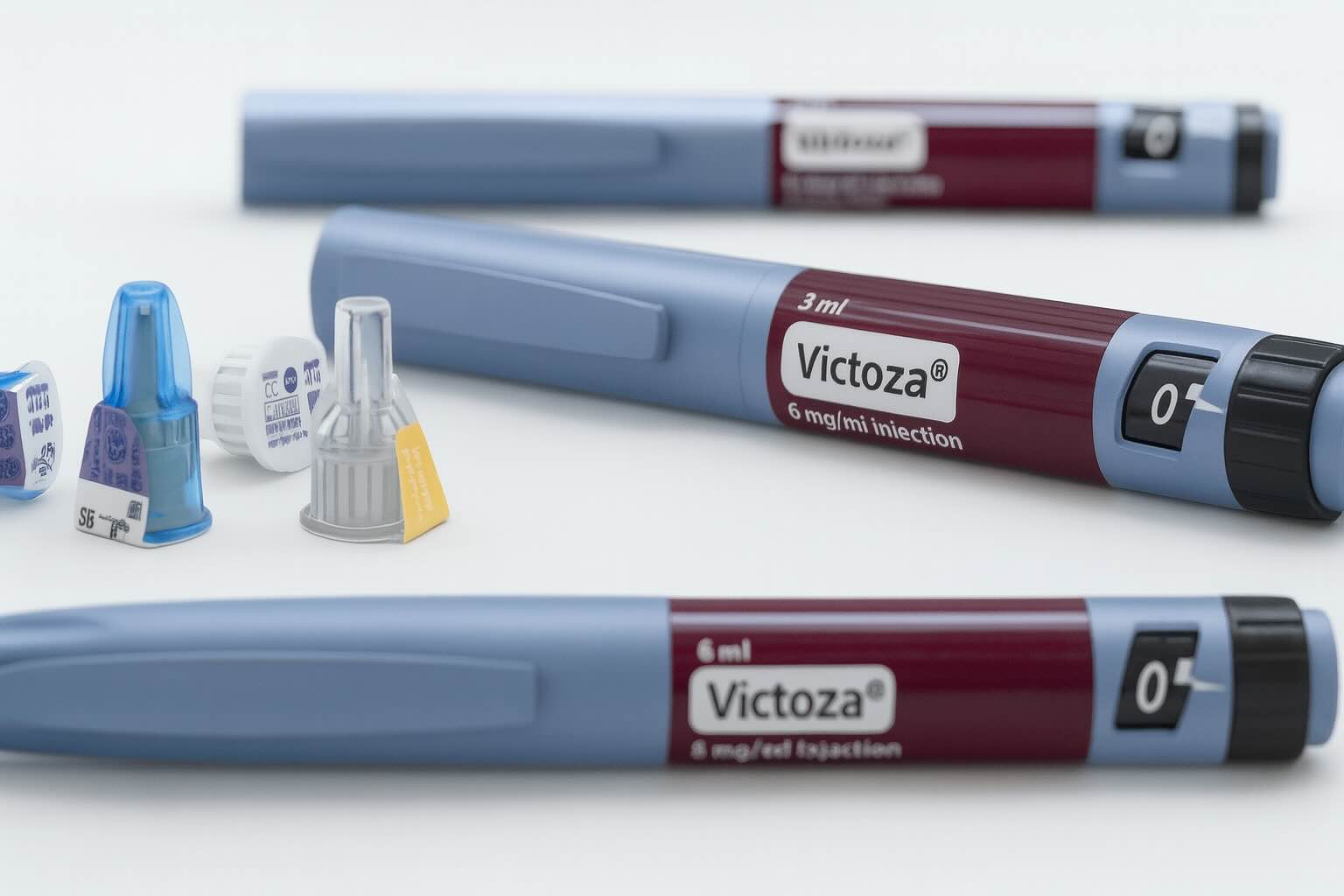
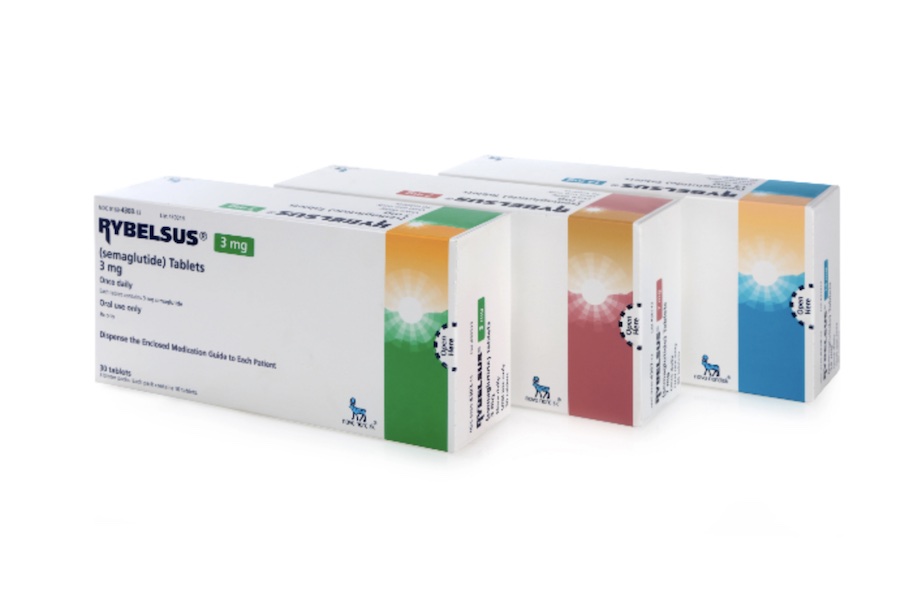
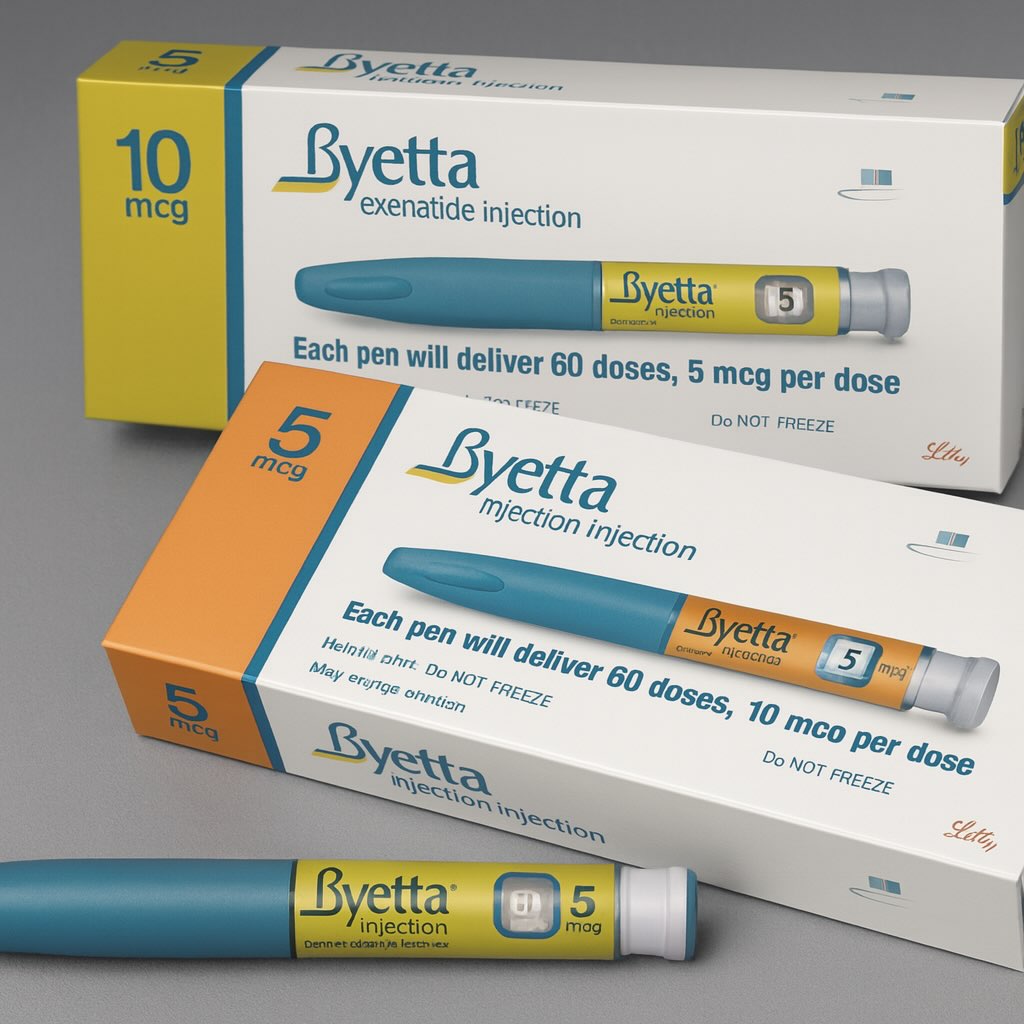
The benefits of GLP-1 medications go beyond simply “lowering sugar numbers”.
Improved HbA1c: GLP-1 drugs consistently reduce HbA1c — an important long-term marker of diabetes control — often by 1–1.5%, depending on the agent and dose.
Low hypoglycaemia risk: Because GLP-1 medications only stimulate insulin release when glucose levels are elevated, the risk of low blood sugar is low unless they are combined with insulin or sulfonylurea medications.
Weight reduction: Many people experience meaningful weight loss, largely due to reduced appetite and earlier satiety. This weight loss itself further improves insulin sensitivity and metabolic health.
Cardiovascular protection:
Some GLP-1 medications have been shown to reduce the risk of major cardiovascular events — such as heart attack, stroke, and cardiovascular death — in people with type 2 diabetes, particularly those with existing cardiovascular disease or multiple risk factors.
These benefits have been demonstrated in large, well-designed cardiovascular outcome trials, including:
These cardiovascular effects are a key reason why GLP-1–based therapies are now recommended earlier in the treatment pathway for people with type 2 diabetes who have established heart disease or are at high cardiovascular risk.
While GLP-1 medications were originally developed to treat type 2 diabetes, it has become clear that their effects on appetite regulation and satiety can lead to substantial weight loss — even in people who do not have diabetes.
GLP-1 hormones act on appetite centres in the brain and slow the rate at which food leaves the stomach. Together, these effects help people feel full sooner, stay full for longer, and reduce overall calorie intake without the constant sense of hunger that undermines many weight-loss attempts.
Because excess weight is closely linked to insulin resistance, fatty liver disease, sleep apnoea, cardiovascular disease, and progression to type 2 diabetes, weight loss achieved with GLP-1 therapy can have wide-ranging metabolic benefits — even before diabetes develops.
Some GLP-1–based medications are approved specifically for chronic weight management in people who do not have diabetes but meet certain weight or health criteria.
These medications are typically approved for adults with obesity, or for those who are overweight with additional health conditions such as high blood pressure, abnormal cholesterol, or sleep apnoea.
People without diabetes often experience slightly greater weight loss than those with type 2 diabetes. This is likely because insulin resistance, insulin use, and long-standing metabolic disease can blunt weight-loss responses.
That said, weight loss in people with diabetes is still clinically meaningful and often leads to:
GLP-1 medications are not cosmetic weight-loss drugs. They are prescription therapies intended for people with medical indications for weight reduction and should always be used as part of a structured, supervised plan.
Stopping GLP-1 therapy often leads to weight regain unless long-term lifestyle changes are maintained. For this reason, discussions around expectations, duration of therapy, and sustainability are essential before starting treatment.
GLP-1 therapies are available in several different forms:
While all GLP-1 medications work through similar mechanisms, they differ in strength, dosing frequency, weight loss effects, and side-effect profiles. Newer agents tend to produce greater glucose lowering and weight loss, but may also cause more gastrointestinal symptoms during dose escalation.
The most common side effects of GLP-1 medications are gastrointestinal and include nausea, vomiting, diarrhoea, constipation, and abdominal discomfort. These effects are usually dose-related and often improve over several weeks.
Rare but important considerations include pancreatitis and gallbladder disease. GLP-1 therapies are not recommended in people with a personal or family history of medullary thyroid cancer or Multiple Endocrine Neoplasia type 2 (MEN2).
GLP-1 therapies are approved for adults with type 2 diabetes and are not used in type 1 diabetes. They are also not recommended during pregnancy.
They are particularly useful for people who:
GLP-1 stands for glucagon-like peptide-1. It is a hormone released from the small intestine after eating and plays an important role in regulating blood glucose, insulin release, appetite, and digestion.
No. GLP-1 medications are not insulin. They are hormone-like drugs that help your own pancreas release insulin in a more natural, glucose-dependent way and also reduce excess sugar from the liver and help you feel full sooner. Some combination products, such as Xultophy, contain both a long-acting insulin and a GLP-1 in the same pen.
GLP-1 medications are not approved as a replacement for insulin in type 1 diabetes. In a few specialised situations a diabetes specialist may consider adding them to insulin in carefully selected people, but this is off-label and needs close monitoring. If you have type 1 diabetes, never stop or reduce your insulin on your own because you’ve started a GLP-1.
Many people do lose weight, but not everyone. Average weight loss in studies is helpful for understanding trends, but individuals vary. Some people lose a lot, some a little, and some not at all. Results tend to be better when the medication is combined with support for eating patterns, activity and sleep.
There is no fixed time limit. In trials and real-world experience, people have used GLP-1 medications safely for many years. In practice, we continue as long as the medicine is helping your glucose levels, weight and overall health, and as long as side effects are manageable and it remains affordable and available.
If you stop suddenly, it is common for appetite to increase again and, over time, for some or all of the lost weight to return, especially without a solid plan in place. Blood glucose levels usually drift back towards where they were before treatment. If you are considering stopping, talk with your doctor so that any insulin or tablets can be adjusted safely.
A GLP-1 can make it easier to eat less, but it doesn’t decide which foods you choose. You’ll get the best results if you use that “appetite window” to shift towards higher-fibre, lower-glycaemic-index foods, more vegetables and lean protein, and fewer sugary drinks and refined carbohydrates. This is something we cover in detail in our programs and webinars.
Moderate alcohol is usually allowed, but there are some cautions. Alcohol itself can cause low blood sugar when combined with insulin or sulfonylureas, and it can irritate the stomach and pancreas. If you drink, keep within recommended limits, avoid binge drinking and discuss your individual situation with your healthcare team.
Current human studies have not shown an increased overall cancer risk with GLP-1 medications. Because of rare thyroid tumours seen in animal studies, these drugs are avoided in people with a history of medullary thyroid carcinoma or MEN2. If you have concerns about cancer risk, talk them through with your doctor – it’s a very reasonable question to ask.
No. GLP-1 medications are not recommended in pregnancy or during breastfeeding. If you are planning a pregnancy, you’ll usually be advised to stop these medicines some time before conception and switch to treatments known to be safe in pregnancy, such as insulin. Always discuss pregnancy plans with your diabetes team before making any changes.
Unfortunately, supply and funding issues are common. If a GLP-1 is not available or not affordable for you, there are still many other effective tools for improving your diabetes control and weight. These include SGLT2 inhibitors, optimised insulin regimens, structured education programs and targeted lifestyle support. Your doctor can help you build a plan that works with the options you actually have.
FOLLOW US


