

Article

Type 1 Diabetes

Type 2 Diabetes
Prediabetes
Gestational Diabetes
Medically reviewed by Dr Sultan Linjawi, Endocrinologist & Diabetes Specialist — May 2026
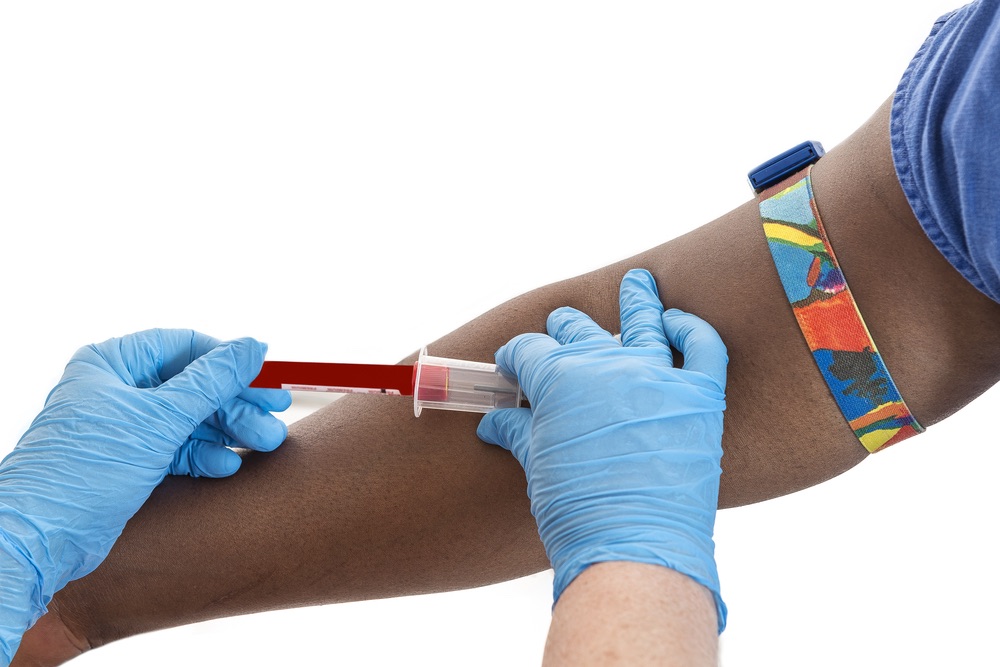
Type 2 diabetes is diagnosed using blood tests that show your glucose is in the diabetes range — most commonly an HbA1c, a fasting blood glucose, an oral glucose tolerance test (OGTT), or sometimes a random glucose when symptoms are present.
For many people, the diagnosis is picked up “by accident”. A routine blood test comes back a little high, or an HbA1c is added to a check-up and the result is above the diabetes range. If you know your HbA1c result, try our HbA1c tool to understand what it means in practical terms.
Why does early diagnosis matter? Because Type 2 diabetes affects blood vessels over time. Good glucose control reduces the risk of heart disease, stroke, kidney disease, eye disease and nerve damage — and early treatment is often simpler than late treatment.
If you’re here for a specific question, use this quick guide:
If you’d like the global context, see the WHO diabetes fact sheet and the International Diabetes Federation (IDF) Diabetes Atlas.
Type 2 diabetes can be present for a long time before symptoms appear. That’s why guidelines recommend screening people who are at higher risk — even if they feel well. The American Diabetes Association (ADA) recommends testing for diabetes in higher-risk groups such as:
If you’d like a quick, practical estimate of risk and what to do next, use our Diabetes Risk Calculator.
For an overview of screening and diagnostic tests written for patients, you can also read the CDC guide to diabetes tests. In the UK, the NHS diagnosis page is a clear reference point.
Most of the time, the diagnosis is straightforward: blood tests fall clearly into the Type 2 diabetes range, and the clinical picture fits. Often (though not always) Type 2 diabetes sits alongside insulin resistance — if that concept is new, you may find our insulin resistance guide helpful.
Where it becomes important to be careful is when results sit near the border, or the story doesn’t fit. In those situations, your doctor may:
A key point: Type 2 diabetes shouldn’t be diagnosed (or excluded) using only one imperfect snapshot. HbA1c is very useful, but it can miss some people — and it can be misleading in certain situations. That’s why combining tests can give a clearer answer.
If you want a deeper explanation, see: Why HbA1c shouldn’t be the only diagnostic test and our HbA1c units guide.
My Health Explained is designed to help you understand diabetes over time, not all at once. Most people arrive with one specific question, then build confidence as new questions come up.
This page covers one important part of that picture. You'll see links throughout to related topics that explain why things happen, what options exist, and what tends to help in real life.
If you'd like a broader overview first, start here: What is type 2 diabetes mellitus?.
If something here raises a question, follow the links that feel most relevant and ignore the rest for now. This resource is built to support learning at your own pace.
Want new articles and practical guides as we publish them? Subscribe to the newsletter.
These sections cover the main areas people with Type 2 diabetes commonly ask about.



Next time you are heading to the doctors for your appointment make sure you are ready to ask the questions to gently make sure nothing has been missed or overlooked with this helpful guide that we will send straight to your email inbox.
Type 2 diabetes is diagnosed using blood glucose tests that show your levels are consistently above the diabetes threshold. Depending on the test used, your doctor will usually confirm the diagnosis either by repeating the test on a separate day, or by using a second test method that also falls in the diabetes range.
| Test | mmol/L | mg/dL |
|---|---|---|
| HbA1c | ≥ 6.5% (48 mmol/mol) | |
| Fasting plasma glucose | ≥ 7.0 mmol/L | ≥ 126 mg/dL |
| 2-hour glucose (75 g oral glucose tolerance test) | ≥ 11.1 mmol/L | ≥ 200 mg/dL |
| Random plasma glucose + classic symptoms | ≥ 11.1 mmol/L | ≥ 200 mg/dL |
If your results are elevated but do not reach these thresholds, your doctor may describe this as “prediabetes” (also called impaired fasting glucose or impaired glucose tolerance). It’s not Type 2 diabetes yet — but it is a warning sign that risk is rising and you deserve a clear plan. If that’s where you are, see: What is prediabetes and does it matter?
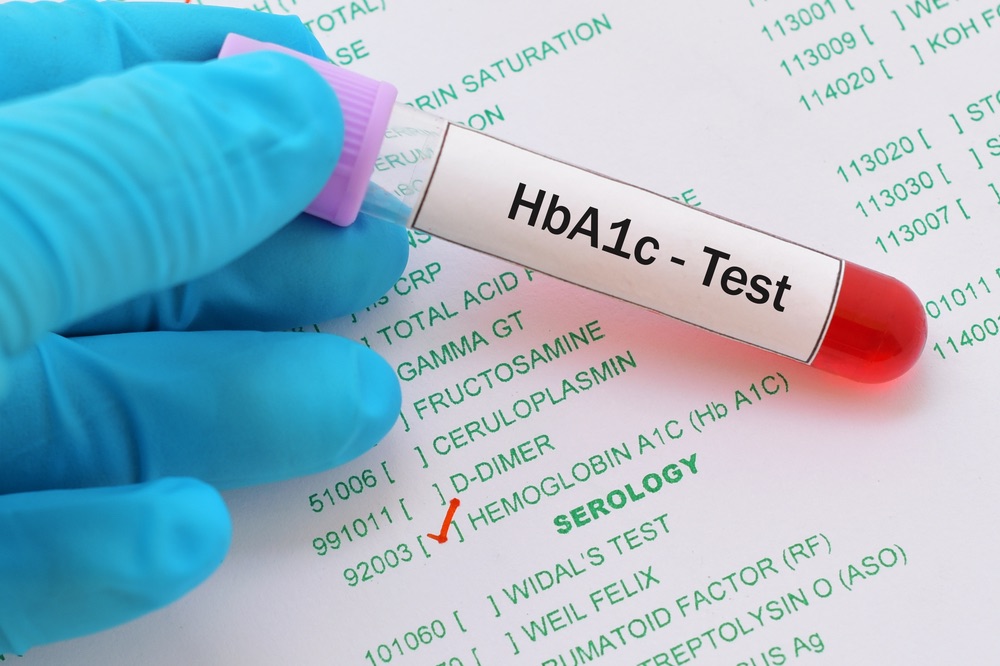
The HbA1c test estimates your average glucose over the previous 2–3 months. You don’t need to fast, which makes it convenient. An HbA1c of 6.5% (48 mmol/mol) or higher can indicate diabetes — usually confirmed with a repeat test or a second method if the result is near the threshold.
HbA1c can be less reliable in some situations (for example certain anaemias, recent blood loss, kidney disease, pregnancy, or conditions affecting red blood cells). That’s one reason we often combine it with fasting glucose or an oral glucose tolerance test when we want a clearer answer.
You can also use our HbA1c Converter & Target Tool to understand your result in context.
A fasting glucose test measures your blood sugar after an overnight fast. It’s a simple, widely used diagnostic test — and it’s often paired with HbA1c. A fasting glucose of 7.0 mmol/L (126 mg/dL) or higher, confirmed, is in the diabetes range.
In an OGTT, you fast overnight, have a fasting blood test, then drink a 75 g glucose drink. Your blood sugar is checked again two hours later. It can pick up diabetes that fasting glucose or HbA1c may miss in some people. A two-hour glucose of 11.1 mmol/L (200 mg/dL) or higher is diagnostic of diabetes.
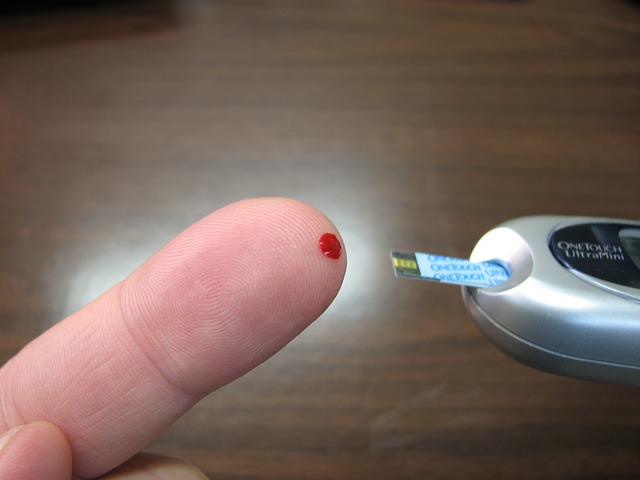
A random blood glucose test can be taken at any time. A result of 11.1 mmol/L (200 mg/dL) or higher can indicate diabetes — and it is most convincing when it is clearly high and you have symptoms such as thirst, frequent urination, weight loss or blurred vision. If you feel well and the number is borderline, doctors usually confirm it with fasting glucose, HbA1c or an OGTT.
Urine tests are not usually used to diagnose Type 2 diabetes. Sometimes glucose can spill into urine when blood sugars are very high, but urine testing is less precise than blood tests. If your doctor is concerned about Type 1 diabetes (especially rapid weight loss, ketones, or sudden severe symptoms), they may check urine or blood ketones urgently.
For formal guideline language on classification and diagnosis, you can also refer to the ADA Standards of Care (Diabetes Care journal).
If you’ve just been diagnosed, your next step is to turn the result into a clear plan — not panic and not denial. Start by confirming which tests were used (and whether anything needs repeating), then focus on the “big three” that change risk the most: glucose targets, weight/insulin resistance, and cardiovascular protection (blood pressure, cholesterol, smoking, sleep). Most people don’t need to do everything at once. You need the right first steps, done consistently. If you’d like a calm, specialist-led overview of what to prioritise and how treatment is tailored over time, you can join our free Type 2 Diabetes Masterclass.
If you have symptoms that worry you — or a result that is “borderline” and doesn’t match how you feel — it’s completely reasonable to ask for a clearer plan. Many people sit in a grey zone for years: not “terrible”, not “ideal”, and not sure what it means. Clarity matters, because clarity is what allows you to act calmly rather than react anxiously.
If you’ve been newly diagnosed with Type 2 diabetes — or you suspect your sugars are rising — it’s worth getting clear answers early. And if you’d like a calm, medically grounded explanation of how specialists think about targets, medications, and long-term risk, you can join our free online Type 2 Diabetes Masterclass.
FOLLOW US


