


Prediabetes Diet: What Should I Eat?
Medically reviewed by Dr Sultan Linjawi, Endocrinologist & Diabetes Specialist — January 2026
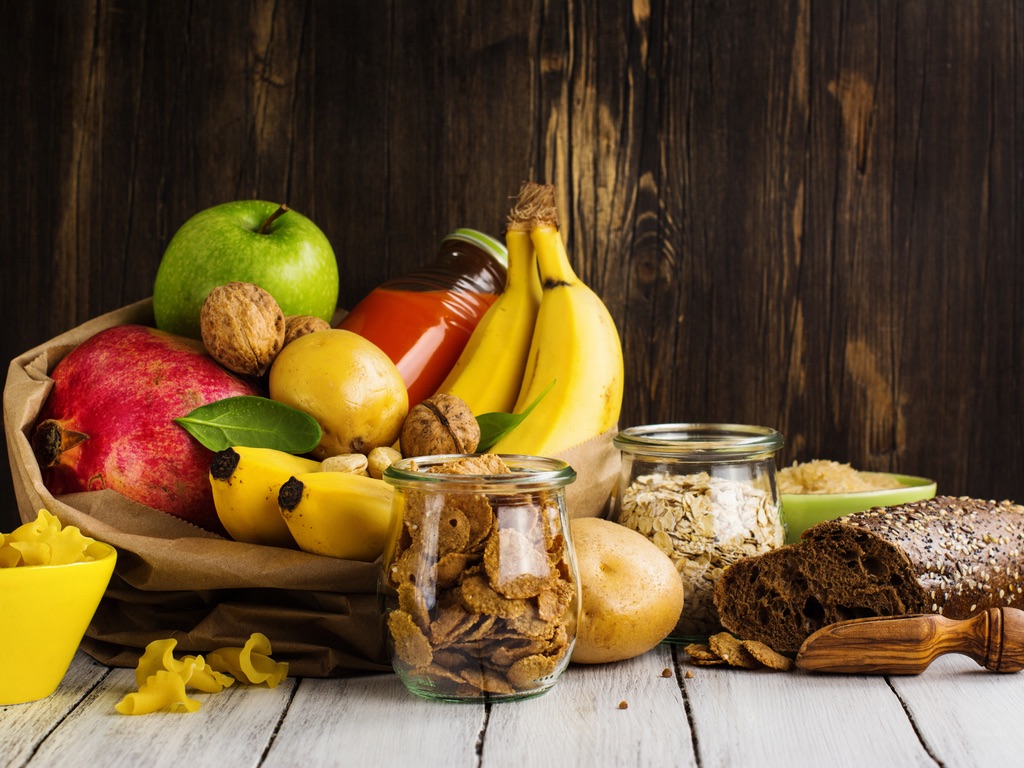
If you’ve been told you have prediabetes, it’s normal to wonder: “Do I need a special diabetes diet?” The good news is that you don’t need expensive products or complicated rules. A prediabetes-friendly way of eating is simply a healthy, sustainable pattern that improves insulin resistance and supports gradual weight loss where needed.
This guide explains how to build meals, spread your carbohydrates, manage portion sizes, and choose fats and fibre in a way that supports better blood glucose levels.
Why Diet Matters in Prediabetes
Food choices directly affect blood glucose, insulin levels, weight, and long-term risk of complications. Even small changes — like swapping sugary drinks for water, or adding an extra serving of vegetables — can shift your average glucose and insulin levels in the right direction.
Consistent eating patterns can:
- Reduce big spikes and crashes in blood glucose
- Support weight loss or weight maintenance
- Improve energy, concentration, and mood
To understand how prediabetes fits into the bigger picture of insulin resistance and type 2 diabetes, see: What is insulin resistance?
Eat Regular Meals and Spread Carbohydrates
Skipping meals often leads to overeating later, poor food choices, and wide swings in blood glucose. For most people with prediabetes it helps to:
- Eat regular meals (e.g. breakfast, lunch, dinner) and optional small snacks
- Spread carbohydrates throughout the day rather than having a very large load in one sitting
- Include some protein and healthy fats in each meal to help you feel full
If your doctor or dietitian has given you a carbohydrate allowance, you can divide this across your meals. For more detail, see: Carbohydrates and diabetes and How to reduce carbs in your diet.
Portion Size and Weight Management
Portion sizes have grown over the years, and this is closely linked to weight gain and rising rates of prediabetes. You don’t have to go hungry, but you may need to retrain what a “normal portion” looks like.
Practical tips:
- Use a slightly smaller plate
- Fill half your plate with vegetables or salad
- Serve a modest portion of carbohydrate (e.g. rice, pasta, potato) and avoid second helpings
- Batch-cook and portion out leftovers to avoid picking at the pot
- Turn off screens while eating — distracted eating leads to larger portions
Evidence suggests that structured portion control can improve blood glucose and support weight loss in people with prediabetes and type 2 diabetes.
Choosing Healthier Fats
All fats are high in energy, but the type of fat you choose also affects cholesterol and heart disease risk.
- Limit saturated fats – found in fatty meats, butter, cream, coconut oil, pastries, and many take-away foods
- Choose unsaturated fats – such as olive oil, canola oil, nuts, seeds, and avocado
People with prediabetes have a higher risk of cardiovascular disease, so improving fat quality is just as important as managing carbs.
Fibre, Wholegrains, and Low-GI Choices
Fibre helps slow down digestion and makes glucose rise more gradually. Aim to include:
- Wholegrain breads, cereals, and pastas
- Oats, barley, and bran
- Beans, lentils, and chickpeas
- Plenty of vegetables and whole fruits (rather than juices)
Fibre also helps with weight management and bowel health. You can learn more about low-carbohydrate and low-GI patterns here: Low carbohydrate foods
Alcohol and Weight Gain
Alcohol is high in kilojoules/calories and can disrupt sleep and appetite. For many people with prediabetes, reducing alcohol intake makes weight loss easier and improves glucose control.
Try to:
- Limit alcohol to within recommended guidelines
- Have several alcohol-free days each week
- Avoid binge drinking
For more on this topic: Alcohol and weight gain (video)
Putting It All Together
You don’t need to change everything at once. Choose one or two realistic goals, such as:
- Adding an extra serve of vegetables to dinner
- Swapping sugary drinks for water
- Using a smaller plate at main meals
Over time, these small shifts can lead to meaningful drops in blood glucose and weight.
Helpful next reads:
- Preventing prediabetes and borderline diabetes
- Why do we eat when we are not hungry?
- Yo-yo dieting: more serious than just regaining weight
Take the Next Step
If you’d like structured guidance, recipes, and evidence-based strategies to prevent diabetes, you can join the free online session:
If you are someone who has prediabetes, you may think that you should be following a special Diabetic Diet.
Not necessarily!
Why is diet important in diabetes?
There are many factors that can affect how well diabetes is controlled. Many of these factors relate to and are controlled by the person who has diabetes. These factors can include how much food and drink has been consumed, how frequently blood glucose levels are being monitored, exercise and physical activity levels, and consistency with taking any prescribed medications. Even small changes can influence and affect blood glucose control, for example exercising 3 days a week instead of 2 days.
PreDiabetes Content |
|---|
| PreDiabetes Program |
| Overview |
| Risk Factors |
| Symptoms |
| Diagnosis |
| Complications |
| Treatment |
| Diet |
| Monitoring |
| Tools |
| Mental Health |
| Prevention |
When it comes to food, eating a consistent amount of food every day and taking any medications as directed, can greatly improve blood glucose control. Doing this can help to keep blood glucose levels consistent, rather than having big highs and lows. Consistent blood glucose levels in the healthy range can reduce the risk of diabetes-related complications, including heart disease, kidney disease, and nerve damage. Eating regular meals can also help with weight loss!
If you’re struggling to stay motivated and want to learn more about what you can do to get on track with your diabetes management, you can join our personalised 12-week prediabetes program. There are so many great videos where Dr Sultan explains complex topics in simple terms that everyone can understand.
Eat regular meals
If you have prediabetes, it is important to have regular meals and snacks. If you skip any meals, your blood glucose levels can become low and you may experience the following:
- Binge eating episodes
- Fatigue and irritability
- Difficulty concentrating
It is also important that you spread your carbohydrates evenly throughout the day. If you do, it will ensure that your body is getting a steady supply of energy. Your doctor may have already recommended how many portions of carbohydrates you should have throughout the day. If this is the case, knowing your allowable carb portions each day can help you to spread evenly across the day. By doing so, you reduce the chance of your blood glucose levels going too low or too high.
You can learn more about carbohydrates from our article Carbohydrates and Diabetes or read how to reduce carbs in your diet if you need some easy and helpful tips.
Reduce your portion sizes
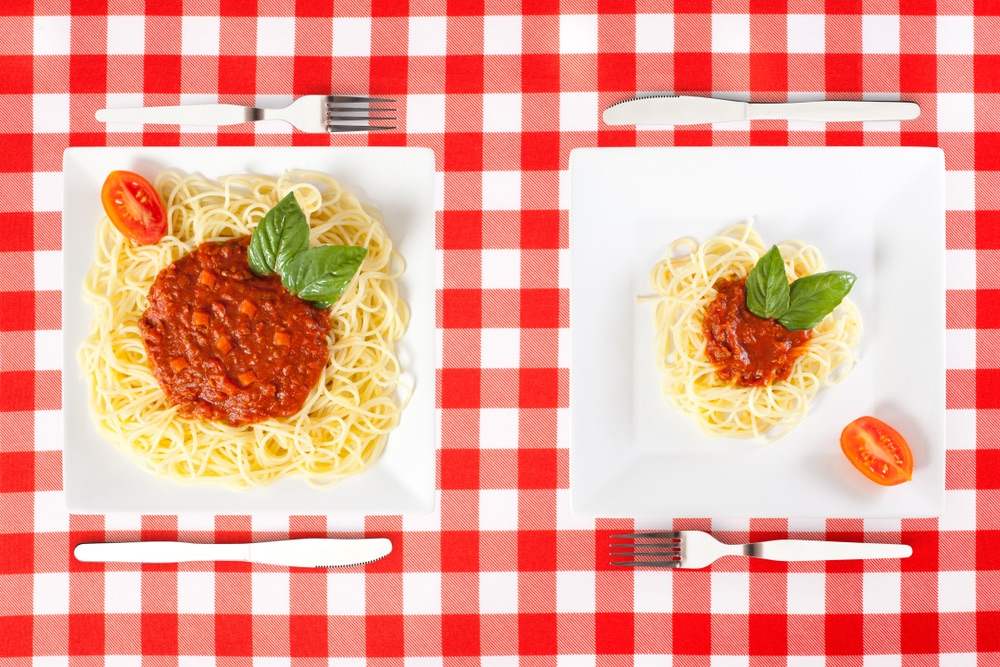
These days, people are eating bigger and bigger portion sizes. Coupled with a more sedentary lifestyle, it’s no wonder that obesity and other lifestyle related conditions are on the rise. The study Portion Control Plate for Weight Loss in Obese Patients With Type 2 Diabetes Mellitus has found that reducing the size of your meals has positive effects with blood glucose levels as well as assists in weight loss!
You might think, “but I’ll go hungry if I reduce my portion sizes too much!” I promise you; you will not go hungry!! Yes, it can be hard to make some changes to your portion sizes, but here are some tips of what you can do:
- Serve less – when serving your meal, put slightly less food on your plate than you normally would
- Use a smaller a plate – if you’re eating off of a smaller plate, your meals will look like it fills up more of the plate, so you won’t feel as though you’re necessarily missing out
- Make less – when preparing your meals, make less so you are less likely to add more food to your plate, or else portion out the excess into reusable containers for easy lunch options for the week ahead
- Avoid distractions while eating – if you can, sit and enjoy a meal with your friends or family as eating in front of a TV causes us to eat more!
- Eat more slowly – take time to feel full
Reduce foods that contain saturated fat
Firstly, let me be clear… all fats contain the same amount of calories so if you are after weight loss then swapping one type of fat for another makes little difference. Changing from butter to margarine won’t make you lose weight, but it will help greatly in other ways.
If you have diabetes you are at an increased risk of heart disease. Often people with diabetes also have high blood triglyceride levels, high blood pressure, and have clotting and circulation problems. These all explain why type 2 diabetes is associated with higher rates of heart attacks and strokes than the non-diabetic population.
Saturated fats are considered ‘bad’ fats and cause your ‘bad’ cholesterol to rise. This bad cholesterol is called low-density lipoprotein cholesterol or LDL cholesterol for short. LDL cholesterol is associated with heart disease. It can even contribute to the build-up of fatty deposits in your artery walls. This build up can disrupt how well your blood is able to flow because it narrows the space that the blood can flow through. The narrowing of your arteries can place additional pressure on your heart, making it work harder.
Saturated fat can be found in both animal foods and some vegetable fats. Animal products like fatty meat and dairy (milk, butter, cheese) all contain saturated fats.

Now, don’t go thinking that all veggies are bad. That is certainly not the case! But as mentioned, there are some vegetable fats that are high in saturated fats. Coconut is an example of this and is 90% saturated fats. Compare this to olive oil which is 15% saturated fat. Coconut products that contain a lot of saturated fats include coconut oil, milk, and cream.
Saturated fats are also found in foods like:
- Deep fried foods
- Fast food and take away food
- Meat pies
- Fatty meat and deli meat like salami or bacon
- Baked sweet foods like biscuits, pastries, and cakes
If you reduce your intake of saturated fats in an effort to reduce your risk of heart disease, your heart will thank you!
Go for the healthy fats instead
We still need some fat in our diets, as fat has a crucial role in our body. So not only is the amount of fat that we consume important, so is the type of fat (Prevention and Management of Type 2 Diabetes: Dietary Components and Nutritional Strategies).
You may have heard of the term ‘healthy fats.’ These healthy fats are monounsaturated and polyunsaturated fats. Unsaturated fats are able to assist in reducing your LDL cholesterol, with polyunsaturated fats able to do the job more effectively than monounsaturated fats.
Eating small amounts of mono- and polyunsaturated fats can help to ensure that our bodies are able to get the essential fatty acids and vitamins that it needs.
In cooking, you can substitute saturated fats for healthier fats such as using olive oil or grape seed oil instead of butter.
Sources of monounsaturated include:
- Olive oil and olives
- Canola oil
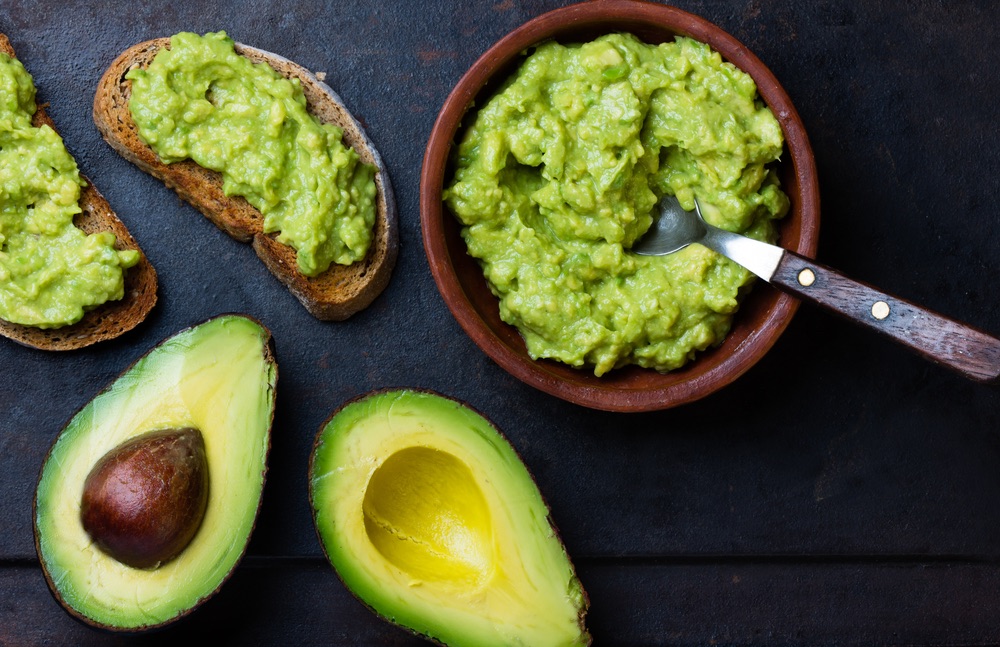
- Avocados
- Peanut oil and peanuts
Polyunsaturated fats are derived from the seeds of plants to then be made into oils. These plant seeds include:
- Grape
- Sunflower
- Soy beans
- Cottonseed
- Sesame
Increase your fibre intake
As well as being good for your bowels, a diet high in fibre can be beneficial with weight management. It is one of the easiest ways to improve your overall diet. Don’t forget the saying “an apple a day, keeps the doctor away!”
Fibre is a type of carbohydrate and can be divided into two categories: soluble and insoluble fibre. Soluble fibre is more important for diabetes management (High saturated-fat and low-fibre intake: a comparative analysis of nutrient intake in individuals with and without type 2 diabetes). Soluble fibre partially dissolves in water when it’s in the digestive tract, slowing the rate at which food is absorbed into the blood stream. This can cause blood glucose levels to rise more gradually and reduce the demand for insulin. Insoluble fibre does not dissolve in water and instead passes through the digestive tract. It’s important as it helps to provide bulk to our stools which can help to avoid constipation.
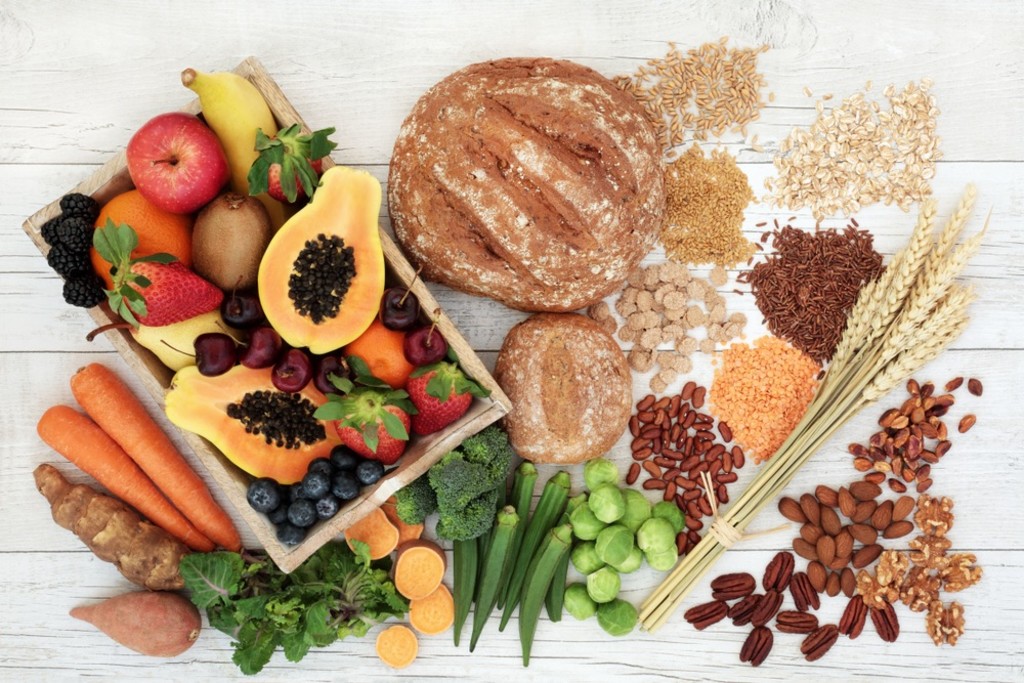
Examples of high fibre foods include:
- Soluble fibre: apples, oats, bran, prunes, and legumes
- Insoluble fibre: wholegrain breads, cereals, and pasta, cabbage, and carrots
A simple way you can incorporate fibre into your everyday, is by swapping white bread for whole meal bread and having a piece of fruit like an apple!
Drink alcohol in moderation
Drinking alcohol is common, especially when we are at a social engagement. If you are someone that drinks alcohol, you may need to limit your intake.
If you are trying to lose weight, your alcohol consumption may be getting in the way of your efforts. Alcohol offers little nutritional benefit and can also be high in energy! Also, alcohol is damaging to our bodies, for example our brain, liver, and pancreas. Excessive alcohol consumption is associated with an increased risk of certain types of cancers, including breast, colon, oral, and stomach cancers.
We should all limit our alcohol consumption to no more than two drinks per day. You might not realise that consuming four or more alcoholic beverages in a single occasion is actually considered binge drinking!
If you're overweight or obese, losing weight can make a huge difference
Having too much visceral fat (Visceral Fat Mass Has Stronger Associations with Diabetes and Prediabetes than Other Anthropometric Obesity Indicators among Korean Adults, Dysfunctional Adiposity and the Risk of Prediabetes and Type 2 Diabetes in Obese Adults), a type of fat that’s stored around our internal organs is associated with an increased risk of developing other health conditions, not just type 2 diabetes! This includes heart disease, heart attacks, stroke, and bowel cancer.
It is recommended that you lose your excess weight. Even if you lose a small amount of weight, it can help to improve your blood glucose levels.
One thing to be mindful of is if you lose weight, it is important not to regain it. If you are obese or overweight and have lost weight, you may have noticed how your blood glucose levels and insulin levels have decreased. Well done! The problem is that if you regain some of or all of the weight you initially lost, your blood glucose and insulin levels can rise again, putting you back at risk of developing diabetes.
You can check your BMI (body mass index) using the BMI tool below. If you want more information about why your BMI is important, you can learn more from the BMI Calculator page.
The bottom line
Yes, this may all seem complicated and like you have to remember a million little things. Over time, you will be able to get the hang of everything and be a pro at managing your diabetes, it will just take a little bit of planning and understanding at the start.
Also, you have control over your diet. Don’t view your diabetes as a death sentence, instead use it as a motivator to lead a healthier lifestyle and avoid any complications for the future. It really goes to show how a few simple changes can make such a positive impact on your health and your quality of life in the future.
If you would like to be a part of a supportive program, with easy to understand video content covering all aspects of diabetes, join our personalised 12-week diabetes program. The program is personalised, giving you more of the content that you want to see. When you sign up, you receive the first week free!
If you want to learn more about diabetes, we have dedicated information pages.
Keep learning
- Is Fruit Juice Good for You If You Have Diabetes or Prediabetes?
- Best Fruit Choices If You Have Diabetes
- Is Fruit Juice Good for You If You Have Diabetes or Prediabetes?
- What Is Insulin Resistance? A Simple Guide to How It Works and Why It Matters
- What is carbohydrate counting and what is a carbohydrate portion?
- Victoza (Liraglutide) - the first GLP-1 analogue that started it all


