


Having a hypo is a great way to end up with very high sugars. Let me explain why that needs to be avoided.
Medically reviewed by Dr Sultan Linjawi, Endocrinologist & Diabetes Specialist — January 2026
Find the Right Program for You
Select the situation that best describes you



What to do when you've had a hypo
Beware anybody that stands in the way of you and the refrigerator when you’re having a hypo (when your blood glucose levels fall below 4 mmol/L or 72mg/dL). While it’s tempting to eat the entire contents of the fridge, the ‘hypo’ hangover where you feel terrible for hours and struggle to recover, is a less than desirable outcome.
And while the best way to manage a hypo is to prevent one happening in the first place, preparing for a hypo with suitable options is the next best thing. As soon as your BGLs drop below 4mmol/L (72mg/dL), you need to act, as an untreated hypo can turn into a medical emergency very quickly. If you wear a pump it’s important to suspend insulin delivery until your BGLs are safe again.
No matter what type of insulin you take, treatment for a hypo is the same.
Step One: Rapidly absorbable carbs
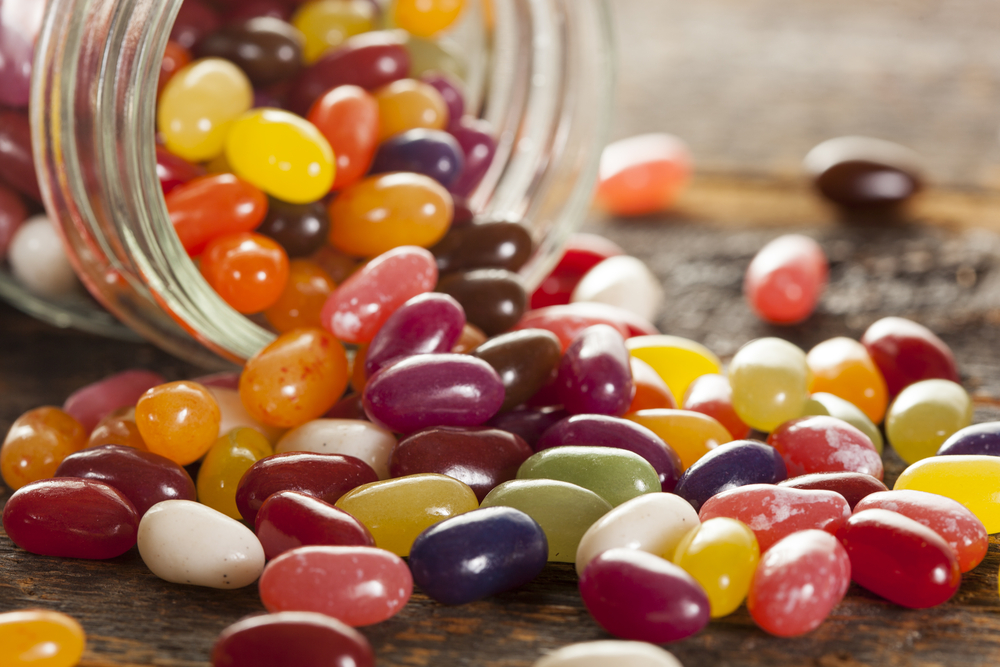
You’ll need around 15g of fast acting, rapidly absorbable carbohydrate when you first go low – think sugar – the sweet stuff.
- 6-7 jelly beans or other small sweets
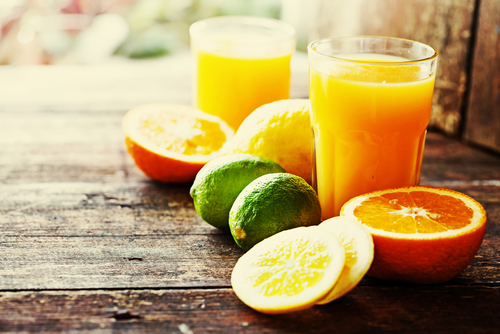
- ½ glass of juice
- ½ glass of non-diet, sugary soft drink
- Commercially available hypo treatments are also an option.
Check BGLs 10-15mins after and not before. No matter how much you eat, it will still take at least 10 minutes to start to show a rise in blood glucose levels. If still below 4mmol/L (72mg/dL) you should have another 15g of carbs. Continue to repeat this until BGLs rise above 4mmol/L.
Step Two: Longer acting carbs
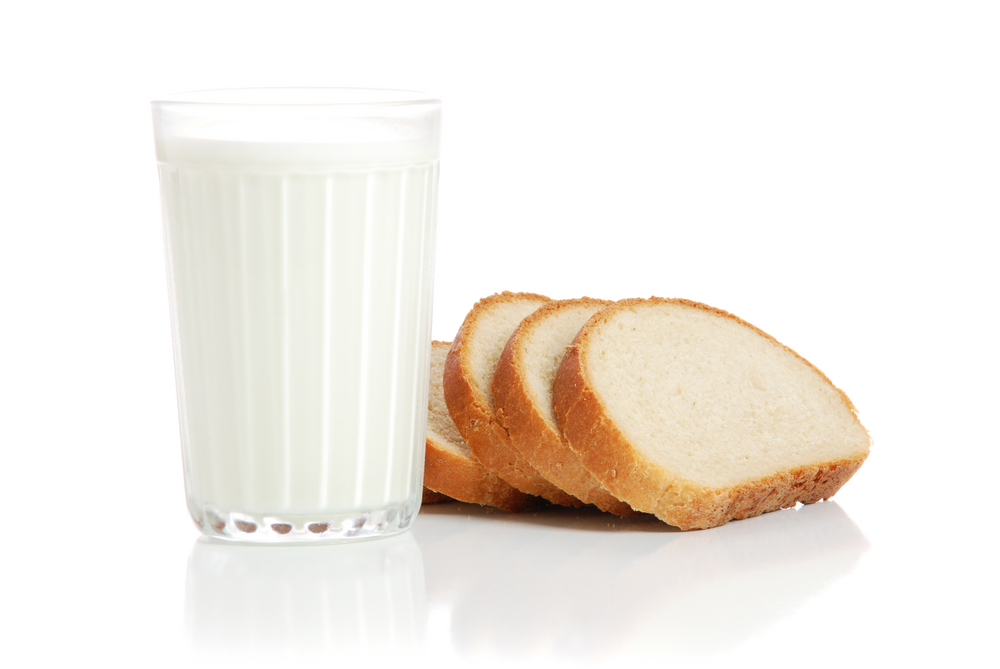
Once BGLs rise above 4mmol/L (72mg/dL) you should follow up your hypo treatment with a slowly absorbed carbohydrate, this will help to sustain your BGLs over the next few hours. Long acting carbohydrates are absorbed more slowly - a slice of bread, glass of milk or small piece of fruit and yoghurt are all suitable options.
Avoid the ‘over-shoot’
Remember, portion size is key to avoid sending BGLs sky-high, so try and have own your hypo kit packed into easily accessible portions, of around 30g of carbohydrate. You also need them in lots of places like your bag, next to your bed or in the car. This might look like 5-6 lollies and a juice popper/mini soft drink can.
Looking for diabetes and diet videos?
Check out our latest diabetes videos for more great content.



Have an emergency plan
Having a plan in place means you are less likely to get into trouble, but it’s good to let family and co-workers know if you appear drowsy, confused or lose consciousness then they need to call for emergency assistance quickly if they don’t know what to do.
Make sure they understand: NEVER TO GIVE YOU INSULIN!
Ask your diabetes team whether having glucagon on hand as an injection into the muscle in cases of an emergency is a good idea.
To the point
- Remember the main problem with a hypo is not knowing and the more you have, the more likely it is that your body will cease to warn you that your sugars are going low.
- Always try not to overcorrect and go too high as this may necessitate more insulin and increase the chance of another hypo later on.
- Have a hypo kit ready to make it more likely that you won’t over eat if your sugars are low.
Please see the following articles for more information:
- Where Do You Keep Your Insulin?
- How Insulin Pumps are Thinking More Like a Pancreas… Introducing low glucose suspend.
- Continuous Glucose Monitoring: Offering support 24/7
- Flash Glucose Monitoring: Managing blood sugar levels
- Should I follow a low carb diet if I have diabetes?
- Is fruit juice good for you if you have diabetes or prediabetes?
Keep learning
- Is Fruit Juice Good for You If You Have Diabetes or Prediabetes?
- Best Fruit Choices If You Have Diabetes
- Is Fruit Juice Good for You If You Have Diabetes or Prediabetes?
- What Is Insulin Resistance? A Simple Guide to How It Works and Why It Matters
- What is carbohydrate counting and what is a carbohydrate portion?
- What can I eat if I have type 2 diabetes mellitus? Is there a diabetes friendly diet?
FOLLOW US


