Article

Type 1 Diabetes

Type 2 Diabetes
Prediabetes
Gestational Diabetes
Medically reviewed by Dr Sultan Linjawi, Endocrinologist & Diabetes Specialist — January 2026
Prediabetes might not cause obvious symptoms, but it is not harmless. When blood glucose levels stay above normal for years, damage can begin to build up in blood vessels and organs — even before type 2 diabetes is formally diagnosed.
This article explains what can happen if prediabetes is left untreated, the types of complications to be aware of, and how early action can dramatically reduce your risk.
People with ongoing high blood glucose levels have a higher risk of:
Some of these risks start to rise even when glucose levels are only in the prediabetes range. The good news is that early diagnosis and effective treatment can substantially reduce these risks.
Prediabetes often occurs as part of metabolic syndrome: a cluster of conditions that includes:
People with metabolic syndrome are more likely to develop type 2 diabetes and cardiovascular disease. You can learn more about your overall risk using the Diabetes Risk Calculator.
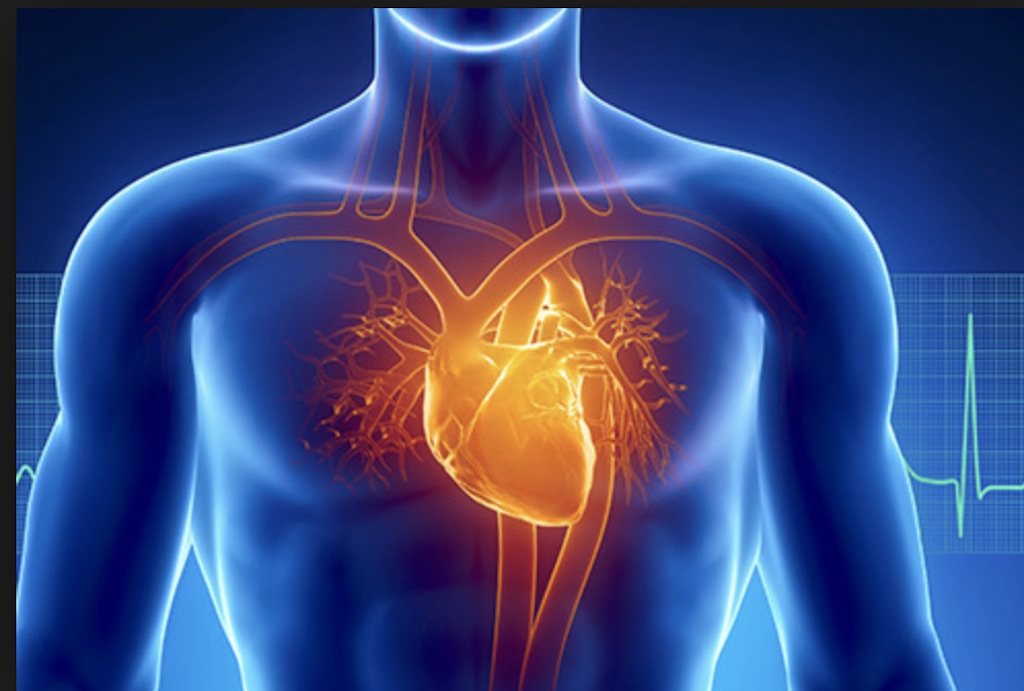
Macrovascular disease affects the larger blood vessels supplying the heart, brain, and legs.
Fatty deposits (atherosclerosis) can build up in coronary arteries, narrowing them and increasing the risk of heart attacks. People with prediabetes and diabetes have a higher risk of:
Similar fatty deposits can affect the arteries supplying the brain. If a vessel becomes blocked or ruptures, a stroke can occur. Remember the FAST warning signs:
Poor circulation in the legs can cause pain when walking (claudication), slow healing, and in severe cases, ulcers and amputation.
My Health Explained is designed to help you understand diabetes over time, not all at once. Most people arrive with one specific question, then build confidence as new questions come up.
This page covers one important part of that picture. You'll see links throughout to related topics that explain why things happen, what options exist, and what tends to help in real life.
If you'd like a broader overview first, start here: What is prediabetes or borderline diabetes and does it matter?.
If something here raises a question, follow the links that feel most relevant and ignore the rest for now. This resource is built to support learning at your own pace.
Want new articles and practical guides as we publish them? Subscribe to the newsletter.
These sections cover the main areas people with prediabetes commonly ask about.
Microvascular damage affects small blood vessels supplying the eyes, kidneys, and nerves. These complications are more strongly associated with type 2 diabetes, but risk begins to rise in prediabetes, especially when other risk factors are present.
High glucose can damage the tiny blood vessels at the back of the eye (retina), leading to bleeding, scarring, and vision loss if left untreated.
Kidneys filter waste products from the blood. Damage to kidney blood vessels can eventually lead to protein leakage in the urine and, in severe cases, kidney failure.
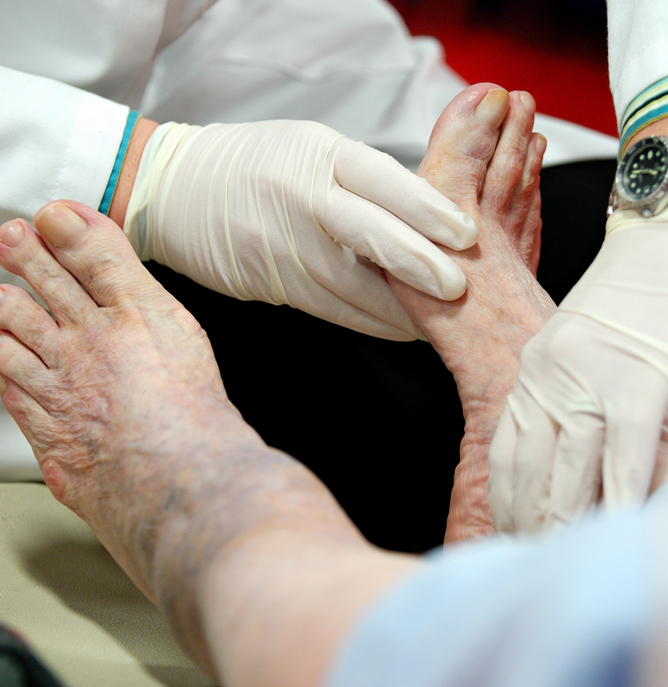
Nerve damage can cause numbness, burning, tingling, or pain — particularly in the feet. Loss of sensation increases the risk of unnoticed injuries and ulcers.
Prediabetes is also linked with:
You can read more about the emotional impact here: Prediabetes and mental health
Yes. The earlier you act, the more you can reduce your risk. Key steps include:
For more detail, see: Preventing prediabetes and borderline diabetes
If you have prediabetes, talk with your doctor about:
To understand how prediabetes, insulin resistance, and complications fit together — and what you can do about it — you can join the free, doctor-led webinar:
FOLLOW US