


How Is Prediabetes Monitored?
Medically reviewed by Dr Sultan Linjawi, Endocrinologist & Diabetes Specialist — September 2026
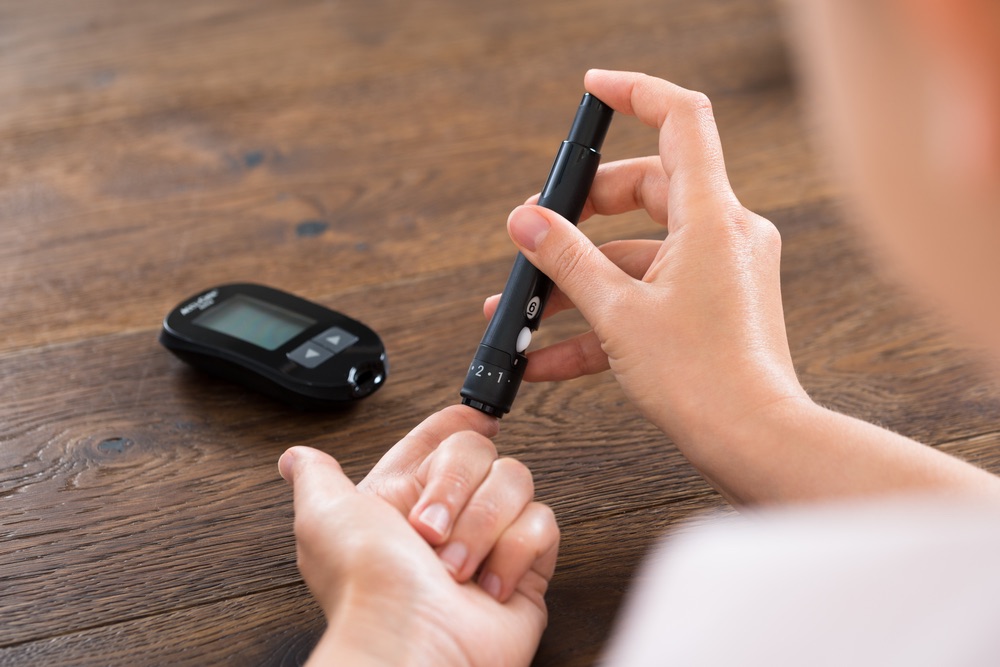
Once you’ve been told you have prediabetes, a natural question is: “How do we keep an eye on this?” Monitoring is about much more than just numbers. It’s about tracking trends, catching problems early, and making sure your efforts are working.
This article explains how prediabetes is monitored over time — including blood tests, when home glucose monitoring might be used, checks for complications, and when to review your plan with your healthcare team.
Why Is Monitoring Important in Prediabetes?
Monitoring helps you and your doctor to:
- See whether your blood glucose levels are improving, stable, or worsening
- Adjust lifestyle and treatment plans when needed
- Identify when you may be moving towards type 2 diabetes
- Pick up other risk factors such as high blood pressure or abnormal cholesterol early
Think of monitoring as feedback. It tells you whether the changes you are making are paying off.
Regular Laboratory Tests
Most people with prediabetes will have blood tests done at least once a year, and sometimes more often, including:
- HbA1c – shows your average blood glucose over ~3 months
- Fasting glucose – monitors your overnight sugar level
- Occasional oral glucose tolerance test (OGTT) – sometimes repeated if results are borderline
- Lipid profile – checks cholesterol and triglycerides
- Kidney function and urine tests – especially if blood pressure or other risk factors are present
Blood tests are usually organised by your GP or specialist. You can learn more about HbA1c here: HbA1c units – what’s the difference?
Do I Need to Check My Blood Glucose at Home?
Not everyone with prediabetes needs a home glucose meter. Your doctor may suggest home monitoring if:
- Your levels are very close to the diabetes range
- You are taking medications that can affect blood glucose (for example, steroids)
- You have symptoms suggestive of highs or lows
- You’re using data to guide specific lifestyle experiments (e.g. how certain meals or exercise affect you)
How to Check with a Finger-Prick Meter
General steps:
- Wash and dry your hands thoroughly
- Insert a new lancet into the device
- Insert a test strip into the meter
- Prick the side of your fingertip and apply a drop of blood to the strip
- Wait a few seconds for your reading
- Dispose safely of the lancet in a sharps container
If you’re unsure whether home monitoring is necessary for you, discuss it with your doctor or diabetes educator.
For people already diagnosed with diabetes, there is a separate guide: Type 2 diabetes monitoring
Monitoring for Complications and Cardiovascular Risk
Although full-blown diabetes complications usually develop later, prediabetes is often associated with other problems such as high blood pressure, abnormal cholesterol, fatty liver, and sleep apnoea. Your healthcare team may also monitor:
- Blood pressure – at each visit
- Cholesterol and triglycerides – regularly
- Weight and waist circumference
- Liver function tests if fatty liver is suspected
- Symptoms of sleep apnoea (snoring, daytime sleepiness)
These checks are important because cardiovascular disease (heart attack and stroke) risk begins to rise during the prediabetes stage.
Self-Checks You Can Do at Home
You can also monitor your health between appointments by keeping an eye on:
- Weight and waist size – small downward trends are encouraging
- Energy levels and fatigue
- Sleep quality
- Changes in vision (blurred or fluctuating vision should be reported)
- Foot health – skin changes, cracks, or infections
If you’re experiencing persistent fatigue, it may be related to blood glucose or other medical issues. You can read more here: Why do I feel so tired with prediabetes?
What Should You Do Next?
If you have prediabetes, ask your doctor to agree on a simple monitoring plan with you — how often to check bloods, what targets to aim for, and when to review progress.
Helpful next articles:
- Complications of prediabetes if it’s left untreated
- Preventing prediabetes and borderline diabetes
- Prediabetes and mental health
Use Tools to Track Risk Over Time
You can use the following tools to support your monitoring:
For a clear, step-by-step explanation of what your results mean and how to act on them, you can join the free webinar:
More from this topic
- What Is Insulin Resistance? (Video Explanation)
- Is Fruit Juice Good for You If You Have Diabetes or Prediabetes?
- Is Fruit Juice Good for You If You Have Diabetes or Prediabetes?
- What Is Insulin Resistance? A Simple Guide to How It Works and Why It Matters
- Victoza (Liraglutide) - the first GLP-1 analogue that started it all
- How Is Insulin Resistance Tested? A Complete Guide


