


Mounjaro (tirzepatide): Dual-Action Diabetes and Weight-Loss Medication Explained
Medically reviewed by Dr Sultan Linjawi, Endocrinologist & Diabetes Specialist — January 2026
What is Mounjaro (tirzepatide)?
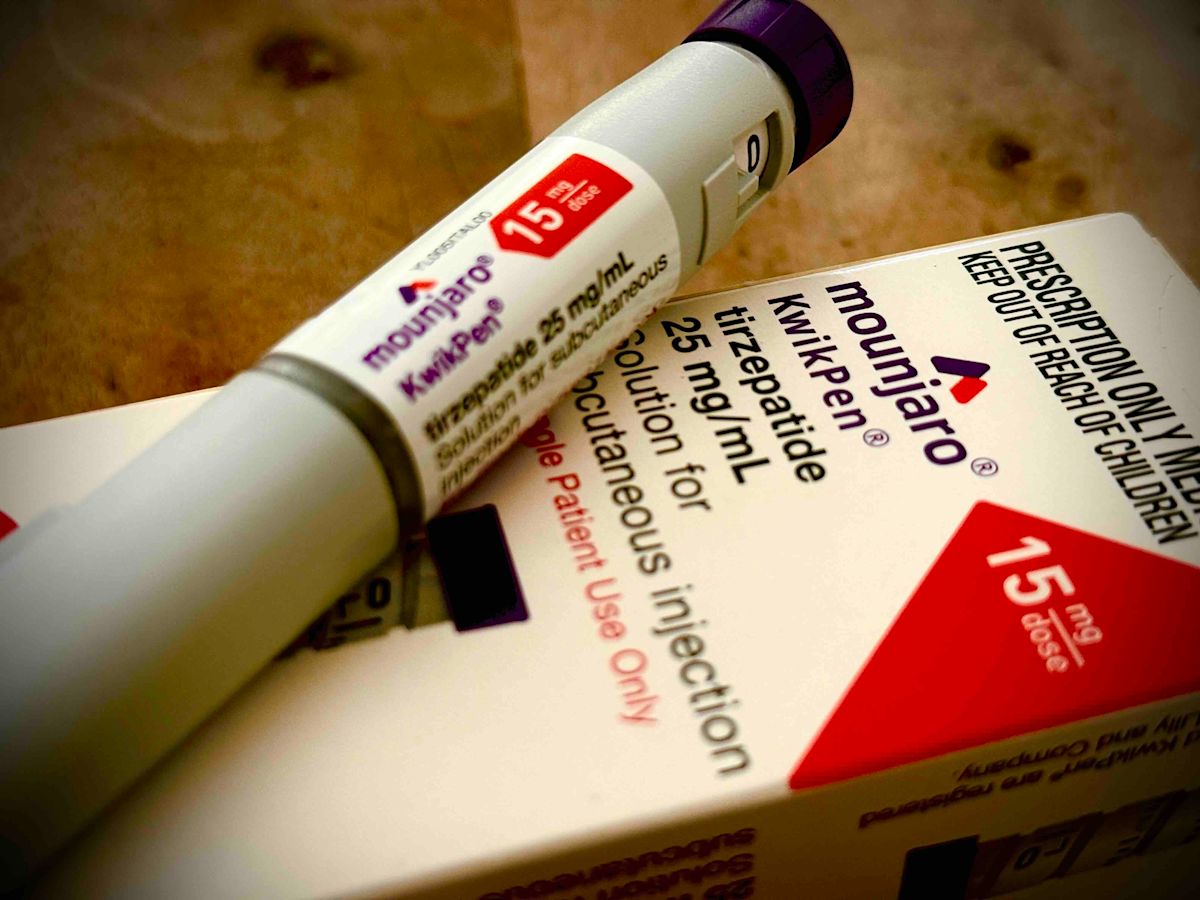
Mounjaro is a once-weekly injectable medication used to treat type 2 diabetes. Its active ingredient, tirzepatide, is unique because it targets two gut hormones involved in glucose and appetite regulation: GLP-1 (glucagon-like peptide-1) and GIP (glucose-dependent insulinotropic polypeptide).
Because of this dual action, Mounjaro is often described as a “dual incretin” therapy. This differentiates it from traditional GLP-1 medications such as Ozempic (semaglutide) and Victoza (liraglutide), which act on GLP-1 alone.
How does Tirzepatide work in the body?
After eating, your gut naturally releases GLP-1 and GIP to help manage rising blood glucose levels. In people with type 2 diabetes, this system does not work effectively. Tirzepatide mimics both hormones in a longer-acting, more powerful way.
Together, these actions:
- Increase insulin release only when blood glucose is elevated
- Reduce excess glucose production by the liver
- Slow stomach emptying, limiting post-meal glucose spikes
- Act on appetite centres in the brain, increasing fullness and reducing hunger
Because insulin release is glucose-dependent, Mounjaro on its own has a low risk of causing hypoglycaemia (low blood sugar), unless combined with insulin or sulfonylurea medications.
Benefits of Mounjaro in type 2 diabetes
Mounjaro has demonstrated some of the most powerful glucose-lowering effects seen in modern diabetes treatment. In clinical trials, many people achieved HbA1c levels close to — or even within — the non-diabetes range.
Improved HbA1c: Across the SURPASS clinical trial program, tirzepatide reduced HbA1c by approximately 1.8–2.4%, depending on dose and background therapy. This level of improvement is substantially greater than that seen with many older agents, including earlier incretin therapies such as exenatide-based treatments.
Low hypoglycaemia risk: Because Mounjaro enhances insulin release only when glucose levels are high, the risk of hypoglycaemia is low unless it is used alongside insulin or sulfonylureas (such as gliclazide or glibenclamide).
Mounjaro and weight loss
One of the most noticeable effects of Mounjaro is its impact on weight. Many people experience substantial weight loss, driven by reduced appetite, earlier satiety, and lower overall calorie intake.
In trials, average weight loss ranged from approximately 7–12 kg in people with type 2 diabetes, with greater losses seen at higher doses. Weight loss is often more pronounced than with GLP-1–only medications such as Ozempic or Trulicity.
Weight loss itself improves insulin resistance, blood pressure, fatty liver disease, and cardiovascular risk — meaning the benefits of Mounjaro extend well beyond glucose numbers alone.
Mounjaro and cardiovascular outcomes
Cardiovascular safety and protection are especially important when choosing glucose-lowering therapies for people with type 2 diabetes, many of whom already have established heart disease or multiple cardiovascular risk factors.
The cardiovascular effects of tirzepatide were evaluated in the large SURPASS-CVOT trial, which compared tirzepatide directly with dulaglutide (Trulicity) — a GLP-1 medication already proven to reduce cardiovascular events.
SURPASS-CVOT included adults with type 2 diabetes and established atherosclerotic cardiovascular disease and examined the time to first major adverse cardiovascular event (MACE), defined as cardiovascular death, heart attack, or stroke.
The key findings were:
- Tirzepatide met the primary goal of cardiovascular non-inferiority, confirming it is at least as safe for the heart as dulaglutide
- It did not quite meet statistical superiority over dulaglutide for MACE, although results trended in favour of tirzepatide
- Tirzepatide produced significantly greater reductions in HbA1c and body weight than dulaglutide
Importantly, because SURPASS-CVOT used an active comparator with established cardiovascular benefit rather than a placebo, demonstrating superiority was inherently more difficult than in earlier placebo-controlled GLP-1 outcome trials.
Exploratory analyses also suggested potential benefits for all-cause mortality and kidney outcomes, particularly when tirzepatide was compared indirectly with historical placebo data. These findings are hypothesis-generating and continue to be studied.
Taken together, the available evidence supports Mounjaro as a cardiovascularly safe option for people with type 2 diabetes and established heart disease, offering powerful glucose lowering and weight reduction while matching the cardiovascular protection seen with established GLP-1 therapies.
You can read the full trial announcement and summary here: Lilly press release: SURPASS-CVOT cardiovascular outcomes for tirzepatide
How is Mounjaro taken?
Mounjaro is injected once weekly using a pre-filled pen. It can be taken at any time of day, with or without food, and should be administered on the same day each week.
Treatment usually starts at a low dose to minimise gastrointestinal side effects, with gradual dose increases over time. This slow titration is important for tolerability and long-term success.
Side effects and safety considerations
The most common side effects of Mounjaro are gastrointestinal and include nausea, vomiting, diarrhoea, constipation, and abdominal discomfort. These effects are usually dose-related and often improve after the first few weeks.
Less common but important considerations include gallbladder disease and pancreatitis. Like other incretin-based therapies, tirzepatide is not recommended in people with a personal or family history of medullary thyroid cancer or Multiple Endocrine Neoplasia type 2 (MEN2).
Who is Mounjaro suitable for?
Mounjaro is approved for adults with type 2 diabetes. It is not used in type 1 diabetes unless the use is for weightloss and appetite suppression. Is not recommended at pregnancy conception, during pregnancy or breastfeeding.
It may be particularly helpful for people who:
- Have type 2 diabetes with excess weight or insulin resistance
- Have inadequate control on metformin or other oral therapies
- Want to minimise hypoglycaemia risk
- Wish to delay or reduce insulin requirements
As with all diabetes therapies, Mounjaro works best when combined with sustainable changes in eating patterns, activity, sleep, and long-term support — themes we explore in depth across our education programs and webinars.
Frequently Asked Questions
Is Mounjaro the same as Ozempic?
No. While both are once-weekly injections, Ozempic acts on GLP-1 alone, whereas Mounjaro targets both GLP-1 and GIP. This dual action is thought to explain Mounjaro’s stronger glucose-lowering and weight-loss effects.
Can Mounjaro be used for weight loss without diabetes?
Tirzepatide is approved for type 2 diabetes. A higher-dose formulation for weight management is marketed separately as Zepbound in some regions. Use for weight loss should always be medically supervised.
Will I need insulin if I start Mounjaro?
Many people are able to delay or avoid insulin when using Mounjaro. If insulin is needed, doses are often lower and safer.
How long can I stay on Mounjaro?
There is no fixed time limit. Treatment is usually continued as long as it remains effective, well tolerated, and accessible.
What happens if I stop Mounjaro?
Appetite often increases again, and blood glucose levels may rise over time. Weight regain is common without a long-term plan in place, which is why ongoing support is important.


