

Article

Type 1 Diabetes

Type 2 Diabetes
Prediabetes
Gestational Diabetes
Medically reviewed by Dr Sultan Linjawi, Endocrinologist & Diabetes Specialist — January 2026
For many people living with prediabetes or type 2 diabetes, weight loss can feel far harder than it “should” be.
Weight-loss medications are prescribed treatments that help reduce hunger, increase fullness, and improve the body’s weight regulation signals — making it more realistic to sustain the lifestyle changes needed for long-term metabolic health.
This is not a lack of effort or willpower. It reflects real biology — including insulin resistance, altered appetite hormones, and the body’s natural tendency to defend weight. In the right person, medication support can reduce glucose levels, lower insulin requirements, and decrease long-term cardiovascular risk.
If you’re here for a specific question, use this quick guide:
Medications work best when they support — not replace — lifestyle, habits, and long-term follow-up. This page explains how to think about them safely and realistically.
Diet, physical activity, sleep, and stress management are always the foundation of weight management in diabetes. But for many people, these alone do not lead to meaningful or sustained weight loss.
This is because insulin resistance changes how the body stores fat, how hungry you feel, and how strongly the brain resists weight loss. The body may respond to calorie reduction by:
Weight-loss medications work by addressing these biological barriers — making it possible for lifestyle strategies to actually succeed, rather than constantly fighting against physiology.
Several medication classes are used to support weight loss in people with prediabetes and type 2 diabetes. Each works in a different way and suits different clinical situations.
Metformin improves insulin sensitivity, reduces the amount of glucose released by the liver, and can modestly reduce appetite.
It is often the first medication used in type 2 diabetes and is sometimes used in prediabetes when insulin resistance is significant.
GLP-1 medications work through gut–brain pathways to:
These medications can lead to substantial and sustained weight loss when used appropriately and monitored carefully.
In people already using insulin or other diabetes medications, treatment plans may need adjustment during weight loss to avoid hypoglycaemia and unintended weight gain.
My Health Explained is designed to help you understand diabetes over time, not all at once. Most people arrive with one specific question, then build confidence as new questions come up.
This page covers one important part of that picture. You'll see links throughout to related topics that explain why things happen, what options exist, and what tends to help in real life.
If you'd like a broader overview first, start here: How is type 2 diabetes treated?.
If something here raises a question, follow the links that feel most relevant and ignore the rest for now. This resource is built to support learning at your own pace.
Want new articles and practical guides as we publish them? Subscribe to the newsletter.
These sections cover the main areas people with diabetes commonly ask about.

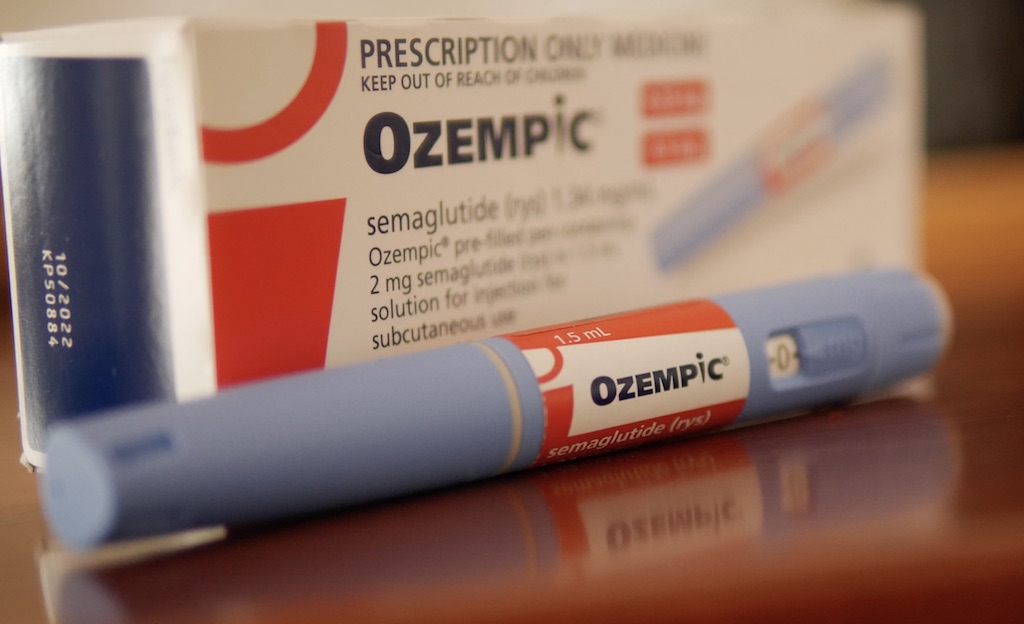
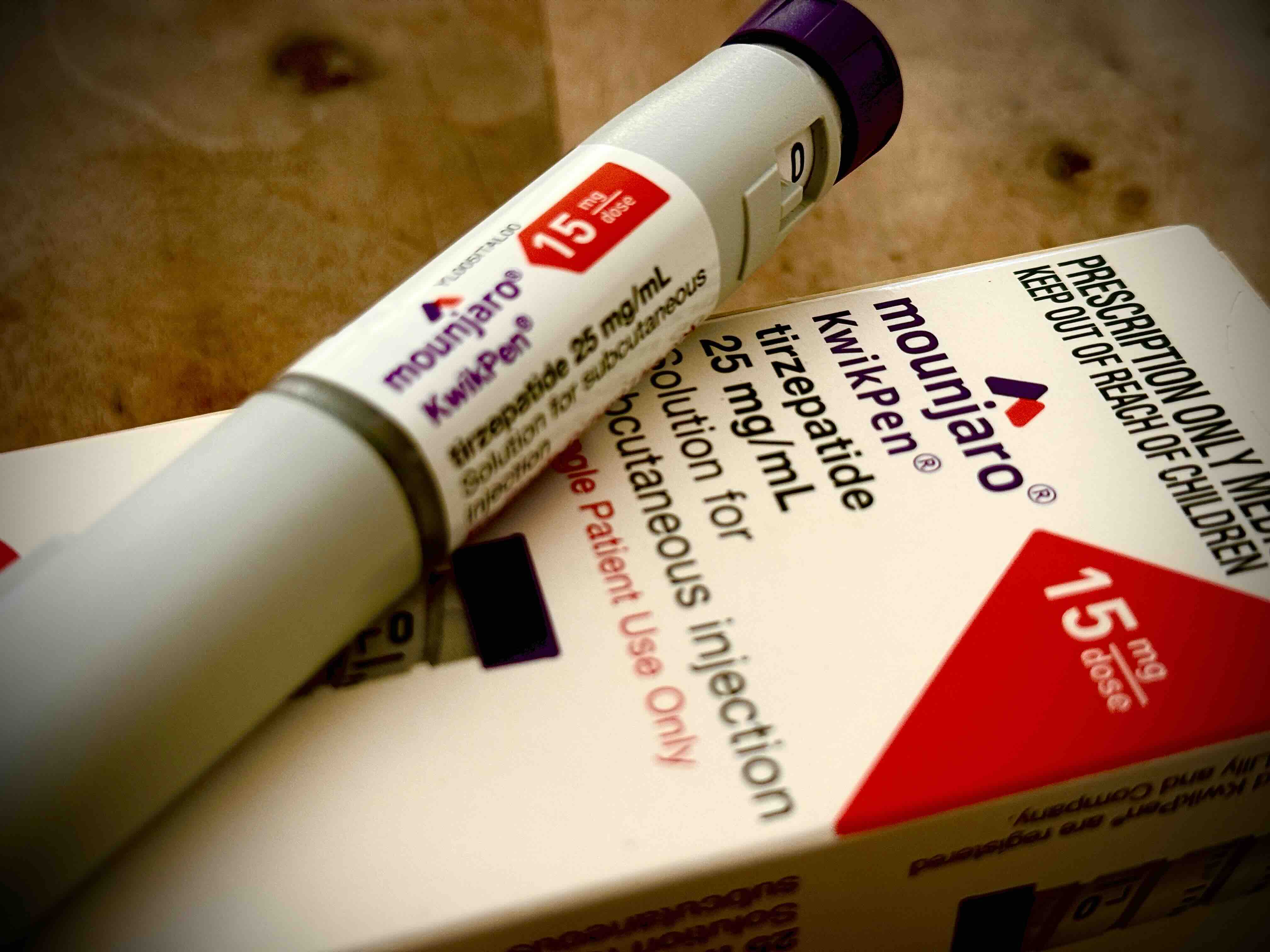
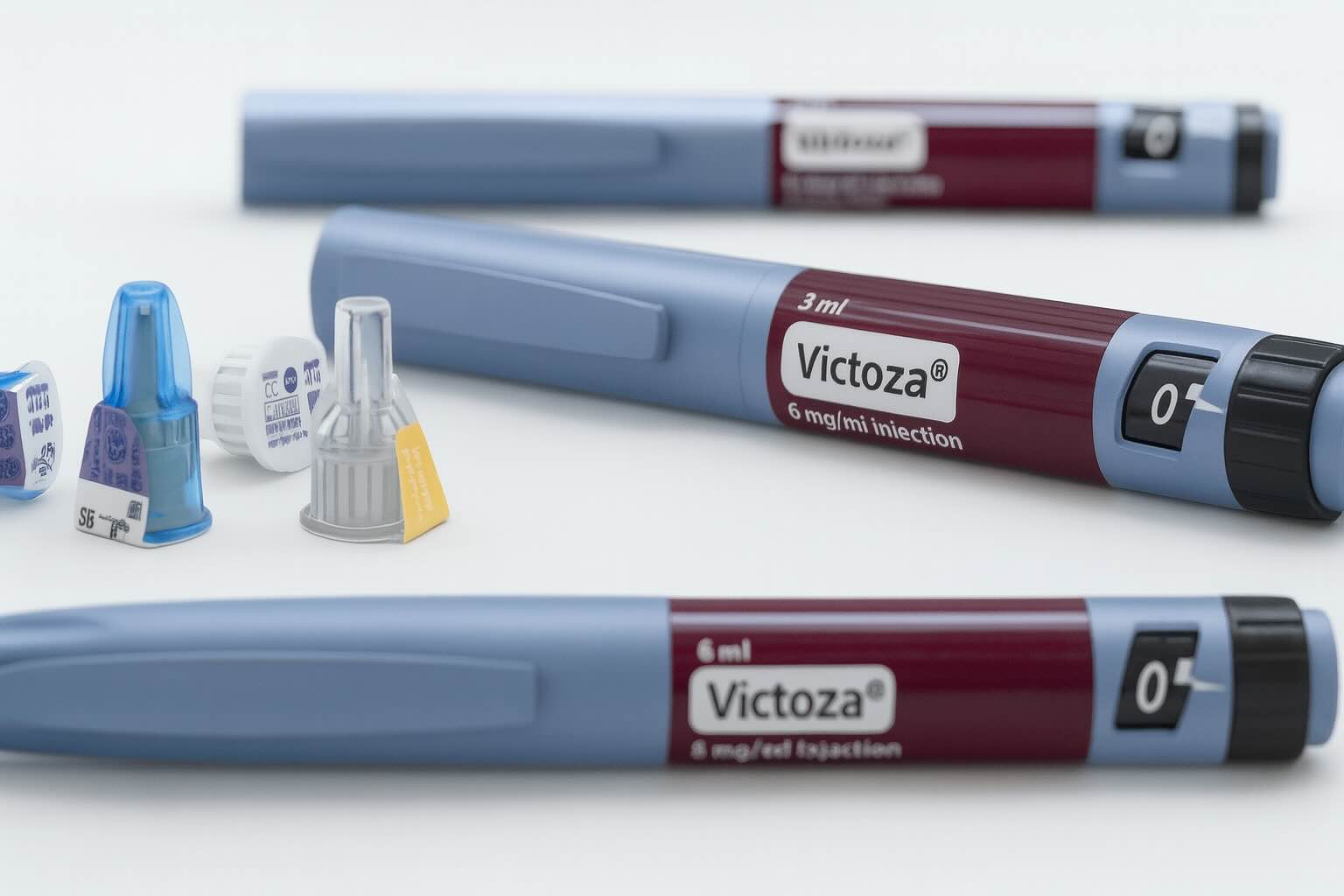
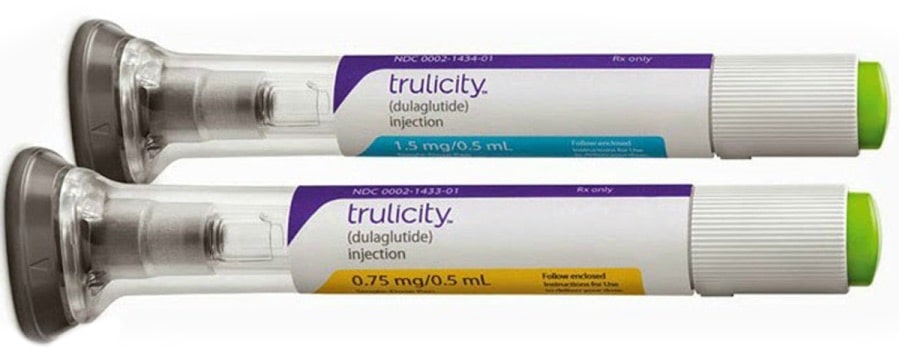

Weight-loss medications are not for everyone. They are most useful when excess weight is clearly contributing to:
They are often considered when:
All medication-based weight-loss strategies should be individualised, medically supervised, and reviewed regularly.
Medications work best when they support — not replace — dietary, behavioural, and psychological strategies.
The goal is not rapid weight loss, but sustainable metabolic improvement:
Over time, some people may reduce or stop medications. Others may benefit from longer-term use. Success is measured by health outcomes — not the number on the scales alone.
No. They are a legitimate medical option when biology makes weight loss unusually difficult, even with good lifestyle habits.
Yes, in selected higher-risk individuals, particularly where insulin resistance and weight gain are driving progression toward type 2 diabetes.
Weight regain can occur if underlying drivers are not addressed. This is why medications are most effective when combined with long-term behaviour and lifestyle strategies.
When prescribed appropriately and monitored properly, they have strong safety and evidence profiles. Choice and dosing should always be individualised.
Absolutely. Medication selection depends on medical history, current treatments, and personal goals.
FOLLOW US


