

Article

Type 1 Diabetes

Type 2 Diabetes
Prediabetes
Gestational Diabetes
Medically reviewed by Dr Sultan Linjawi, Endocrinologist & Diabetes Specialist — January 2026
Metformin is one of the most commonly prescribed medicines for people with type 2 diabetes, and it is often the first medication recommended after diagnosis. It is also sometimes used in people with prediabetes or insulin resistance.
If you’ve been prescribed metformin, you may be wondering what it actually does, why it’s recommended so often, whether it’s safe to take long term, and what to expect in terms of side effects.
This guide explains metformin in clear, practical terms, so you understand how it works, who it’s for, and how to use it safely.
If you’re starting metformin — or you’ve been taking it and still feel unsure about it — Dr Sultan has created this clear, practical guide to help you understand what it’s doing and what to expect.

Metformin works by improving the way your body handles glucose (sugar). It helps lower blood sugar levels in three main ways:
Unlike insulin, metformin does not force sugar out of the blood. This means it does not usually cause low blood sugar (hypoglycaemia) when taken on its own.
Because it targets insulin resistance, metformin treats one of the core problems behind type 2 diabetes rather than just the symptoms.
My Health Explained is designed to help you understand diabetes over time, not all at once. Most people arrive with one specific question, then build confidence as new questions come up.
This page covers one important part of that picture. You'll see links throughout to related topics that explain why things happen, what options exist, and what tends to help in real life.
If you'd like a broader overview first, start here: Weight Loss Medications and Diabetes: When Medical Support Can Help.
If something here raises a question, follow the links that feel most relevant and ignore the rest for now. This resource is built to support learning at your own pace.
Want new articles and practical guides as we publish them? Subscribe to the newsletter.
These sections cover the main areas people with diabetes commonly ask about.



Metformin is most commonly prescribed for:
It may also be recommended alongside other diabetes medications if blood sugar levels remain above target.
Metformin is not usually used as a first-line treatment in type 1 diabetes, but in some situations it may be added to insulin therapy under specialist guidance.
Metformin has several advantages compared with many other diabetes medications:
For many people, metformin forms the foundation of long-term diabetes treatment.
Like all medicines, metformin can cause side effects. The most common are related to the gut.
Common side effects include:
These side effects are usually mild and often improve after the first few weeks.
Starting with a low dose and increasing slowly can significantly reduce side effects. Taking metformin with meals also helps.
If diarrhoea or stomach upset persists, switching to an extended-release form may improve tolerance.
For a deeper explanation, see our detailed guide on metformin and diarrhoea.
In people with prediabetes, metformin may be recommended when blood sugar levels are rising despite lifestyle changes, or when risk factors such as obesity, family history, or previous gestational diabetes are present.
Metformin can reduce the risk of progression to type 2 diabetes, particularly when combined with weight loss, physical activity, and dietary changes.
You can estimate your risk using our diabetes risk calculator.
Metformin has been used for decades and has a strong safety record.
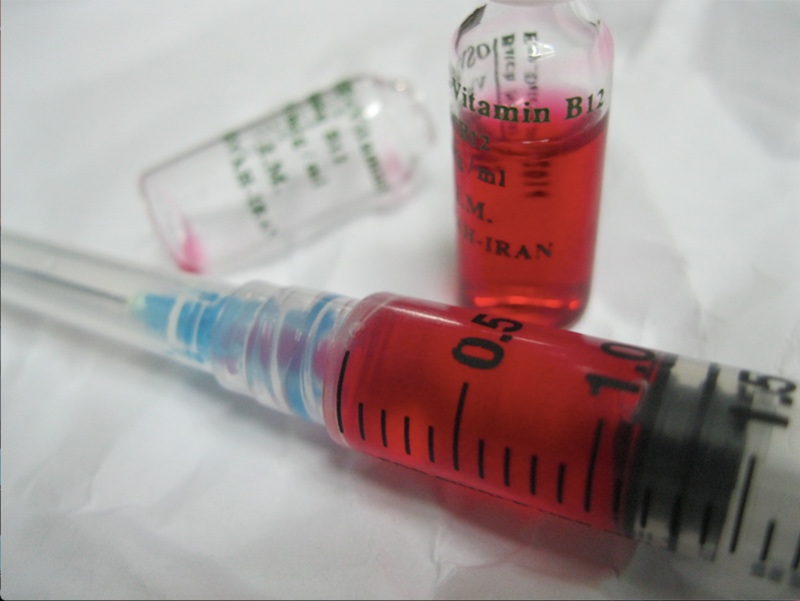
With long-term use, metformin can reduce vitamin B12 absorption in some people. This is why periodic blood tests may be recommended, especially if symptoms such as fatigue or numbness develop.
Metformin may not be suitable for everyone, including people with significant kidney disease or certain medical conditions. Your doctor will assess this before prescribing it.
If you’ve recently been prescribed metformin or are struggling to get your blood sugar levels into range, understanding the bigger picture of diabetes treatment can help.
Many people find it helpful to learn how medications, diet, activity, and monitoring fit together.
Free education session:
Spend 30–40 minutes with a diabetes specialist learning how treatment decisions are made and what actually helps stabilise blood sugar levels.
Metformin is most commonly used to treat type 2 diabetes. It helps lower blood glucose levels by reducing glucose production in the liver and improving the body’s sensitivity to insulin. It is also sometimes used in people with prediabetes, insulin resistance, and polycystic ovary syndrome (PCOS).
Metformin works by reducing the amount of glucose released by the liver, improving how sensitive muscle cells are to insulin, and slightly reducing glucose absorption from the gut. It does not stimulate insulin production.
Metformin is often prescribed first because it is effective, well studied, affordable, does not cause weight gain, and has a very low risk of low blood sugar compared with many other diabetes medications.
Metformin begins working within days, but its full effect on blood glucose levels may take several weeks. Improvements are usually gradual as the dose is increased.
Metformin does not usually cause weight gain. Some people experience modest weight loss, which is thought to be related to improved insulin resistance and reduced appetite.
The most common side effects are gastrointestinal, including nausea, diarrhoea, bloating, and abdominal discomfort. These effects are often temporary and can be reduced by starting at a low dose and taking metformin with meals.
Metformin on its own rarely causes low blood sugar (hypoglycaemia). The risk increases when it is taken with insulin or certain other diabetes medications.
Yes. Metformin has been used safely for decades. Most people can take it long term with routine monitoring of kidney function and vitamin B12 levels.
Metformin is safe for most people with normal or mildly reduced kidney function. It may need to be reduced or stopped if kidney function declines significantly, which is why kidney blood tests are checked regularly.
Metformin can reduce the absorption of vitamin B12 over time. Low levels may contribute to fatigue, anaemia, or nerve symptoms, which is why periodic monitoring is recommended.
Metformin may not be suitable for people with significantly reduced kidney function, advanced liver disease, or conditions that increase the risk of lactic acidosis. A healthcare professional should always assess suitability.
No. Metformin is also prescribed for people with prediabetes, insulin resistance, and polycystic ovary syndrome (PCOS), particularly when lifestyle changes alone are not enough.
Many people prescribed metformin also have questions about how to start it safely, how to manage side effects, and what blood tests need monitoring over time.
You may find these guides helpful:
FOLLOW US


