

hub-global

Type 1 Diabetes

Type 2 Diabetes
Prediabetes
Gestational Diabetes
Medically reviewed by Dr Sultan Linjawi, Endocrinologist & Diabetes Specialist — January 2026
Prediabetes treatment is about acting early — before diabetes develops and before long-term damage occurs. At this stage, blood glucose levels are higher than normal, but the body is often still capable of responding well to the right interventions.
This page explains how prediabetes is treated in real life — not just in theory. We’ll walk through lifestyle changes, weight and insulin resistance, medication options, and the often-overlooked factors that influence success.
If you’ve recently been told you have prediabetes, it’s important to know this: prediabetes is not a failure. For many people, it is a reversible warning sign — and an opportunity to protect long-term health.
People arrive at this page with different questions. If one of these sounds like you, start here:

My Health Explained is designed to help you understand diabetes over time, not all at once. Most people arrive with one specific question, then build confidence as new questions come up.
This page covers one important part of that picture. You'll see links throughout to related topics that explain why things happen, what options exist, and what tends to help in real life.
If you'd like a broader overview first, start here: What is prediabetes or borderline diabetes and does it matter?.
If something here raises a question, follow the links that feel most relevant and ignore the rest for now. This resource is built to support learning at your own pace.
Want new articles and practical guides as we publish them? Subscribe to the newsletter.
These sections cover the main areas people with prediabetes commonly ask about.





The main goals of prediabetes treatment are to:
Large studies such as the Diabetes Prevention Program showed that structured lifestyle changes can reduce the risk of developing type 2 diabetes by around 50–60%. Similar findings are supported by organisations such as the NIDDK and the CDC.
Lifestyle changes are the cornerstone of prediabetes treatment — whether or not medication is eventually used. This is because lifestyle directly targets the underlying biology driving prediabetes.
For practical guidance on food choices, see: What should I eat if I have prediabetes?
In most people with prediabetes, the key underlying problem is insulin resistance. This means insulin is present, but the body’s cells do not respond to it effectively.
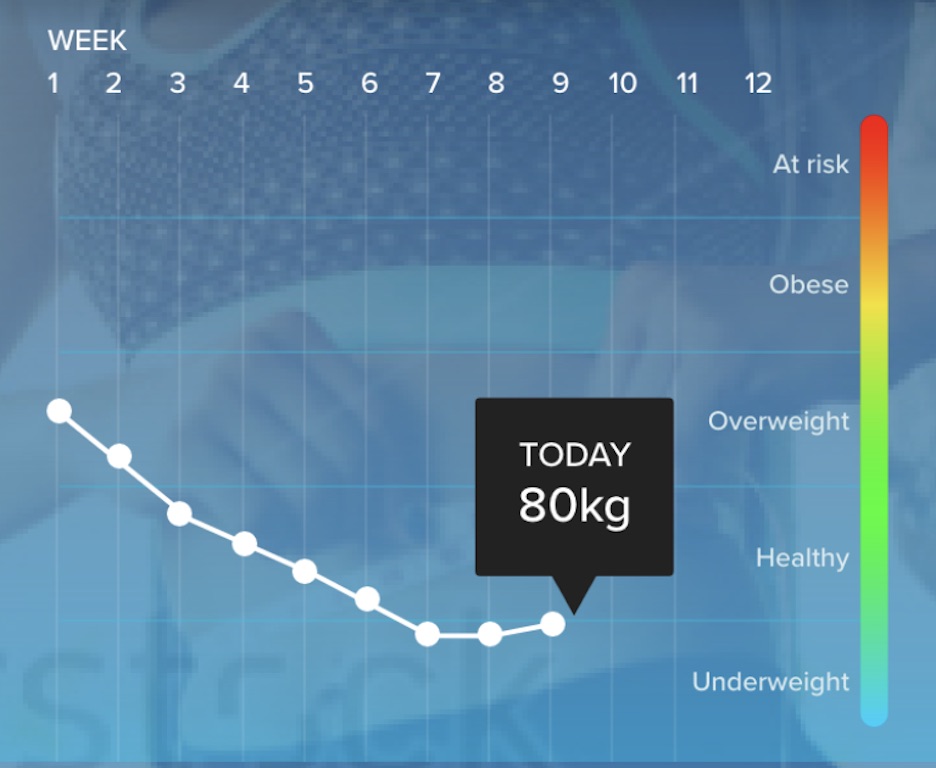
Excess weight — particularly around the abdomen — worsens insulin resistance. The good news is that even modest weight loss can make a meaningful difference.
Losing around 5–7% of body weight has been shown to significantly:
Weight loss does not require extreme dieting. Strategies that work best are those that are sustainable — including portion awareness, higher-fibre foods, adequate protein, and consistent movement.
If weight has been a long-term struggle, you may find these helpful:
Lifestyle change is always first-line treatment. However, medication may be considered in selected higher-risk individuals — particularly when lifestyle changes alone are not enough.
Metformin is the most commonly used medication in prediabetes. It works by:
Metformin is more likely to be considered if you:
To understand dosing and side effects, see: Starting metformin safely .
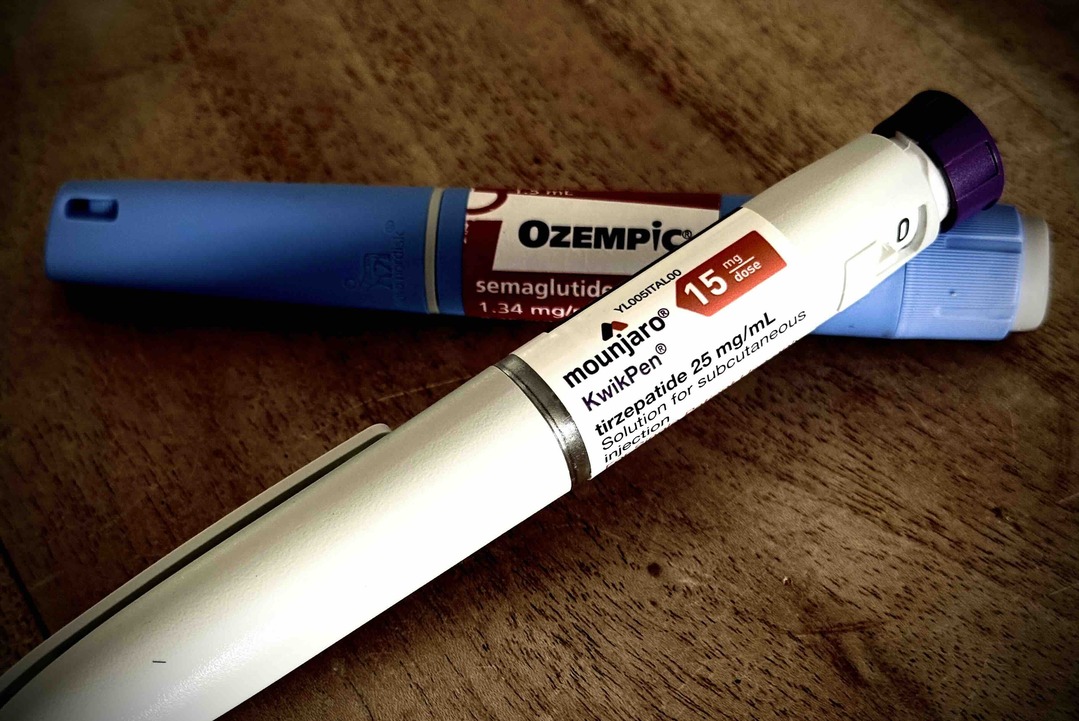
Other medications such as GLP-1 receptor agonists are increasingly used in type 2 diabetes, but in prediabetes their role is still evolving and usually considered only in specific contexts.
If you’ve been diagnosed with prediabetes, the most important next step is understanding how your body responds — and choosing changes you can realistically maintain.
You may find it helpful to explore:
If you would like a calm, structured walkthrough of what prediabetes means and how to respond, you may wish to attend one of our free online sessions:
In many people, yes. With sustained lifestyle changes — and sometimes medication — blood glucose levels can return to the normal range.
No. Many people never progress to type 2 diabetes, particularly when action is taken early.
Not always. Lifestyle changes are first-line. Medication is considered only in selected higher-risk cases.
This depends on individual risk, but most people benefit from regular review of HbA1c, fasting glucose, and overall metabolic health.
FOLLOW US


