
hub-global

Type 1 Diabetes

Type 2 Diabetes
Prediabetes
Gestational Diabetes
Medically reviewed by Dr Sultan Linjawi, Endocrinologist & Diabetes Specialist — January 2026
Weight loss is one of the most powerful tools we have for improving blood glucose levels, reducing insulin resistance, and lowering long-term health risks in people with prediabetes and type 2 diabetes.
But it is also one of the most misunderstood. Many people are told to “just lose weight” without being given a clear explanation of why weight matters, how it affects blood sugar, or what approach is actually realistic for long-term success.
This hub brings together the evidence, the physiology, and the practical strategies behind weight loss and diabetes — helping you understand what works, what doesn’t, and how to choose an approach that fits your body, your health, and your life.
Because excess weight directly worsens insulin resistance, blood glucose levels, and cardiovascular risk, understanding how and why weight loss works is central to preventing progression from prediabetes to type 2 diabetes — and to improving control after diagnosis.
People come to this page with different goals and frustrations. If one of these sounds like you, start here:

Excess body fat — particularly around the abdomen — plays a direct role in worsening insulin resistance, raising blood glucose levels, and increasing the risk of complications.
In people with prediabetes, modest and sustained weight loss can significantly reduce the risk of progressing to type 2 diabetes. In people already living with type 2 diabetes, weight loss often leads to:
Importantly, weight loss does not need to be extreme to be meaningful. Even small, achievable changes can have measurable metabolic benefits — particularly when they are maintained over time.
My Health Explained is designed to help you understand diabetes over time, not all at once. Most people arrive with one specific question, then build confidence as new questions come up.
This page covers one important part of that picture. You'll see links throughout to related topics that explain why things happen, what options exist, and what tends to help in real life.
If you'd like a broader overview first, start here: How is type 2 diabetes treated?.
If something here raises a question, follow the links that feel most relevant and ignore the rest for now. This resource is built to support learning at your own pace.
Want new articles and practical guides as we publish them? Subscribe to the newsletter.
These sections cover the main areas people with diabetes commonly ask about.


At the centre of both prediabetes and type 2 diabetes is insulin resistance — a state where the body’s cells no longer respond effectively to insulin.
Excess weight, especially visceral fat stored around the liver and abdominal organs, worsens insulin resistance by:
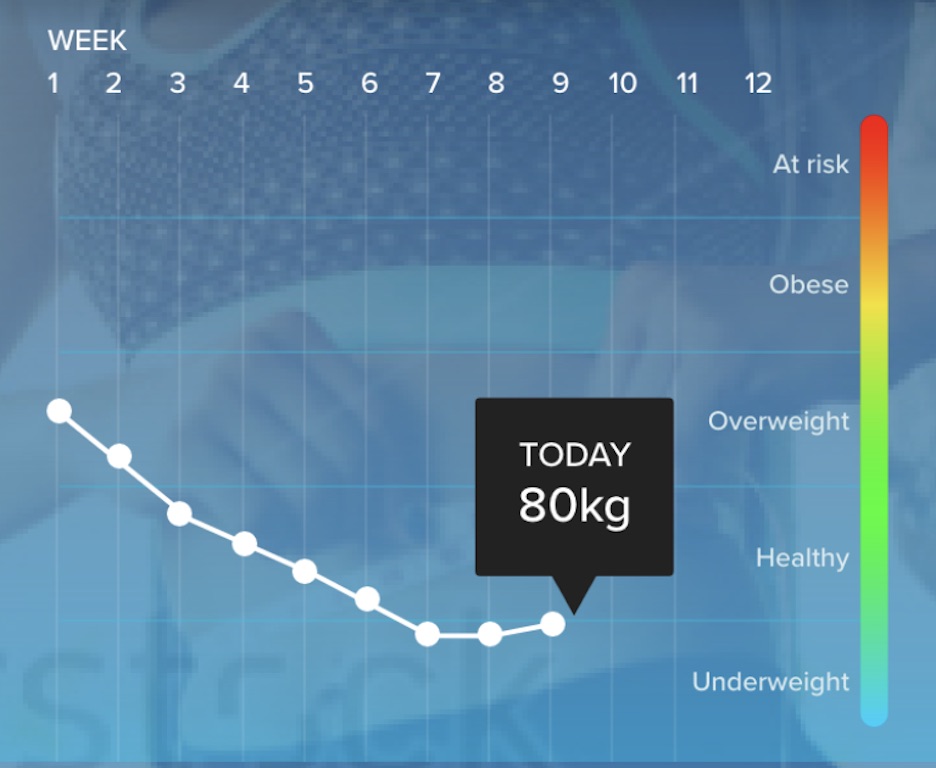
Weight loss helps reverse these processes. As insulin sensitivity improves, blood glucose levels often fall — sometimes before the number on the scales changes dramatically.
This is why some people notice better glucose readings early in their weight-loss journey, even with modest weight changes.
There is no single “best” diet for weight loss in diabetes. What matters most is choosing an approach that improves blood glucose control while being realistic and sustainable.
Dietary strategies explored in this section include:
Just as important as food choices are behavioural factors such as stress, sleep, emotional eating, and habits formed over decades. Long-term success usually comes from addressing both the biological and psychological drivers of weight gain — not willpower alone.
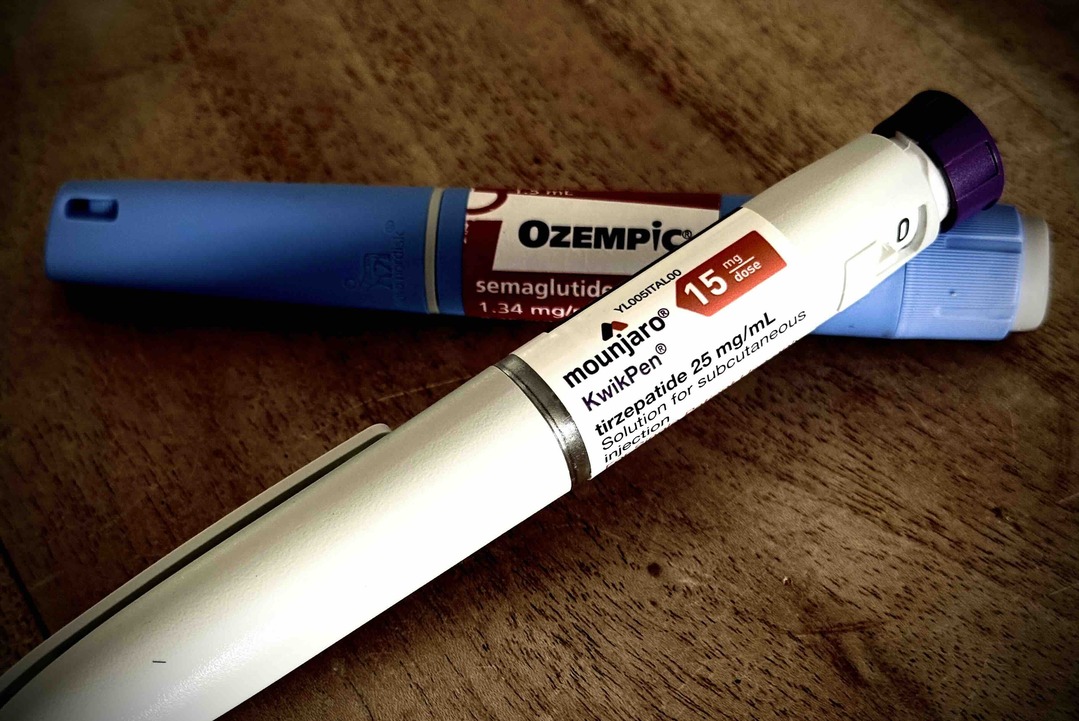
For some people, lifestyle changes alone are not enough. Medical therapies can play an important role in supporting weight loss and improving glucose control.
These may include:
Any medication-based strategy should be personalised and reviewed regularly with a healthcare professional.
Weight is only one marker of progress. Improvements in blood glucose, energy levels, sleep quality, confidence, and daily functioning often matter just as much — if not more.
Focusing solely on the number on the scales can be discouraging and misleading. A broader view of health allows for more sustainable motivation and better long-term outcomes.
Even a 5–10% reduction in body weight can significantly improve insulin sensitivity and blood glucose control in many people.
Not always. Some people with type 2 diabetes are not overweight. However, for many, weight loss improves metabolic control and reduces medication burden.
In some people, significant and sustained weight loss can lead to remission. This is not guaranteed and depends on factors such as diabetes duration and pancreatic function.
Insulin resistance alters hunger signals, fat storage, and energy use, making weight loss biologically more difficult — not a personal failure.
Yes. Especially if you are on glucose-lowering medications, as weight loss may require dose adjustments to avoid hypoglycaemia.
FOLLOW US


