
Article

Type 1 Diabetes

Type 2 Diabetes
Prediabetes
Gestational Diabetes
Medically reviewed by Dr Sultan Linjawi, Endocrinologist & Diabetes Specialist — January 2026
Insulin is a hormone that allows glucose (sugar) to move from the bloodstream into the body’s cells, where it can be used for energy. When insulin is absent, insufficient, or not working effectively, blood glucose levels rise — leading to diabetes.
In people with type 1 diabetes, the body no longer produces insulin at all. In people with type 2 diabetes, insulin is still made, but it may not work properly (insulin resistance), and over time the body may not produce enough to keep blood glucose under control. In both situations, insulin therapy may be required to protect long-term health.
Chemically, insulin is a protein made up of amino acids. Because proteins are broken down by stomach acid and digestive enzymes, insulin cannot be taken as a tablet — it would be destroyed before reaching the bloodstream. This is why insulin must currently be given by injection or infusion under the skin.
Starting insulin — or adjusting doses — can feel overwhelming. Many people worry about getting it wrong, having low blood sugars, gaining weight, or needing more insulin over time.
To help address these concerns, I’ve created a short, practical guide that explains how insulin is meant to work, the common reasons it doesn’t work as expected, and how to use it safely and confidently in everyday life.
Once injected under the skin, insulin is absorbed into the bloodstream and acts like a “key,” unlocking cells so glucose can enter. Different insulin preparations are designed to work at different speeds and for different lengths of time, allowing treatment to be tailored to how the body normally releases insulin.
Basal insulin provides a steady background level of insulin throughout the day and night. It is designed to control blood glucose between meals and overnight.
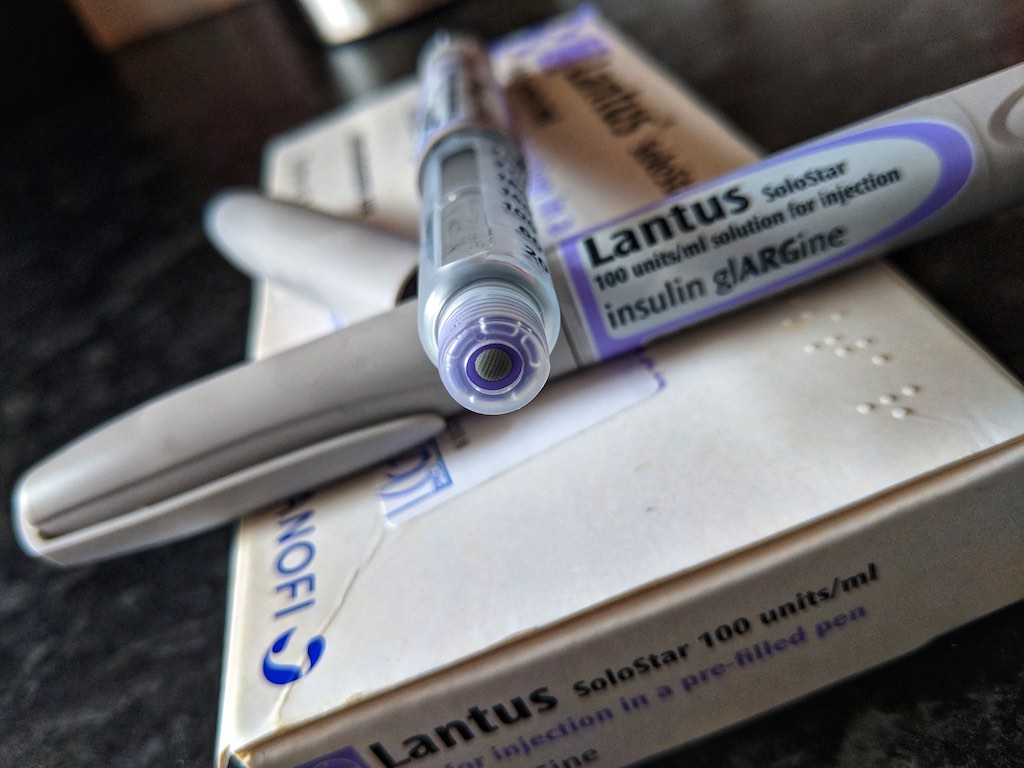
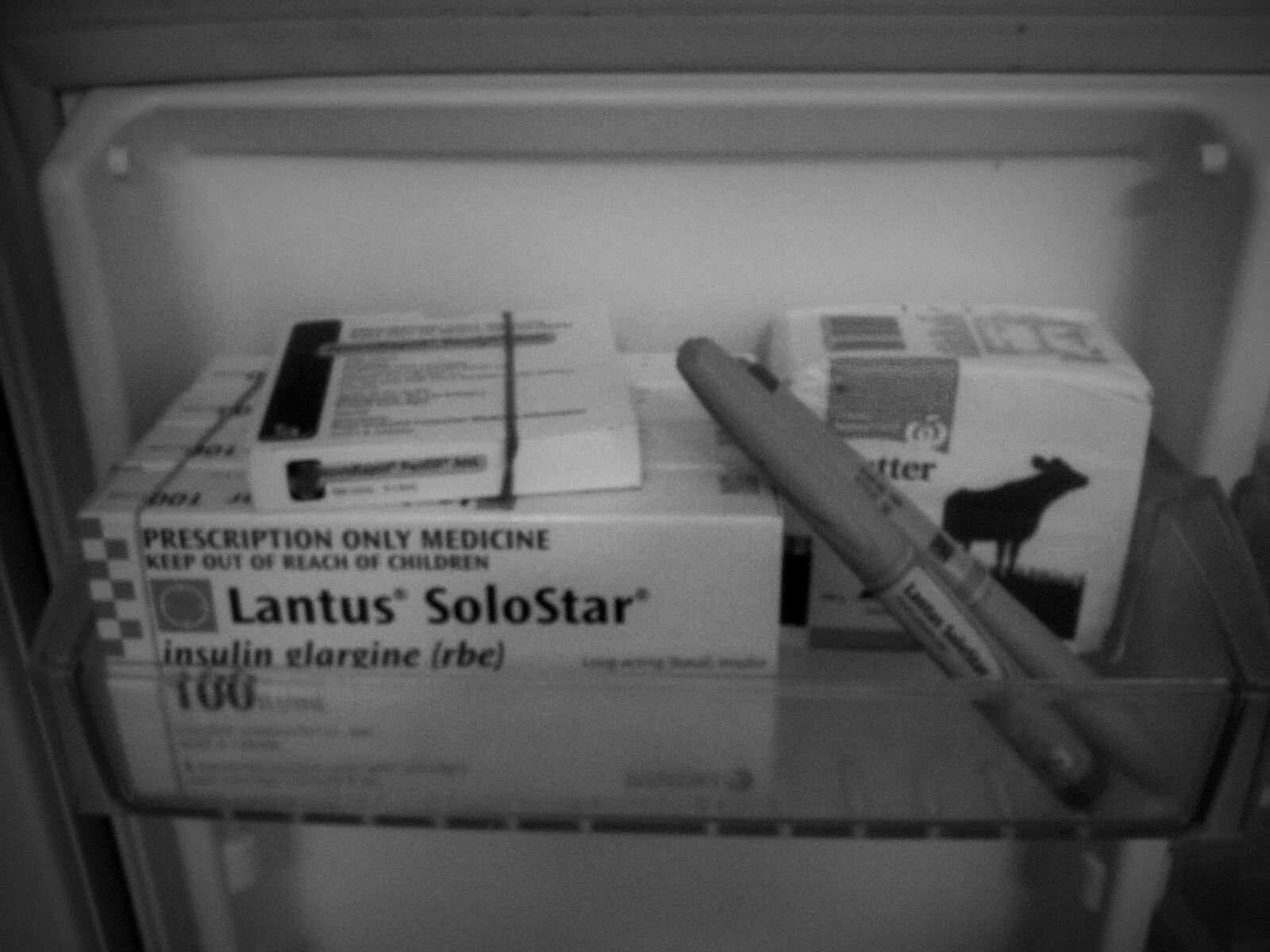
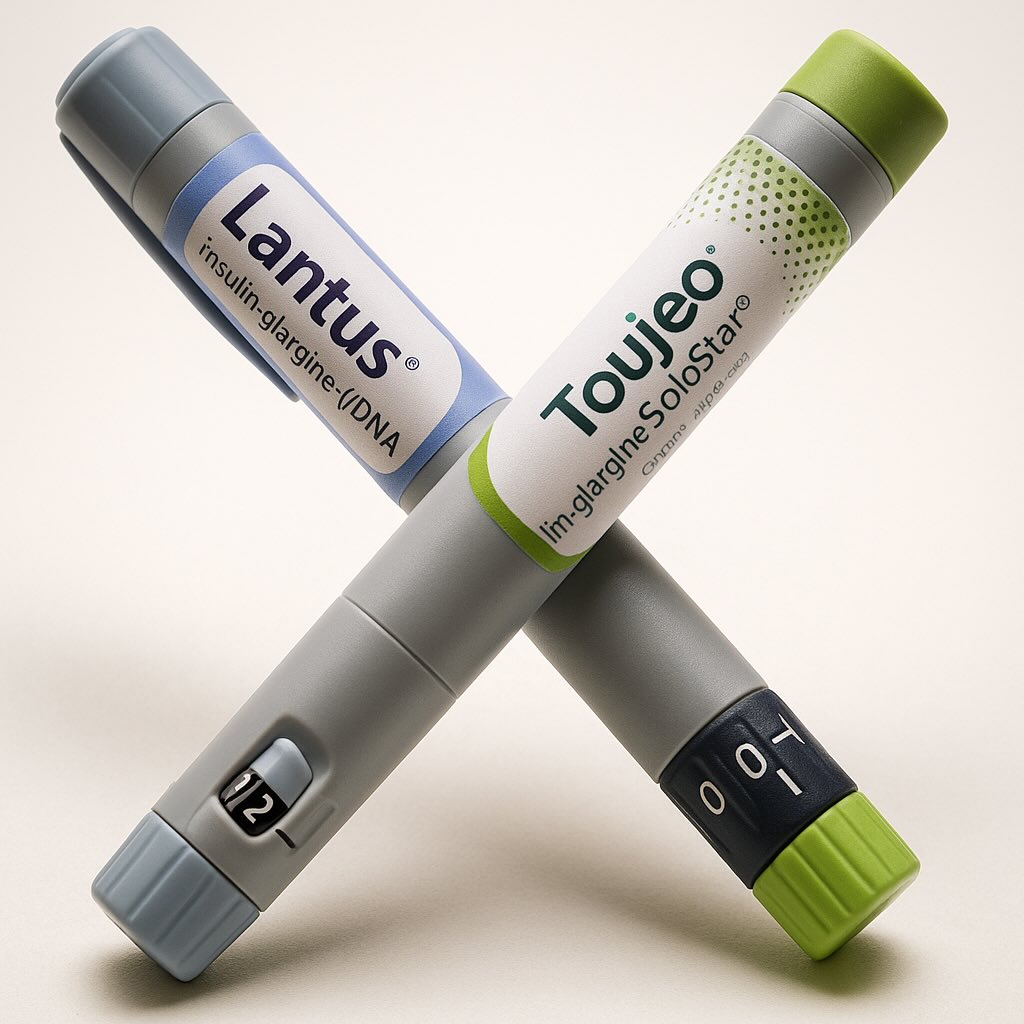
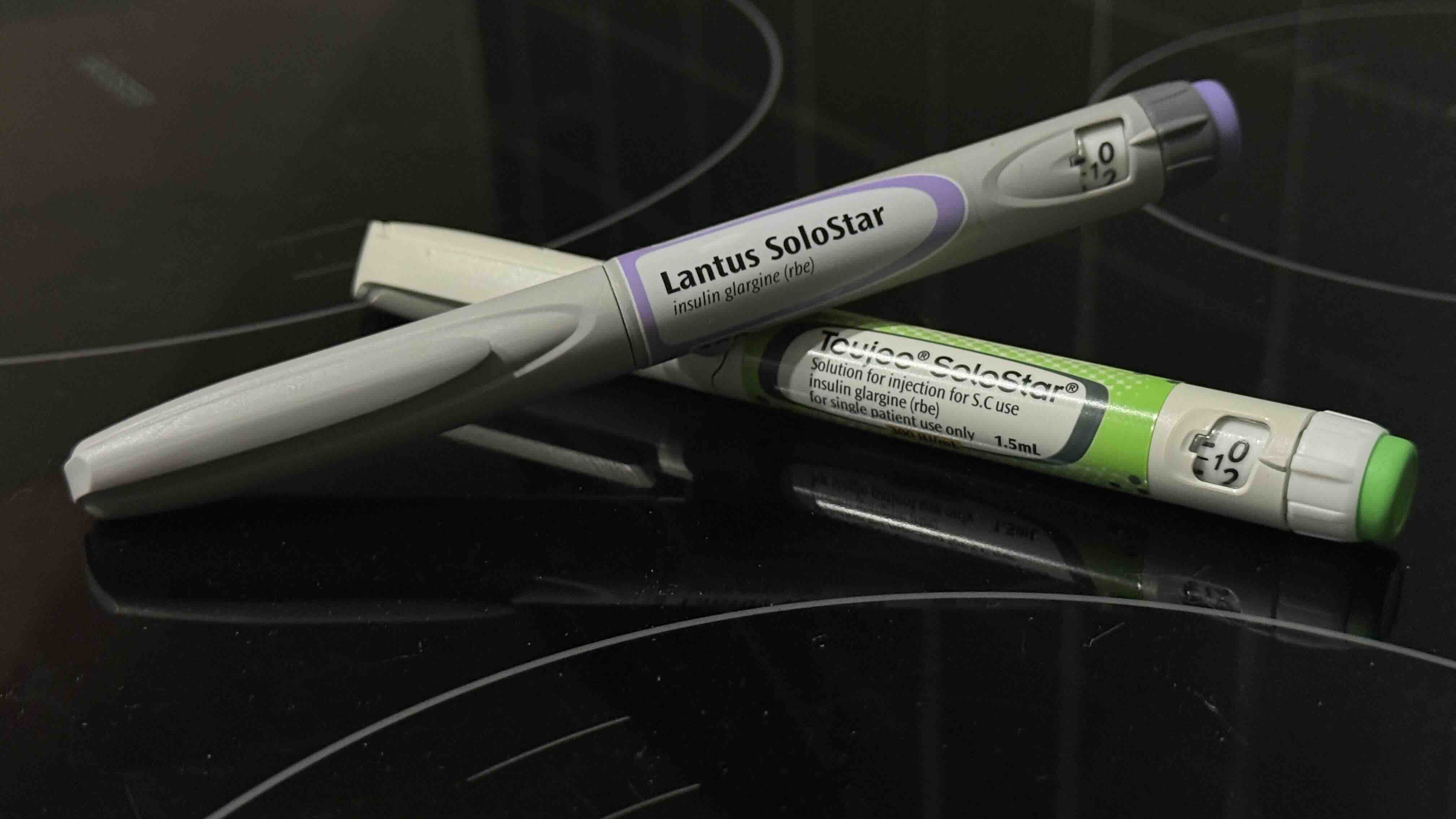
Examples include Lantus (insulin glargine) and Toujeo. These insulins last around 24 hours or longer and are usually injected once daily. Choosing the best time to take basal insulin and adjusting the dose carefully is important for stable control.
Rapid-acting insulins are taken before or with meals to control the rise in blood glucose after eating. These insulins work quickly and last for only a few hours.
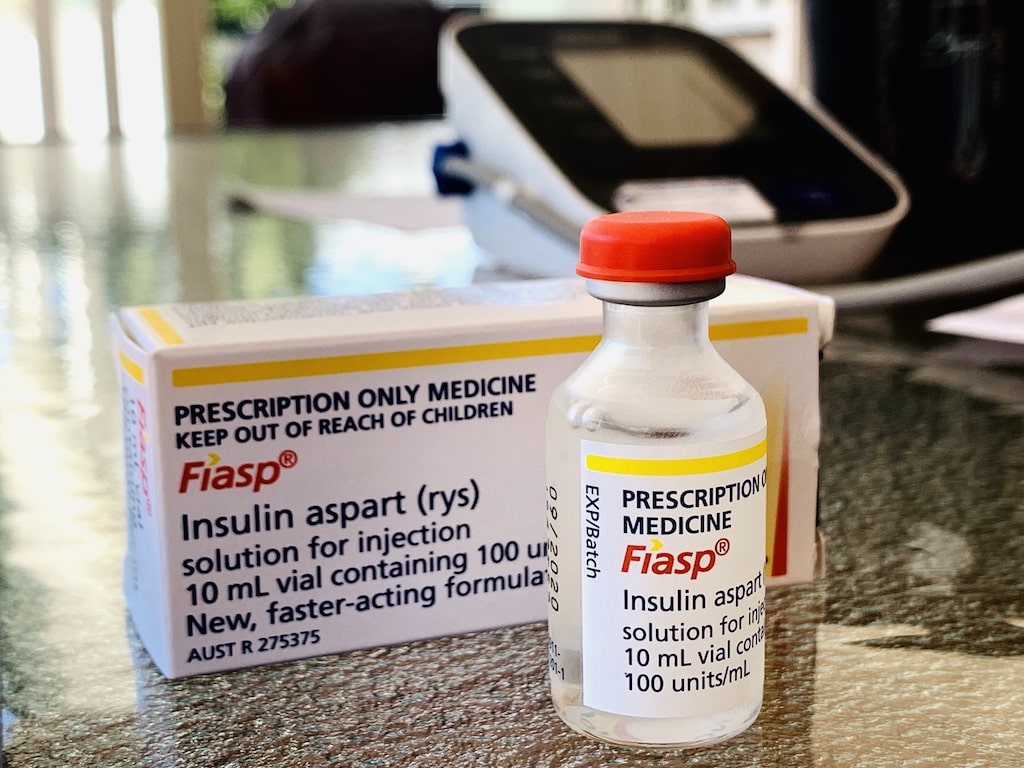
An example is Fiasp (fast-acting insulin aspart), which begins working within minutes. These insulins are commonly used in people with type 1 diabetes and in some people with type 2 diabetes who require more intensive treatment.
Some insulins combine a long-acting component with a rapid-acting component in a single injection. These are designed to simplify treatment for people who need both background and mealtime insulin.
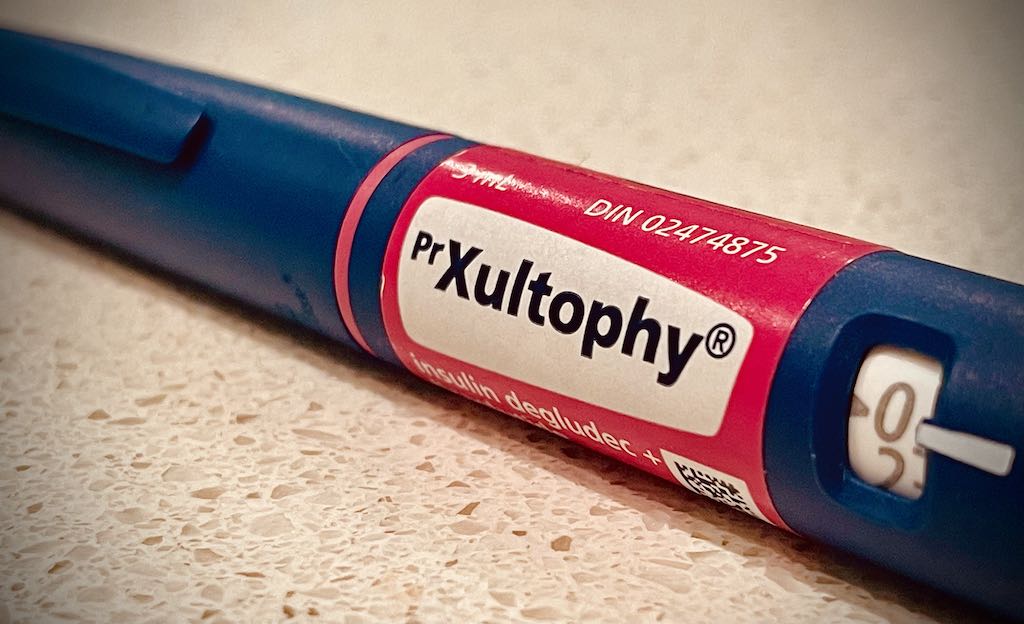
Examples include Ryzodeg, which combines insulin degludec with insulin aspart, and Xultophy, which combines insulin with a GLP-1 medication.
My Health Explained is designed to help you understand diabetes over time, not all at once. Most people arrive with one specific question, then build confidence as new questions come up.
This page covers one important part of that picture. You'll see links throughout to related topics that explain why things happen, what options exist, and what tends to help in real life.
If you'd like a broader overview first, start here: How is type 2 diabetes treated?.
If something here raises a question, follow the links that feel most relevant and ignore the rest for now. This resource is built to support learning at your own pace.
Want new articles and practical guides as we publish them? Subscribe to the newsletter.
These sections cover the main areas people with diabetes commonly ask about.

Insulin was first discovered in 1921 through research involving dogs, which demonstrated that a substance produced by the pancreas could lower blood glucose. This discovery transformed diabetes from a fatal condition into a manageable one almost overnight.
Early insulin treatments were extracted from animal sources — initially cows and pigs. Pharmaceutical companies such as Eli Lilly and the organisation that would later become Novo Nordisk helped scale insulin production worldwide.
Over time, insulin technology advanced significantly. The development of human insulin and later insulin analogues allowed insulin to act more predictably, last longer, and reduce the risk of hypoglycaemia. Modern insulins are far safer, more consistent, and easier to use than early preparations.
When used correctly, insulin is a safe and life-saving medication. The most common side effect is low blood glucose (hypoglycaemia), which can usually be prevented with appropriate dosing, monitoring, and education. You can learn more about treating low blood glucose safely in our guide on treating a hypo.
Weight gain can occur with insulin, particularly if doses are higher than needed. Modern treatment approaches focus on balancing insulin with diet, physical activity, and — where appropriate — other medications.
There is no single “right” dose of insulin. Dosing depends on body weight, insulin sensitivity, food intake, physical activity, and blood glucose patterns. This is why insulin doses are usually adjusted gradually, as explained in our dose titration guide.
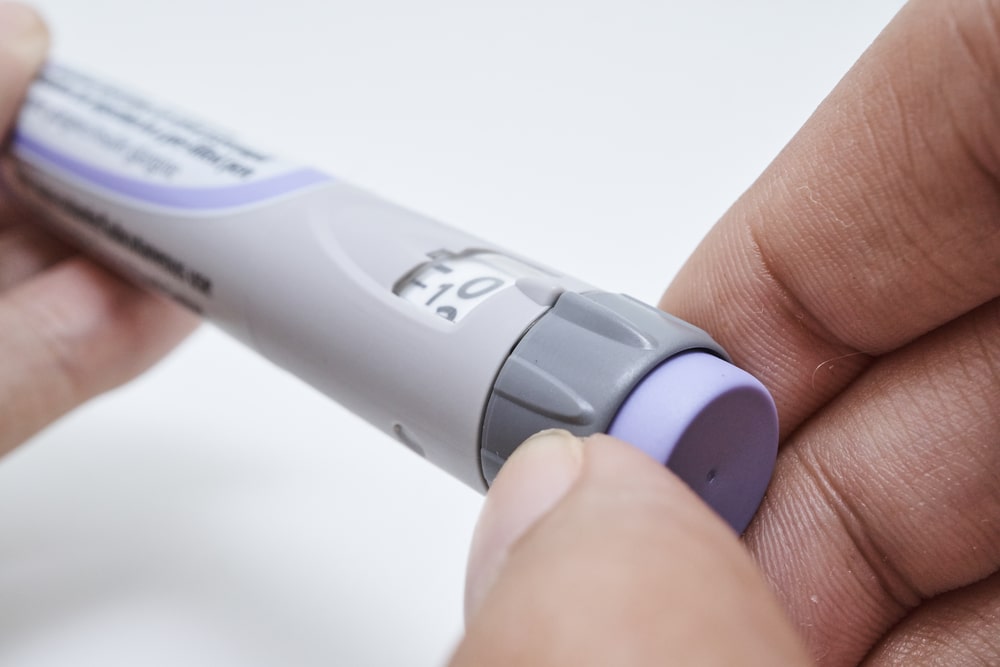
Most people inject insulin using a pen device with a very fine needle. Insulin is injected under the skin, usually into the abdomen, thigh, or upper arm. Storage and handling are also important — learn more about how to store insulin correctly.
No. Many people with type 2 diabetes can manage their condition for years without insulin. However, insulin may be required if other treatments are no longer sufficient. We explain this in more detail in managing diabetes with insulin — is it necessary?
This page provides an overview of insulin and how it is used. For more detailed guidance, you may wish to explore:
Additional in-depth insulin guides — including insulin and illness, insulin during pregnancy, and preventing overnight hypoglycaemia — are planned and will be added here as they are published.
Insulin is a hormone that allows glucose (sugar) to move from the bloodstream into the body’s cells, where it is used for energy. Without enough insulin — or when insulin does not work properly — blood glucose levels rise and can cause damage over time.
People with type 1 diabetes need insulin because their pancreas no longer produces it. People with type 2 diabetes may need insulin if their body cannot make enough insulin or if insulin resistance becomes severe enough that other treatments are no longer effective.
Insulin is a protein. If swallowed, it would be broken down by stomach acid and digestive enzymes before it could work. This is why insulin currently needs to be injected or delivered under the skin using a pump.
No. Starting insulin does not mean you have failed or that your diabetes is severe. It simply means your body needs additional support to control blood glucose levels. For many people, insulin is the safest and most effective option.
Some people gain weight after starting insulin, particularly if doses are higher than needed. This is often related to improved glucose absorption and reduced sugar loss in urine. Careful dose adjustment, diet, and physical activity can help minimise weight gain.
Long-acting (basal) insulin provides steady background insulin throughout the day and night. Rapid-acting insulin works quickly and is used around meals to control post-meal blood glucose rises. Some people use one type, while others need both.
Yes. Low blood sugar (hypoglycaemia) is the most common side effect of insulin. With proper education, monitoring, and dose adjustment, the risk can usually be reduced significantly.
Insulin doses are individualised. They depend on factors such as body weight, insulin sensitivity, eating patterns, activity levels, and blood glucose results. Doses are usually adjusted gradually rather than all at once.
Most people are surprised by how little insulin injections hurt. Modern insulin needles are extremely fine, and insulin pens are designed to be easy and comfortable to use.
Not always. Some people with type 2 diabetes use insulin temporarily, such as during illness or periods of high blood glucose. Others may need ongoing insulin treatment. This depends on how the body responds over time.
FOLLOW US


