
Article

Type 1 Diabetes

Type 2 Diabetes
Prediabetes
Gestational Diabetes
Medically reviewed by Dr Sultan Linjawi, Endocrinologist & Diabetes Specialist — January 2026
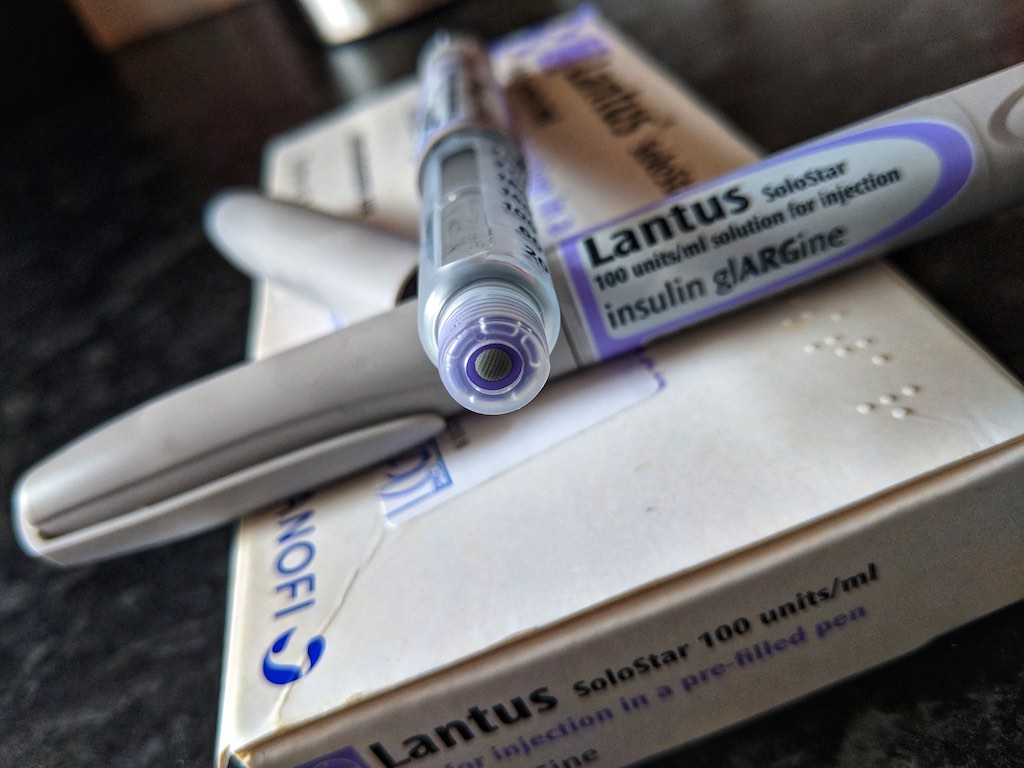
Basal insulin is the background insulin that keeps blood glucose stable between meals and overnight. It works quietly in the background, controlling fasting blood sugar levels when you are not eating. Long-acting insulins such as Lantus, Toujeo, Tresiba and NPH are commonly used to provide this steady insulin coverage.
In someone without diabetes, the pancreas releases small amounts of insulin all day and all night. This constant trickle of insulin keeps blood glucose stable when you are asleep, between meals, or not eating at all.
Basal insulin is designed to replace that background insulin. Unlike mealtime (bolus) insulin, it is not meant to cover food. Instead, it controls fasting glucose levels and reduces glucose released from the liver.
For many people with type 2 diabetes, basal insulin is the first insulin introduced. For people with type 1 diabetes, basal insulin is essential from diagnosis.
Starting insulin — or adjusting doses — can feel overwhelming. Many people worry about getting it wrong, having low blood sugars, gaining weight, or needing more insulin over time.
To help address these concerns, I’ve created a short, practical guide that explains how insulin is meant to work, the common reasons it doesn’t work as expected, and how to use it safely and confidently in everyday life.
Over time, the pancreas may struggle to produce enough insulin to control blood glucose levels, particularly overnight and before breakfast. This often shows up as a rising fasting blood sugar or HbA1c, even when diet and tablets are optimised.
Basal insulin helps by:
Importantly, starting basal insulin does not mean you have failed. It simply means your body needs additional support.
Basal insulins differ in how long they last, how evenly they work, and how flexible they are with timing. These differences matter in day-to-day life.
These insulins are designed to provide smoother, more predictable insulin coverage with fewer overnight lows:
Older insulins such as NPH tend to have a stronger peak and shorter duration, which can increase the risk of hypoglycaemia overnight.
My Health Explained is designed to help you understand diabetes over time, not all at once. Most people arrive with one specific question, then build confidence as new questions come up.
This page covers one important part of that picture. You'll see links throughout to related topics that explain why things happen, what options exist, and what tends to help in real life.
If something here raises a question, follow the links that feel most relevant and ignore the rest for now. This resource is built to support learning at your own pace.
Want new articles and practical guides as we publish them? Subscribe to the newsletter.
These sections cover the main areas people with diabetes commonly ask about.

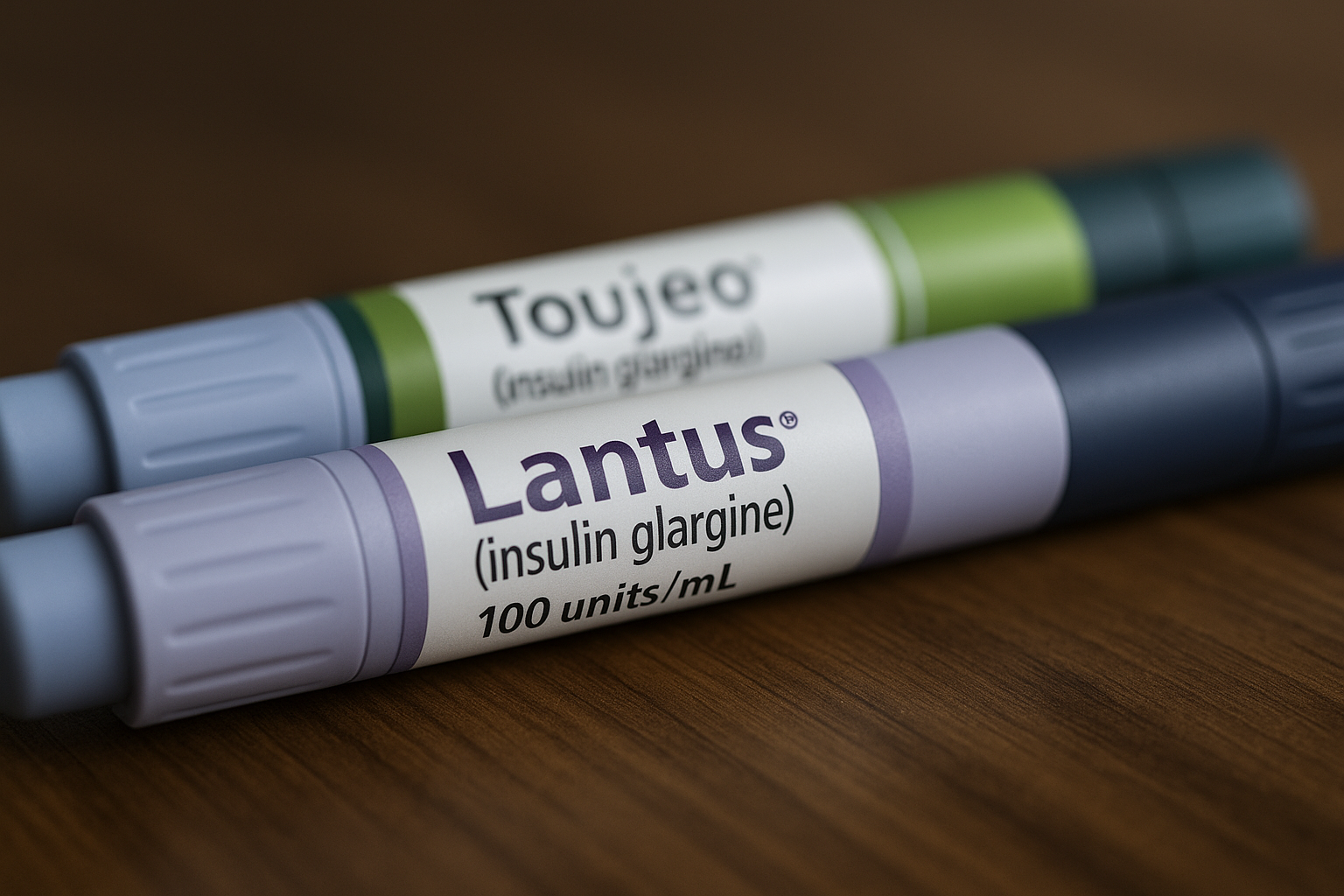
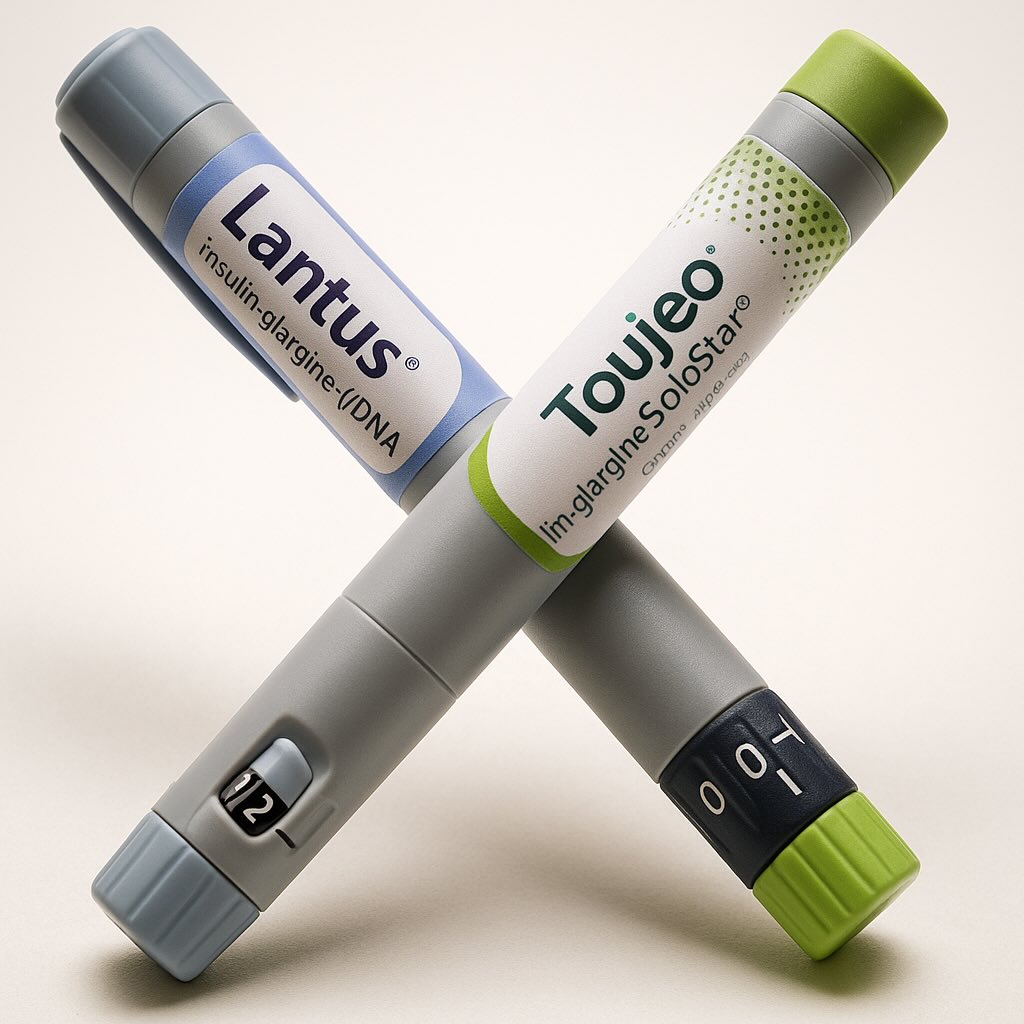

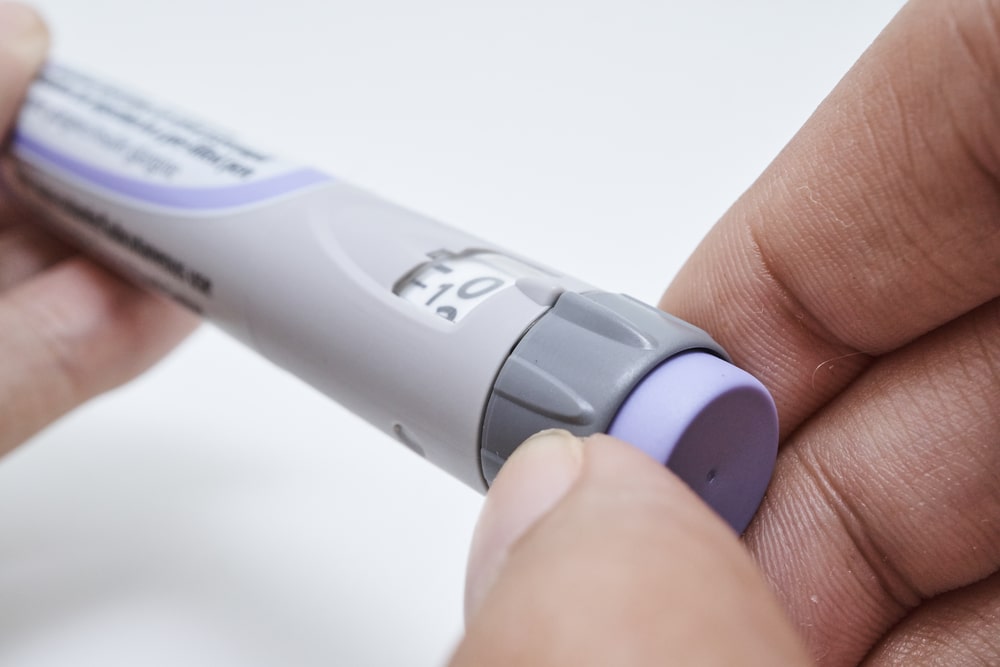
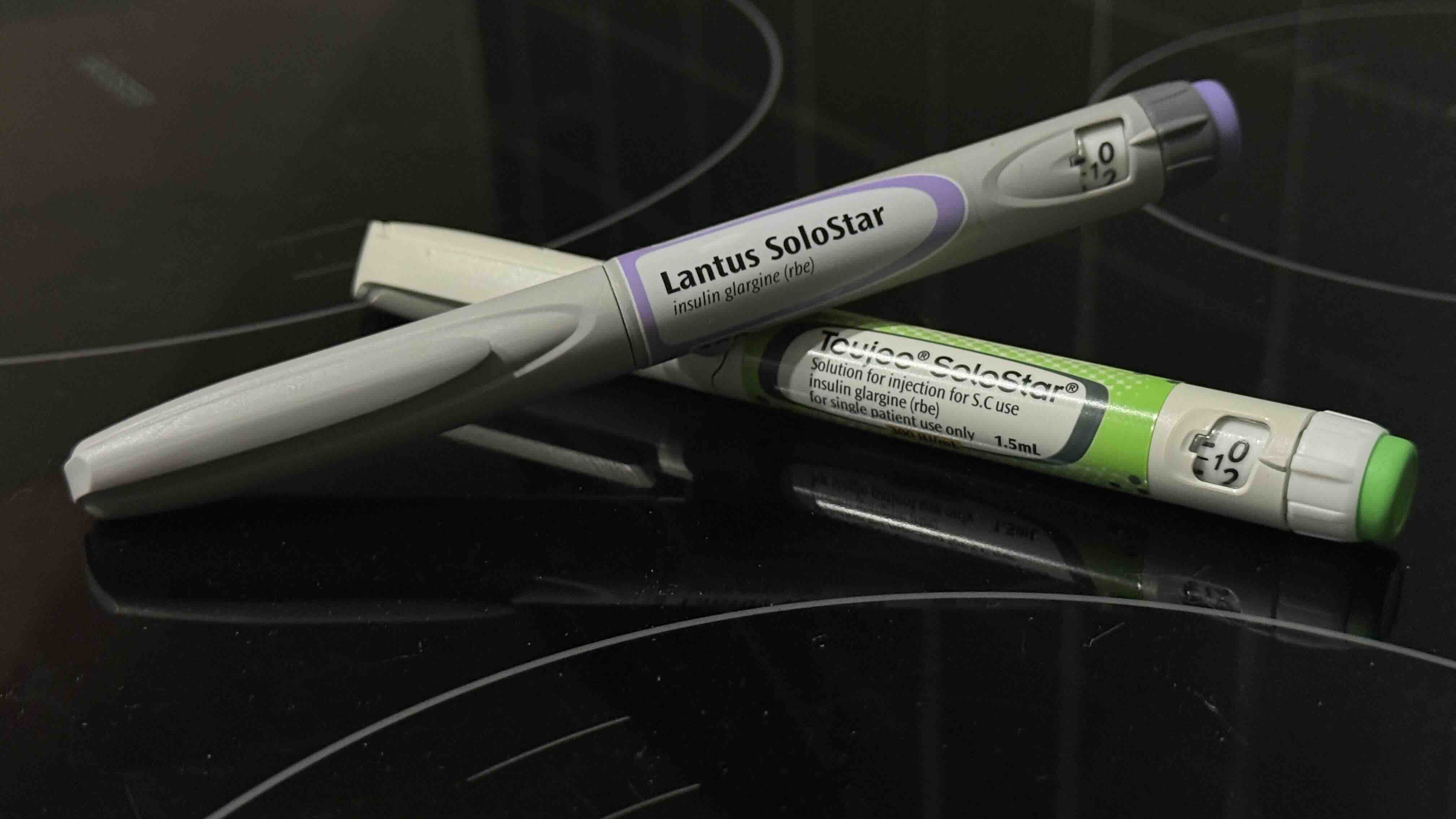
Basal insulins differ in how long they last, how evenly they work, and how flexible they are with timing. These differences matter in day-to-day life.
These insulins are designed to provide smoother, more predictable insulin coverage with fewer overnight lows:
Older insulins such as NPH tend to have a stronger peak and shorter duration, which can increase the risk of hypoglycaemia overnight.
Not all basal insulins last the same length of time:
This is why some insulins are injected once daily, while others may need twice-daily dosing.
Basal insulin is only one part of insulin therapy.
Some people only need basal insulin. Others require a basal-bolus regimen. The right approach depends on your glucose patterns and lifestyle.
This depends on the insulin type. Some are taken in the morning, others at night, and some can be taken at flexible times. Your doctor or diabetes educator will guide this.
Doses are individual and adjusted gradually. This process is called titration and is explained in detail in our basal insulin titration guide.
Weight gain is possible, but modern basal insulins are less likely to cause significant weight gain when used appropriately.
Basal insulin is often used alongside lifestyle changes and other medications. It may be introduced before mealtime insulin and can delay or reduce the need for more complex regimens.
If you are newly diagnosed or struggling with control, see our guide to treatment options for type 2 diabetes.
FOLLOW US


