

Article

Type 1 Diabetes

Type 2 Diabetes
Prediabetes
Gestational Diabetes
Medically reviewed by Dr Sultan Linjawi, Endocrinologist & Diabetes Specialist — January 2026
Diet and behaviour sit at the centre of weight management in people with prediabetes and type 2 diabetes. Not because of willpower, but because food choices, habits, stress, sleep, and the modern food environment all interact with insulin resistance and blood glucose regulation.
Many people are told to “eat better” or “cut calories” without any explanation of how food actually affects blood sugar, hunger, or fat storage — or why these changes can feel so difficult to sustain.
This section brings together practical, evidence-based guidance on diet and behaviour to help you understand what really drives weight change in diabetes, and how to make changes that are realistic, flexible, and sustainable.
Food affects weight and diabetes through more than just calories. The type of foods you eat influences insulin release, hunger hormones, gut health, and how easily your body stores or releases fat.
Highly processed foods, refined carbohydrates, and sugary drinks tend to cause rapid spikes in blood glucose and insulin, followed by hunger and energy crashes. In contrast, meals built around whole foods — including vegetables, protein, healthy fats, and minimally processed carbohydrates — tend to support steadier glucose levels and better appetite control.
You can explore how different carbohydrates affect blood sugar in our article on carbohydrates and diabetes, and what a practical eating pattern looks like in our type 2 diabetes-friendly diet guide.
Weight loss still requires an energy deficit, but how that deficit is created matters greatly in diabetes. Portion size, carbohydrate quantity, and food choices all influence whether calorie reduction feels manageable or miserable.
Some people benefit from reducing overall carbohydrate intake, while others do better focusing on portion control and carbohydrate quality. There is no single correct approach — the best strategy is the one you can maintain without constant hunger or guilt.
Modern portion sizes and food marketing make this harder than most people realise. Our diabetes news analysis on portion size and weight loss explores why eating less is not just a personal choice, but an environmental challenge.
For practical guidance, see how to reduce carbohydrates in your diet in a way that still supports nutrition and enjoyment.
My Health Explained is designed to help you understand diabetes over time, not all at once. Most people arrive with one specific question, then build confidence as new questions come up.
This page covers one important part of that picture. You'll see links throughout to related topics that explain why things happen, what options exist, and what tends to help in real life.
If you'd like a broader overview first, start here: How is prediabetes treated?.
If something here raises a question, follow the links that feel most relevant and ignore the rest for now. This resource is built to support learning at your own pace.
Want new articles and practical guides as we publish them? Subscribe to the newsletter.
These sections cover the main areas people with diabetes commonly ask about.
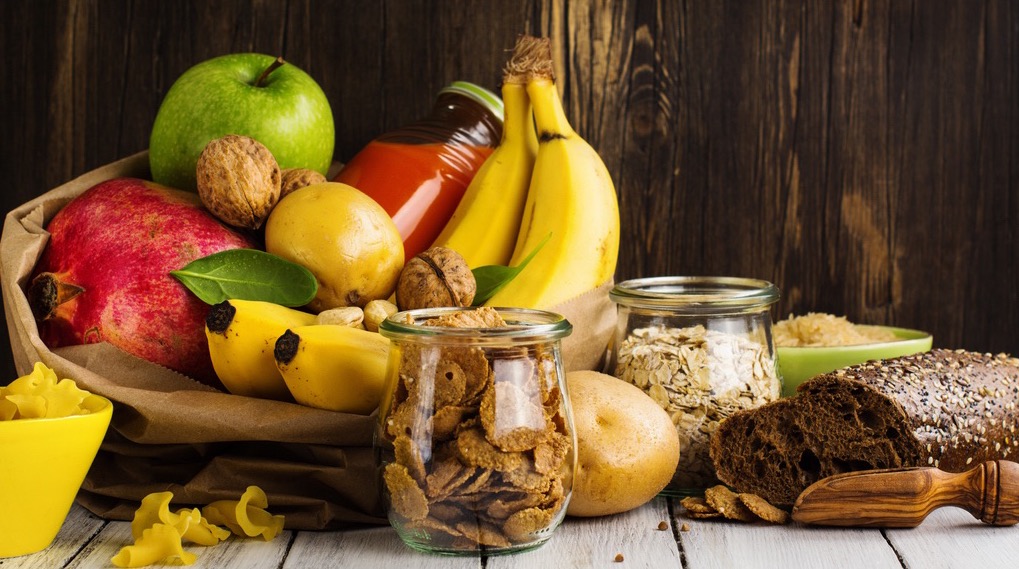






Eating is not just a biological process — it is deeply behavioural. Stress, fatigue, emotions, routine, and social environments all influence what and how much we eat.
Many people with insulin resistance experience stronger hunger signals and cravings, making weight loss feel disproportionately difficult. This is not a failure of discipline, but a physiological response shaped by hormones and prior weight history.
Understanding behavioural drivers — such as eating when not hungry, emotional eating, or “all-or-nothing” thinking — is often the missing piece in long-term weight management. You can explore these patterns further in why we eat when we’re not hungry and our articles on diabetes burnout and motivation.
Short-term weight loss is common. Long-term maintenance is where most people struggle. Highly restrictive diets may work temporarily, but often lead to rebound weight gain, frustration, and self-blame.
Sustainable approaches focus on:
Weight, blood glucose, energy levels, sleep, and confidence all matter. As explored in why the scales don’t always measure success, health improvements often occur even when weight loss is slow or uneven.
Some of the most common pitfalls include:
Addressing both diet and behaviour gives the best chance of lasting success.
No. Different people respond differently. The best diet is one that improves glucose control while being sustainable for you.
Not necessarily. Some people benefit from reducing carbs, others from moderating portions and choosing higher-quality carbohydrates.
Insulin resistance alters hunger hormones and fat storage, making weight loss biologically more difficult — not a personal failure.
Yes. Long-term success usually depends on addressing habits, stress, sleep, and emotional eating alongside food choices.
Medical support, including medication or structured programs, may be appropriate. Weight management should be personalised, not one-size-fits-all.
FOLLOW US


