


What Is Insulin Resistance? A Simple Guide to How It Works and Why It Matters
Medically reviewed by Dr Sultan Linjawi, Endocrinologist & Diabetes Specialist — January 2026
Insulin resistance is one of the earliest changes that occur long before prediabetes or type 2 diabetes is diagnosed. Most people have no symptoms at all, yet it plays a central role in why glucose levels rise over time.
This simple guide explains how insulin normally works, what happens when your cells stop responding to it properly, and why early action can make such a profound difference to long-term health.
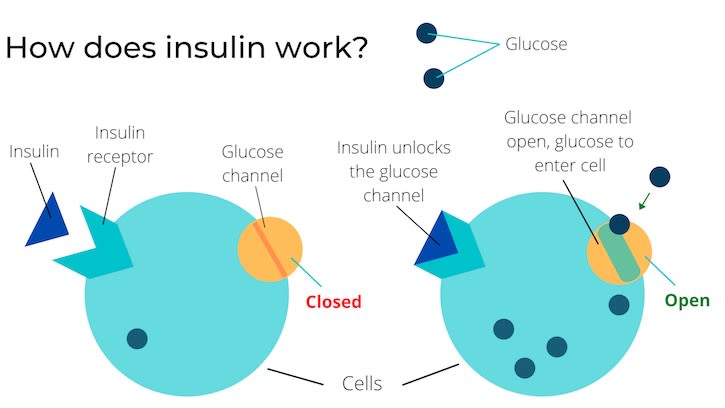
How does insulin normally work?
When you eat, food is broken down into glucose, which enters your bloodstream. To help move this glucose into your muscle and fat cells, your pancreas releases insulin.
Think of insulin as a key and the receptor on your cells as the lock. When the key fits into the lock, a channel opens and glucose moves into the cell where it can be used for energy.
This elegant “lock and key” system keeps blood glucose within a healthy range.
What is insulin resistance?
Insulin resistance happens when the locks on your cells change shape. The insulin key still works — but it no longer opens the lock easily. Your body must produce more and more insulin just to keep blood glucose stable.
Over time, this becomes harder to maintain. Eventually, the pancreas cannot produce enough insulin to overcome the resistance, and glucose begins to rise. This is when prediabetes or type 2 diabetes may develop.
According to the NIDDK and CDC, insulin resistance may begin 5–10 years before glucose levels rise.
Are there any signs of insulin resistance?
Most people feel completely well. Some may notice:
- Weight gain around the stomach
- Skin tags
- Darkened skin on the neck or underarms (acanthosis nigricans)
- Tiredness after meals
Blood tests such as fasting glucose, HbA1c, an oral glucose tolerance test, or lipids may also provide clues that insulin resistance is developing.
Why does insulin resistance matter?
Insulin resistance is the foundation of several common conditions, including prediabetes, type 2 diabetes, fatty liver, metabolic syndrome, and PCOS.
The good news? It can be improved — sometimes significantly — with practical steps you can begin today.
How can insulin resistance be improved?
Insulin resistance improves when the body becomes more sensitive to insulin again. Evidence-based strategies include:
- Gradual, sustained weight loss — even 5–7% can make a big difference
- Regular movement — especially walking and resistance training
- Better sleep and stress reduction
- Metformin in certain situations (PCOS, prediabetes with high risk)
Understanding why insulin resistance occurs is the first step. Having a plan makes the difference.
Frequently Asked Questions
Is insulin resistance the same as prediabetes?
No. Insulin resistance begins much earlier. Prediabetes occurs when glucose levels begin to rise.
Can you have insulin resistance with normal blood sugar?
Yes — the pancreas can compensate for years by producing extra insulin.
Does insulin resistance always lead to diabetes?
No, but the risk increases significantly unless lifestyle changes are made.
Is insulin resistance reversible?
In many people, yes. Weight reduction, exercise, sleep optimisation and stress management can improve or partly reverse it.
How do I know if I’m improving insulin resistance?
Improvements may include more stable energy, reduced waist size, improved fasting glucose/HbA1c, and reduced triglycerides.


