


هل من الممكن عكس السكري من النوع الثاني؟
مراجعة طبية بواسطة د. سلطان لنجاوي، أخصائي الغدد الصماء والسكري — January 2026
The short answer is… maybe.
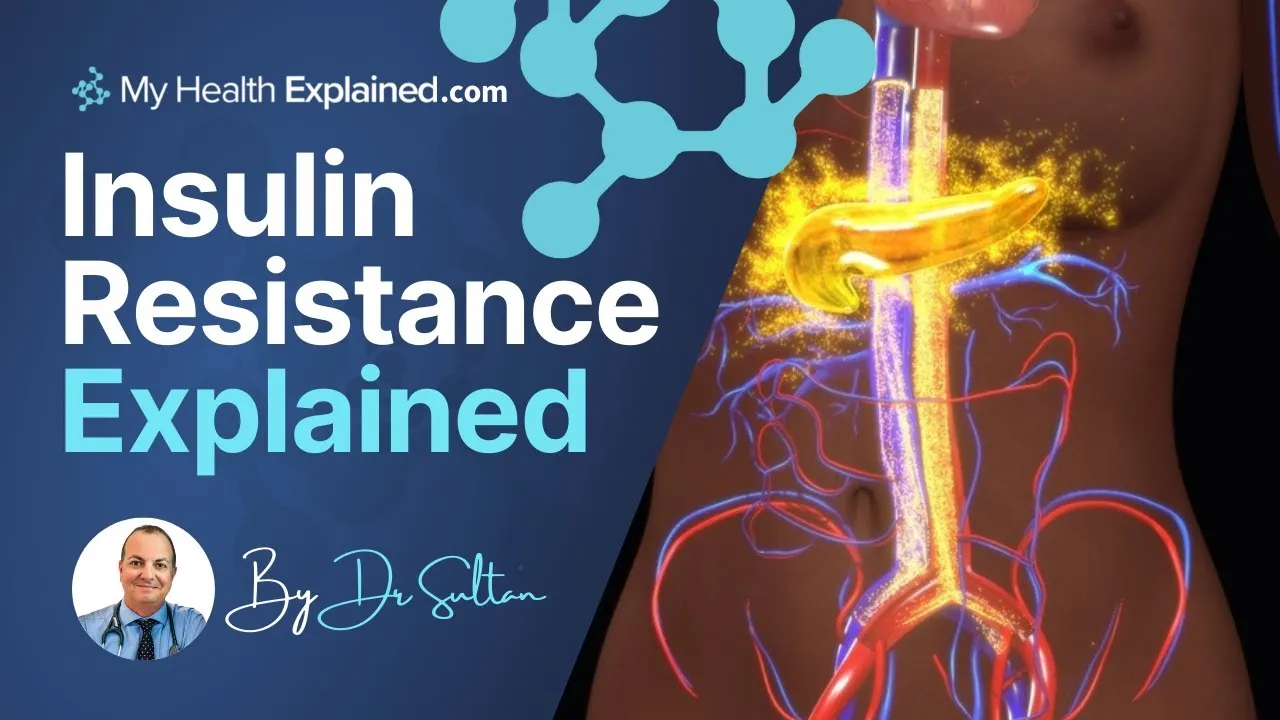
We know that type 2 diabetes is a progressive disease. When we put on weight, our fat cells (the body’s main ‘fuel’ storage facility) reach a point where they become full, and are almost at bursting point. They basically shutdown their ability to store more fat, and become ‘distressed’ and resistant to the hormone insulin. This puts a strain on the pancreas to produce even more insulin, trying to force our fat cells to work. Eventually, the pancreas wears out, and is unable to produce adequate insulin to control blood glucose levels, causing blood glucose levels to rise. Sooner or later, this ultimately leads to a diagnosis of type 2 diabetes.
Because diabetes is a progressive disease it’s important to think about it on a continuum of 30 years or so.
The first 10 years – Pre-diagnosis
You might be in your 40s or 50s and put on a little weight around the tummy. This extra fat starts to fill fat cells. Putting pressure on the pancreas to produce adequate insulin, in order to deal with the increased demands for sugar to be stored as fat. This increase in demand for insulin is known as insulin resistance, or prediabetes. Your GP can test for pre-diabetes by measuring your insulin and blood glucose levels using an oral glucose tolerance test. So if you think you might be at risk, it’s worth asking for.
So how do I change my diabetes fate?
Depending on a person’s genetics, weight, motivation and activity levels, if caught early enough, insulin resistance can be improved, and, the progression of rising blood glucose levels can be slowed.
So, ‘reversing’ is probably not be the best description for most people, ‘slowing the progression’ or a ‘diabetes hiatus’ might be more apt. If we can slow the progression enough, we may actually be able to halt type 2 completely for many years.
How can I slow down diabetes?
Unfortunately, you’ve heard it before…. improving the quality and reduce the quantity of the food we eat is the first step. Ensuring you are active regularly is also important.
If you are overweight, particularly if you carry you weight around your middle, a weight reduction will help to slow the process.
How much weight do I need to lose?
That really depends on you and your body type. Current guidelines recommend a waist circumference less than 80cm (32inches) for females and 90cm (36 inches) for males. However, even small amounts 5- 10% of your body weight can make a big difference!
There are certain medications, particular ways of eating and psychological support that may all help slow, halt or even trickle back diabetes progression. Your doctor and diabetes team can help you to explore all of these options and develop a plan that’s right for you.
Make the change!
No matter which stage of diabetes (or prediabetes) you’re at, small (or maybe big) changes can slow down its progression. Lifestyle changes may reduce the number of medications your doctor prescribes in the long term, and hopefully, allow you to live a long and healthy life.
Want to know more?
If you have already been diagnosed with diabetes and would like to know more about how best to manage the condition, you can join or explore our personalised 12 week diabetes program. The first week is free!
If you want to learn more about diabetes, we have dedicated information pages:
هل تريد أن تضع السكري لديك تحت أفضل سيطرة ممكنة؟
انقر على البرنامج الذي يصف حالتك بشكل أفضل.




مقالات السكري والغذاء — ماذا أحتاج أن أعرف؟
النظام الغذائي وما تأكله يلعبان دورًا مهمًا في إدارة السكري. ويُعدّ الغذاء أيضًا من عوامل الخطر القابلة للتعديل في السكري. وإجراء تغييرات ذكية على طعامك قد يساعد حتى في تقليل خطر حدوث مضاعفات السكري على المدى الطويل.
اتبع الروابط أدناه لمعرفة المزيد عن التغذية في السكري.
حمية السكري: ماذا آكل إذا كنت مصابًا بسكري النوع الثاني؟

اختيار الطعام الصحي مهم في علاج السكري. في مقال “حمية السكري: ماذا آكل إذا كنت مصابًا بسكري النوع الثاني؟” نوضح 7 تغييرات مهمة يمكنك القيام بها في نظامك الغذائي.
كيف تقلل الكربوهيدرات في نظامك الغذائي
يوجد الكثير من النصائح العملية في هذا المقال! نغطي طرقًا ذكية لتقليل كمية الكربوهيدرات في وجباتك دون أن تفقد النكهة.
هل ينبغي أن أتبع نظامًا “منخفض الكربوهيدرات” إذا كنت مصابًا بالسكري؟

يتضمن هذا المقال نقاطًا مفيدة جدًا حول فوائد ومحدوديات تقليل الكربوهيدرات، وكيف تختار مستوىً عمليًا يمكنك الاستمرار عليه.
حمية السكري: لماذا ليست أكثر بساطة؟

العلاقة بين السكري والغذاء ليست دائمًا مباشرة وبسيطة. التغذية تلعب دورًا في تطور السكري، لكن ماذا تقول الأدلة فعلًا؟
“حمية السكري”: متى بدأت وكيف تغيّرت؟

هذا المقال مناسب لمن يحبون لمحة تاريخية! يشرح كيف تغيّر علاج السكري عبر السنين، بدءًا من عام 1500 قبل الميلاد!
الرجيم المتقلب (يويو) — أخطر من مجرد استعادة الوزن!

قد يكون “اليويو” في الرجيم ضارًا لصحتك. وُجدت علاقة بين الرجيم المتقلب وأمراض القلب! ستقرأ في هذا المقال عن دراسة فرامنغهام للقلب.
4 خطوات سهلة للغذاء والرياضة!

هل تبحث عن نصائح سريعة جدًا لإجراء تغييرات بسيطة على الغذاء والنشاط؟ ستجدها هنا — وهي تشمل العائلة كلها!
كيف يستطيع بعض الناس أكل “الوجبات السريعة” دون زيادة وزن؟

تذكّر: النحافة لا تعني بالضرورة الصحة. وقد أكد تقرير حديث أن سوء التغذية من أكبر عوامل المرض المزمن في أستراليا، ويأتي مباشرة بعد التدخين!
لماذا نأكل ونحن لسنا جائعين؟

غالبًا ما يتمكن الأشخاص الذين يلتفتون لإشارات الجوع من التوقف عن الأكل عند الشبع، ولا يأكلون مجددًا حتى يعود الجوع. يُسمى ذلك “الأكل الحدسي”. لكن حتى من يأكلون حدسيًا قد يتجاوزون إشارات الشبع بسبب محفزات معينة.
عندما لا يكون اختيارنا للطعام مجرد “طعام”

هل شعرت يومًا أن تفضيلاتك الغذائية أو أحجام حصصك كانت تقريبًا خارج سيطرتك؟ قد يكون ذلك صحيحًا بدرجة ما. أحيانًا يدفعنا العقل للأكل بدلًا من أن يكون الأكل استجابة للجوع الجسدي أو للحفاظ على الصحة.
كيف تعالج هبوط السكر دون أن تقفز قراءاتك إلى العشرينات!

أفضل طريقة للتعامل مع هبوط السكر هي منعه قبل أن يحدث، لكن الاستعداد له هو الخيار التالي الأفضل. بمجرد أن تنخفض قراءات السكر في الدم تحت 4 mmol/L (72 mg/dL) يجب أن تتصرف فورًا، لأن الهبوط غير المعالج قد يتحول إلى حالة طبية طارئة بسرعة.
Keep learning
- Xultophy 100/3.6 – دواء لسكري النوع الثاني: الفوائد، الآثار الجانبية وكيفية استخدامه
- بدء Metformin: ما الذي تحتاج إلى معرفته فعلاً
- Metformin والإسهال – كيف تعالج آثار المعدة الجانبية
- مثبطات SGLT2 – ما القصة؟
- Rybelsus: ماذا يفعل وكيف أستخدمه؟
- السكري لدى النساء: ما أعراض السكري من النوع الثاني لدى النساء التي ينبغي الانتباه لها؟
تابعنا


