
What tools can help me when I have type 2 diabetes?
مراجعة طبية بواسطة د. سلطان لنجاوي، أخصائي الغدد الصماء والسكري — December 2025

Tools for type 2 diabetes
We have developed some tools that can help you to monitor your progress with managing your type 2 diabetes! These tools can help to monitor your haemoglobin A1c (Hb A1c), your blood glucose levels (BGLs), and body mass index (BMI).
These tools are all used to monitor how someone with diabetes is managing their blood glucose levels and their weight. By maintaining blood glucose levels and weight in a healthy range, can reduce the risk of complications.
Type 2 Diabetes Content |
|---|
| Type 2 Program |
| Overview |
| Risk Factors |
| Symptoms |
| Diagnosis |
| Complications |
| Treatment |
| Diet |
| Monitoring |
| Tools |
| Mental Health |
| Prevention |
Let's begin with discussing what type 2 diabetes is and what the most common symptom is.
What is type 2 diabetes?
Type 2 diabetes is rapidly becoming of the most common long-term disease in the world. Type 2 diabetes is an elevation in blood sugars that occurs when a sugar called glucose, can’t get into your fat and muscles where it is needed.
The problem causing an elevation in the blood glucose levels, occurs when there is a change in the shape of the insulin receptor. In the normal situation, the body produces a small chemical called insulin (key) whose purpose is to bind to a receptor (lock) on the surface of fat and muscle cells, opening a channel to allow glucose to enter those cells. In type 2 diabetes the shape of this receptor changes mostly as a consequence of weight gain around the stomach. Elevated blood glucose damages the lining of blood vessels leading to a range of complications in various organs of the body.
What are the symptoms of type 2 diabetes?
The most common symptoms of type 2 diabetes mellitus is nothing at all. That’s part of the problem, the person feels ok, but the damage is already occurring. Many people experience tiredness and fatigue and that is really noticed when you start to get sugars under more control. When the blood sugar levels are grossly elevated then people may notice excessive thirst and trips to the toilet to pass urine. This occurs as high blood sugars pass into the urine and with the sugar, goes water.
The general symptoms of type 2 diabetes include:
- Fatigue and irritability
- Excessive thirst, frequent urination, and dehydration
- Ongoing hunger
- Yeast and bacterial infections
- Dry and itchy skin
- Cuts and wounds that don’t heal quickly
- Pain and numbness in your feet or legs
- Blurred vision
- Changes in weight
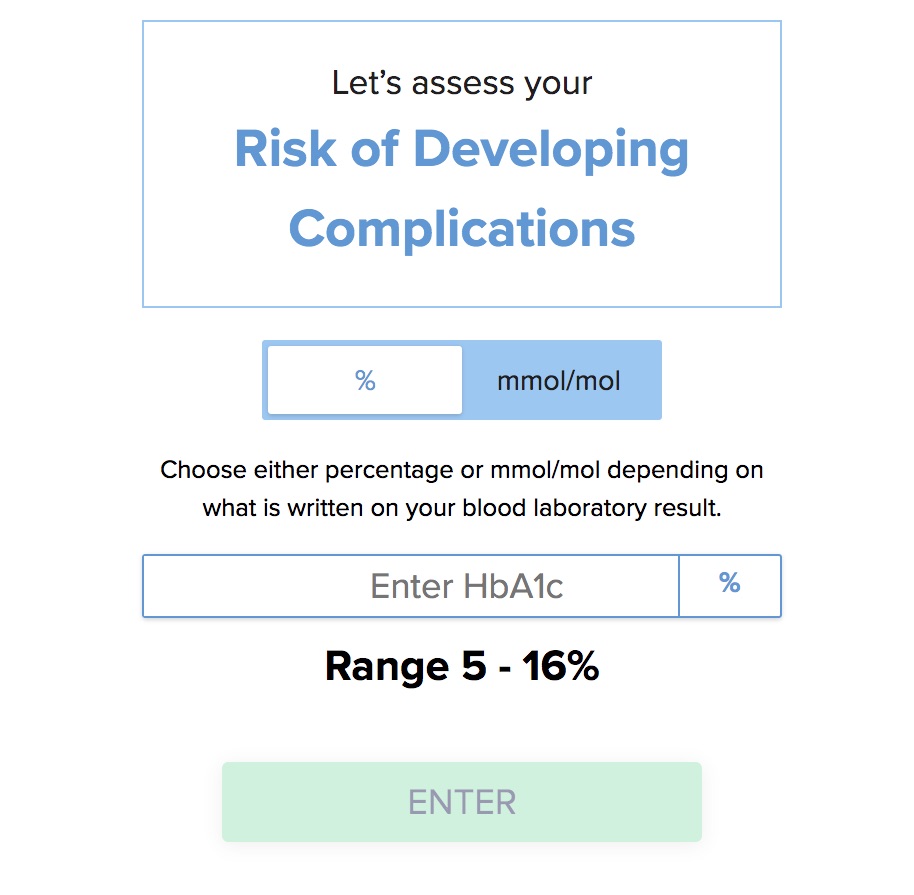
حاسبة الهيموغلوبين السكري (HbA1c)
اختبار HbA1c هو فحص دم يوفر وسيلة لمتابعة مستويات الجلوكوز في الدم لدى الشخص المصاب بالسكري خلال الأشهر الثلاثة السابقة. ويقوم بذلك من خلال إعطاء متوسط لمستويات سكر الدم لديك.
يمكن استخدام HbA1c لحساب متوسط مستوى الجلوكوز التقديري (eAG) باستخدام نموذج رياضي معقد. يُعد متوسط الجلوكوز التقديري (eAG) طريقة لعرض نتائج HbA1c (المعروضة كنسبة مئوية) باستخدام نفس الوحدات (mg/L أو mmol/L) التي يكون المرضى أكثر اعتيادًا عليها عند مراقبة سكر الدم.
لمزيد من المعلومات حول HbA1c، شاهد الفيديو مع الدكتور سلطان على صفحة أداة الهيموغلوبين A1c.
لدينا أيضًا المزيد من المعلومات حول فحص HbA1c. يمكنك الاطلاع على المقالات التالية:
حاسبة سكر الدم أثناء الصيام
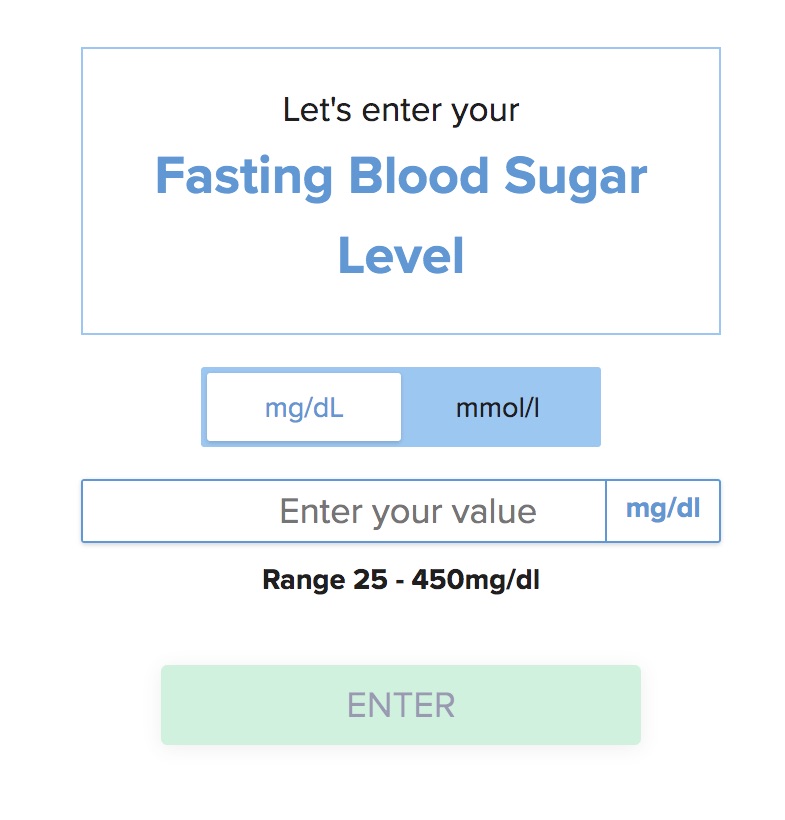
يُعد مستوى الجلوكوز أثناء الصيام (Fasting Glucose) قياسًا مهمًا لتحديد ما إذا كان الشخص مصابًا بالسكري أو بمرحلة ما قبل السكري (ويُسمى أيضًا السكري الحدّي).
كما يوفر مستوى الجلوكوز أثناء الصيام معلومات حول مدى نجاح الشخص المصاب بالسكري في إدارة حالته، ويساعد أيضًا في تحديد أنسب العلاجات للسكري.
يمكنك استخدام هذه الأداة لمساعدتك على فهم أفضل لكيفية تغيّر مستويات سكر الدم لديك.
لمزيد من المعلومات حول سكر الدم أثناء الصيام، شاهد الفيديو مع الدكتور سلطان على صفحة أداة سكر الدم أثناء الصيام.
جرّب الأداة أدناه!
حاسبة مؤشر كتلة الجسم (BMI)
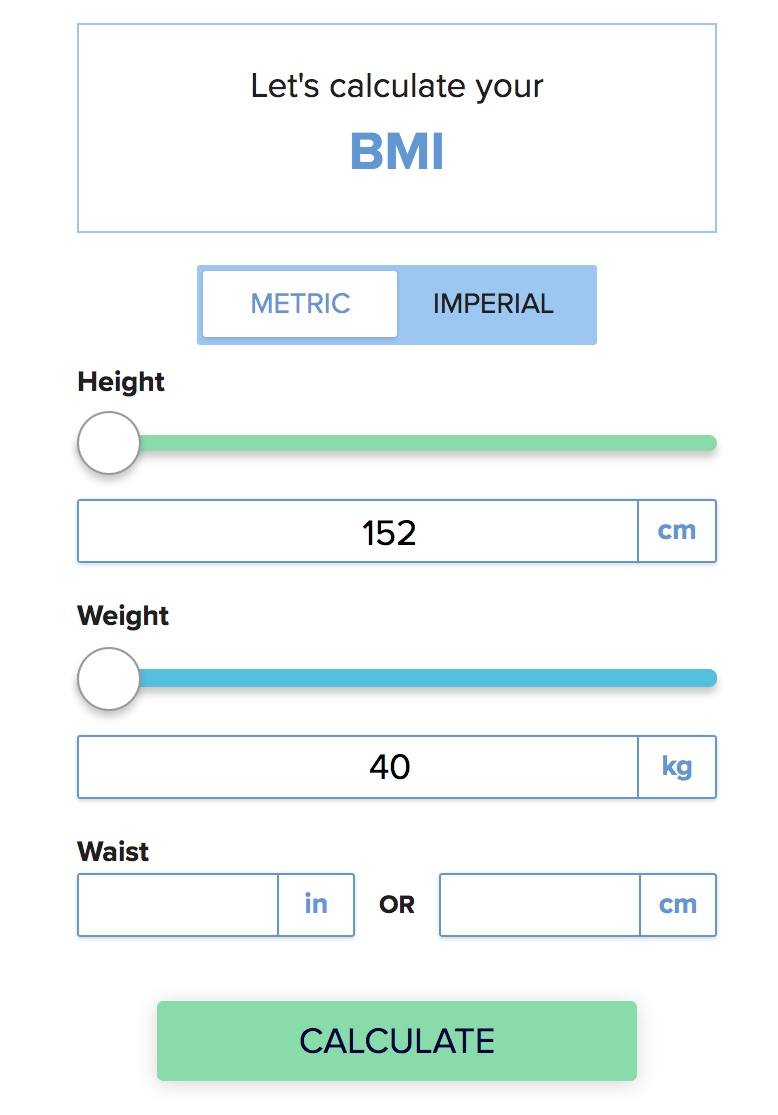
مؤشر كتلة الجسم (BMI) هو معادلة بسيطة لمقارنة وزن الشخص بطوله. لا يأخذ هذا المؤشر بعين الاعتبار اختلاف شكل الجسم أو كمية العضلات مقارنة بالأنسجة الدهنية.
يرتبط مؤشر كتلة الجسم بخطر الإصابة بأمراض القلب، والعديد من أنواع السرطان، وحتى خطر الوفاة. لذلك يستخدمه الأطباء ومختصو الرعاية الصحية لتحديد “الوزن المثالي” لمساعدة الأشخاص في رحلتهم الصحية.
لمزيد من المعلومات حول مؤشر كتلة الجسم، شاهد الفيديو مع الدكتور سلطان على صفحة أداة مؤشر كتلة الجسم.
Can I prevent type 2 diabetes?
You may have just found out that you are at risk of developing diabetes. This may be more difficult than you anticipated. However, if you don’t have diabetes yet, this is actually really good news. It means that you can make changes now to prevent or delay developing type 2 diabetes. Making some simple changes now, can have a huge impact on your health for the years ahead.
So, yes! You can prevent type 2 diabetes. Phew!
What can I do to prevent type 2 diabetes?
There are changes you can make to improve your health and reduce your risk of developing diabetes. These include:
- Eating well
- Moving your body more
- Being a healthy weight
- Setting realistic goals
- Getting support
- Make changes part of your everyday
There is also some evidence that suggests quitting smoking can help to reduce your risk of developing diabetes. While there still needs to be more research done in this by scientists, there are plenty of other great reasons to quit smoking. For example, quitting smoking can help to lower your risk of having a stroke or heart attack.
Making these changes can also help to reduce your risk of developing diabetes comorbidities; hypertension and dyslipidemia.

Can type 2 diabetes be reversed?
Ahh. The million-dollar question. The honest answer is yes, type 2 diabetes mellitus can be reversed for some, but that is not true for everybody.
The sooner you start to treat and manage diabetes well, the greater pancreatic function remains, the better your chances. Whether it is reversible or not does not change that fact improving your diet and exercise and using the right medication all lead to dramatic improvements. Fundamentally it is not diabetes that damages the body but high blood sugars. Most people manage their diabetes with the help a medical team and use medication. An outline to help understand more about how diabetes is treated? is very helpful.
ماذا ينبغي أن أفعل بعد ذلك؟
إذا كنت تعاني من أي أعراض للسكري من النوع الثاني أو لديك عوامل خطر للسكري من النوع الثاني، فمن المهم إجراء الفحوصات في أقرب وقت ممكن. بعض الأشخاص يكونون أكثر عرضة للخطر ويحتاجون إلى فحوصات منتظمة. إذا كان عمرك 45 عامًا أو أكثر، أو لديك عوامل خطر أخرى للسكري، فستحتاج إلى فحوصات أكثر تكرارًا. إن تشخيص السكري من النوع الثاني وعلاجه مبكرًا يعني أنك تستطيع تقليل خطر تطور المضاعفات أو تأخير مضاعفات السكري من النوع الثاني مثل تلف الأعصاب، والعمى، وأمراض القلب. ومن المهم أن تعرف أن تشخيص السكري من النوع الثاني لا ينبغي أن يعتمد فقط على استخدام اختبار Hb A1c.
بعد أن تعرف حالة السكري من النوع الثاني لديك، أو إذا كنت بالفعل مصابًا بالسكري من النوع الثاني، فإن الخطوة التالية الأهم هي التثقيف والتعلّم. يمكنك الانضمام إلى برنامج السكري من النوع الثاني لمدة 12 أسبوعًا (12-week Type 2 Diabetes Program) لمساعدتك على تعلم كيفية الوقاية من السكري من النوع الثاني أو تأخيره. البرنامج مُخصّص ومُفصّل حسب احتياجاتك، ويقدّم لك المزيد من المحتوى الذي تريده أنت. كما يساعدك البرنامج على الحفاظ على الدافعية ويعلّمك التغييرات التي تحتاج إلى القيام بها. الأسبوع الأول مجاني ومليء بمعلومات مفيدة وأساسية.
إذا كنت ترغب في الانضمام إلى برنامج داعم، مع محتوى فيديو سهل الفهم يغطي جميع جوانب السكري، فانضم إلى برنامج السكري من النوع الثاني المُخصّص لمدة 12 أسبوعًا (personalised 12-week Type 2 Diabetes Program) اليوم! ولا تنسَ: عند التسجيل ستحصل على الأسبوع الأول مجانًا!
Interested in more information on type 2 diabetes?
Follow the links below to learn more about type 2 diabetes.