


ما عوامل خطر السكري من النوع الثاني؟ وهل يمكنني تغيير أيٍ منها؟
مراجعة طبية بواسطة د. سلطان لنجاوي، أخصائي الغدد الصماء والسكري — January 2026

هل تريد الوصول بسكّرك إلى أفضل مستوى من التحكم؟
اختر البرنامج الذي يصف حالتك بأفضل شكل.




What is Type 2 Diabetes?
Type 2 diabetes is an elevation in blood sugars that occurs when a sugar called glucose can’t get into your muscles where it is needed. Elevated blood glucose damages the lining of blood vessels leading to a range of complications in various organs of the body.
Type 2 diabetes is rapidly becoming of the most common long-term disease in the world. The problem causing an elevation in the blood glucose levels occurs when there is a change in the shape of the insulin receptor. In the normal situation, the body produces a small chemical called insulin (key) whose purpose is to bind to a receptor (lock) on the surface of fat and muscle cells, opening a channel to allow glucose to enter those cells. In type 2 diabetes the shape of this receptor changes mostly as a consequence of weight gain around the stomach.
Type 2 Diabetes Content |
|---|
| Type 2 Program |
| Overview |
| Risk Factors |
| Symptoms |
| Diagnosis |
| Complications |
| Treatment |
| Diet |
| Monitoring |
| Tools |
| Mental Health |
| Prevention |

How common is type 2 diabetes?
The number of people diagnosed with diabetes is increasing. The 8th edition of the International Diabetes Federation’s (IDF) Diabetes Atlas released in 2019, estimated that:
- One in 11 people have diabetes (425 million)
- One in two adults with diabetes are undiagnosed (212 million)
- 12% of global health expenditure is spent on diabetes (USD$727 billion)
- Every 6 seconds a person dies from diabetes
IDF also estimated that by 2040:
- One in 10 adults will have diabetes
- Diabetes-related health expenditure will exceed USD$802billion
Type 2 diabetes mellitus is a very serious condition
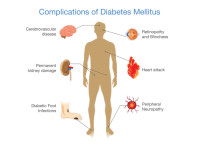
People with diabetes who have ongoing high blood glucose levels, are at an increased risk of having poor health outcomes compared to people who do not have diabetes. Some statistics that relate to people with diabetes include:
- People with diabetes are up to four time more likely to suffer heart attacks or strokes
- Diabetes is the leading cause of vision-loss globally and is the fifth most common cause of preventable blindness and fifth more common cause of moderate to severe visual impairment
- Kidney failure is three times more common in people with diabetes
- Amputations are 15 times more common in people with diabetes
- More than 30 percent of people with diabetes experience depression, anxiety, and distress
- Early diagnosis, optimal treatment, and effective ongoing support and management reduce risk of diabetes-related complications dramatically.
Who is at risk of developing type 2 diabetes?
Risk factors can be divided into non-modifiable risk factors and modifiable risk factors. Non-modifiable risk factors are those that can’t be changed by you, for example your genetics. Modifiable risk factors can be changed, for example making changes to the amount you exercise.
You are more likely to get type 2 diabetes if you are carrying weight around your belly. It is much more common in people from certain ethnic backgrounds like Indian, Middle Eastern, south-east Asian and indigenous populations. In these groups rates of diabetes can approach 30% of the adult population. In Caucasian populations, the rates are more typically 10% of the adult population.
Non-modifiable risk factors in type 2 diabetes?
Diabetes is much more common in people from certain ethnic backgrounds like Indian, Middle Eastern, south-east Asian and indigenous populations. In these groups rates of diabetes can approach 30% of the adult population. In Caucasian populations, the rates are more typically 10% of the adult population.
The non-modifiable risk factors which increase your chance of developing prediabetes include:
- Have a family history of diabetes
- Being older (over 55 years of age) – the risk increases as we age
- Ethnic background, including Aboriginal and Torres Strait Islanders, Pacific Islanders, Asian and South East Asian, African Americans, Native Hawaiians, and Hispanics/ Latinos
Being aware of the non-modifiable risk factors is extremely important. For people who have a family history of type 2 diabetes, you need to be more alert and start taking action early to prevent or delay developing type 2 diabetes.
Modifiable risk factors in type 2 diabetes
The modifiable risk factors which increase your chance of developing prediabetes include:
- Being overweight or obese, particularly extra weight around the waist
- Being physically inactive
- Eating a poor diet (one that is high in fat, salt, and sugar)
- High blood pressure
Are there other risk factors?
There are some risk factors that cross over between modifiable and non-modifiable risk factors. Some of these include:
- Having signs associated with diabetes like skin tags and dark colouration around the neck and arm pits called acanthosis nigricans
- Over 45 years of age and being overweight
Can I prevent type 2 diabetes?
You may have just found out that you are at risk of developing diabetes. This may be more difficult than you anticipated. However, if you don’t have diabetes yet, this is actually really good news. It means that you can make changes now to prevent or delay developing type 2 diabetes. Making some simple changes now, can have a huge impact on your health for the years ahead.
So, yes! You can prevent type 2 diabetes. Phew!
What can I do to prevent type 2 diabetes?
There are changes you can make to improve your health and reduce your risk of developing diabetes. These include:
- Eating well
- Moving your body more
- Being a healthy weight
- Setting realistic goals
- Getting support
- Make changes part of your everyday
Join the our online 12-week personalised program to learn how to easily incorporate these changes into your everyday routine.
There is also some evidence that suggests quitting smoking can help to reduce your risk of developing diabetes. While there still needs to be more research done in this by scientists, there are plenty of other great reasons to quit smoking. For example, quitting smoking can help to lower your risk of having a stroke or heart attack.
Making these changes can also help to reduce your risk of developing diabetes comorbidities; hypertension and dyslipidemia.

What are the symptoms of type 2 diabetes?
You may have learned that you have some of the risk factors for type 2 diabetes. It is important to look out for any symptoms of diabetes and to see a doctor ASAP if you notice anything wrong.
The most common symptom of diabetes is feeling nothing at all. Yes, nothing. That’s part of the problem. A person with undiagnosed prediabetes feels ok but the damage is already occurring. Many people experience tiredness and fatigue, and that is really noticed when you start to get sugars under control.
In type 2 diabetes, the general symptoms include:
- Fatigue and irritability
- Excessive thirst, frequent urination, and dehydration
- Ongoing hunger
- Yeast and bacterial infections
- Dry and itchy skin
- Cuts and wounds that don’t heal quickly
- Pain and numbness in your feet or legs
- Blurred vision
- Changes in weight
Some symptoms of diabetes can vary between men and women. Symptoms of type 2 diabetes mellitus in men are often related to sexual health and function. The symptoms of type 2 diabetes in women also often relate to sexual health and function.
ماذا ينبغي أن أفعل بعد ذلك؟
إذا كنت تعاني من أي أعراض للسكري من النوع الثاني أو لديك عوامل خطر للسكري من النوع الثاني، فمن المهم إجراء الفحوصات في أقرب وقت ممكن. بعض الأشخاص يكونون أكثر عرضة للخطر ويحتاجون إلى فحوصات منتظمة. إذا كان عمرك 45 عامًا أو أكثر، أو لديك عوامل خطر أخرى للسكري، فستحتاج إلى فحوصات أكثر تكرارًا. إن تشخيص السكري من النوع الثاني وعلاجه مبكرًا يعني أنك تستطيع تقليل خطر تطور المضاعفات أو تأخير مضاعفات السكري من النوع الثاني مثل تلف الأعصاب، والعمى، وأمراض القلب. ومن المهم أن تعرف أن تشخيص السكري من النوع الثاني لا ينبغي أن يعتمد فقط على استخدام اختبار Hb A1c.
بعد أن تعرف حالة السكري من النوع الثاني لديك، أو إذا كنت بالفعل مصابًا بالسكري من النوع الثاني، فإن الخطوة التالية الأهم هي التثقيف والتعلّم. يمكنك الانضمام إلى برنامج السكري من النوع الثاني لمدة 12 أسبوعًا (12-week Type 2 Diabetes Program) لمساعدتك على تعلم كيفية الوقاية من السكري من النوع الثاني أو تأخيره. البرنامج مُخصّص ومُفصّل حسب احتياجاتك، ويقدّم لك المزيد من المحتوى الذي تريده أنت. كما يساعدك البرنامج على الحفاظ على الدافعية ويعلّمك التغييرات التي تحتاج إلى القيام بها. الأسبوع الأول مجاني ومليء بمعلومات مفيدة وأساسية.
إذا كنت ترغب في الانضمام إلى برنامج داعم، مع محتوى فيديو سهل الفهم يغطي جميع جوانب السكري، فانضم إلى برنامج السكري من النوع الثاني المُخصّص لمدة 12 أسبوعًا (personalised 12-week Type 2 Diabetes Program) اليوم! ولا تنسَ: عند التسجيل ستحصل على الأسبوع الأول مجانًا!
Interested in more information on type 2 diabetes?
Follow the links below to learn more about type 2 diabetes.


الأسئلة الشائعة
What is type 2 diabetes?
Type 2 diabetes is a long-term condition where the body becomes resistant to insulin and gradually produces less of it. This leads to rising blood glucose levels over time. Normally, insulin helps glucose move from the bloodstream into muscle and fat cells.
How common is type 2 diabetes?
Type 2 diabetes is extremely common globally and continues to rise. Many people remain undiagnosed for years because the condition develops slowly and symptoms can be subtle.
Is type 2 diabetes a serious condition?
Yes. Long-term high glucose levels increase the risk of heart attack, stroke, vision loss, kidney disease, nerve damage, foot ulcers, amputations, and mental health issues such as anxiety and diabetes distress. Early diagnosis and effective treatment greatly reduce these risks.
Who is at risk of developing type 2 diabetes?
Risk increases if you have central weight gain, a family history of diabetes, high blood pressure, abnormal cholesterol, a sedentary lifestyle, or an unhealthy diet. Risk also rises with age and in certain ethnic backgrounds.
What are the non-modifiable risk factors for type 2 diabetes?
Non-modifiable risks include family history of diabetes, older age, and belonging to higher-risk ethnic groups such as South or Southeast Asian, Middle Eastern, Pacific Islander, Indigenous, African, or Hispanic/Latino populations.
What are the modifiable risk factors for type 2 diabetes?
Modifiable risks include being overweight—especially around the abdomen—physical inactivity, diets high in refined carbohydrates and saturated fats, high blood pressure, and abnormal blood lipids. Improving these factors can significantly reduce risk.
Can I prevent type 2 diabetes?
Yes. Many people can prevent or delay type 2 diabetes through sustained weight loss, an active lifestyle, improved diet quality, and managing blood pressure and cholesterol. Early screening and support are especially important for people with multiple risks.
What are common symptoms of type 2 diabetes?
Many people have no symptoms for years. When present, symptoms may include thirst, frequent urination, fatigue, blurred vision, recurrent infections, slow-healing cuts, tingling or numbness in the feet, and unintentional weight change.


